




The Japanese practice of shinrin-yoku, or forest bathing, has quietly transformed from an obscure wellness ritual into America’s fastest-growing mindfulness trend. What began as a government-backed public health initiative in 1980s Japan now fills weekend retreats across California, Vermont, and Colorado, drawing everyone from burned-out tech executives to wellness influencers seeking their next Instagram moment.
Forest bathing isn’t hiking or nature photography. It’s the deliberate practice of slowly moving through forests while engaging all five senses, typically guided by certified instructors who lead participants through breathing exercises and sensory awareness activities. The practice emerged in Japan as a response to rising stress-related illnesses in urban populations, with the Japanese government formally promoting it as a form of natural therapy.
American wellness culture discovered forest bathing around 2016, but the pandemic accelerated its mainstream adoption. As people sought outdoor activities that promised mental health benefits without gym memberships or crowded studios, forest bathing sessions began appearing at luxury resorts, corporate retreats, and even suburban parks. The trend reflects a broader shift toward experience-based wellness, similar to how silent spaces are reshaping work environments for stressed professionals.

From Scientific Study to Wellness Industry Gold Rush
Research from Japan’s National Institute of Public Health documented measurable physiological changes from forest bathing, including reduced cortisol levels and lower blood pressure. Studies found that spending time among trees increased natural killer cell activity in the immune system, effects that lasted for weeks after a single forest session. These findings gave the practice scientific credibility that attracted American wellness entrepreneurs.
Dr. Qing Li, a Japanese medical researcher who wrote the influential book “Forest Bathing: How Trees Can Help You Find Health and Happiness,” became a frequent speaker at American wellness conferences. His research on phytoncides – airborne chemicals emitted by plants – provided the biological explanation wellness seekers craved. Trees release these compounds as natural antibiotics, and humans breathing them reportedly experience stress reduction and immune system boosts.
The Association of Nature and Forest Therapy, founded in California in 2012, now certifies hundreds of guides across North America. Their eight-month training program costs around $3,000 and includes modules on mindfulness, natural history, and group facilitation. Certified guides can charge $75-150 for group sessions and up to $300 for private forest bathing experiences.
Corporate wellness programs quickly embraced forest bathing as a team-building alternative to traditional retreats. Google, Microsoft, and other tech companies began offering forest bathing sessions to employees as part of mental health initiatives. The practice aligned with growing awareness of nature deficit disorder and biophilia – the human tendency to seek connection with nature.
American Adaptation and Commercialization
American forest bathing differs significantly from its Japanese origins. Traditional shinrin-yoku involves solitary contemplation and can last several hours or even days. American versions typically run 90 minutes to accommodate busy schedules, with guided activities and group sharing circles that emphasize community over solitude.
Luxury resorts capitalized on the trend by offering forest bathing packages. Canyon Ranch in Arizona charges $165 for a two-hour forest bathing experience, while Vermont’s Trapp Family Lodge includes it in $400-per-night wellness packages. These commercial versions often combine forest bathing with other wellness practices like yoga, meditation, or aromatherapy.

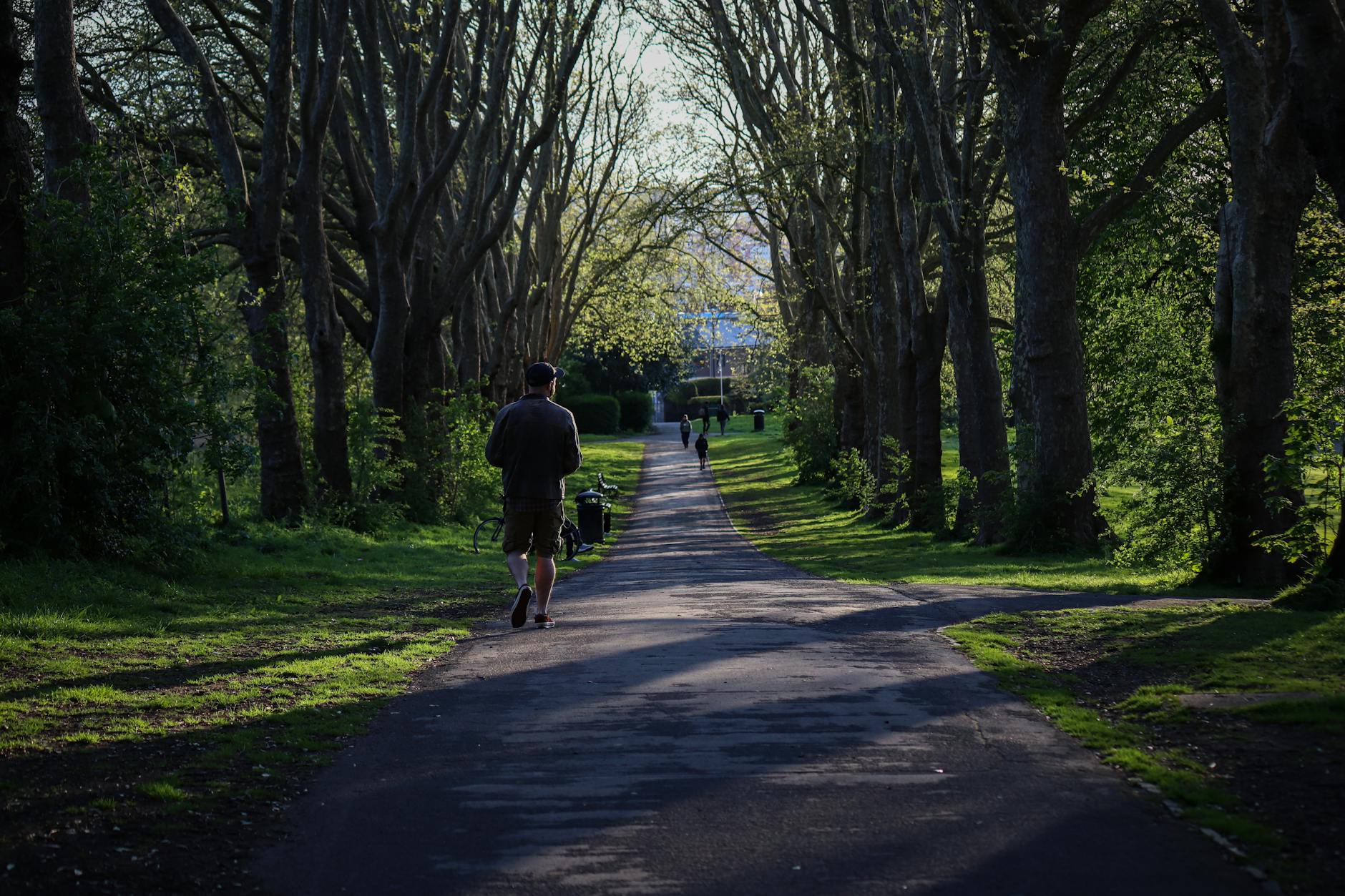
The practice spread beyond forests to urban parks and botanical gardens. Central Park in New York City hosts monthly forest bathing sessions, while the Morton Arboretum near Chicago offers year-round programs. Urban adaptations focus on finding moments of natural connection in city environments, teaching participants to notice tree textures, bird sounds, and seasonal changes they might otherwise ignore.
Social media amplified forest bathing’s popularity, though purists argue this contradicts the practice’s emphasis on presence and mindfulness. Instagram posts tagged #forestbathing show participants in photogenic forest settings, often wearing expensive outdoor gear and wellness brands. This visibility helped normalize the practice but also commercialized an experience originally designed to disconnect from modern distractions.
Scientific Skepticism Meets Wellness Marketing
While Japanese research supports forest bathing’s benefits, American studies remain limited. Some researchers question whether the effects attributed to phytoncides might simply result from spending time outdoors, exercising, and temporarily disconnecting from digital devices. The placebo effect could explain some reported improvements in mood and stress levels.
Critics also point to the practice’s accessibility issues. Most certified forest bathing guides operate in affluent areas with easy access to forests, making the practice less available to urban communities that might benefit most from nature connection. The $50-150 session fees exclude many potential participants, despite nature being freely available.
Environmental justice advocates note the irony of paying for forest access while many communities lack green spaces entirely. Some organizations address this by offering free forest bathing programs in urban parks and partnering with community health centers, but these remain exceptions rather than the norm.
The wellness industry’s tendency to oversell benefits also affects forest bathing. Marketing materials often promise dramatic health transformations from single sessions, though Japanese research focused on regular, long-term practice. This disconnect between traditional understanding and American wellness marketing creates unrealistic expectations.
Cultural Translation and Future Evolution
Forest bathing’s American adaptation reflects broader patterns in how wellness trends cross cultural boundaries. Like yoga and meditation before it, the practice has been simplified, shortened, and commercialized to fit American lifestyles and business models.
The trend shows signs of mainstreaming beyond wellness circles. National parks are training rangers in forest bathing techniques, while healthcare systems explore forest therapy for anxiety and depression treatment. Some insurance companies reportedly consider covering forest bathing sessions as preventive care, though this remains experimental.
Climate change adds urgency to practices that connect people with nature. As extreme weather events increase and biodiversity declines, forest bathing proponents argue that direct nature experience becomes more important, not less. The practice could help build emotional connections to ecosystems that people will need to protect.
The next phase of forest bathing in America likely involves integration with existing healthcare and education systems rather than pure commercial expansion. Medical schools are beginning to teach nature-based interventions, while some public schools incorporate forest bathing principles into outdoor education programs.
Forest bathing’s evolution from Japanese health policy to American wellness trend illustrates how cultural practices adapt to new environments. While critics debate commercialization and accessibility, millions of Americans are discovering what Japanese researchers documented decades ago – that mindful time in forests offers measurable benefits for modern stress and disconnection. Whether this awareness translates into lasting behavior change or remains a temporary wellness fad will depend on how successfully the practice maintains its core principles while adapting to American culture and needs.
Frequently Asked Questions
What is forest bathing exactly?
Forest bathing is the practice of mindfully spending time in forests using all five senses, typically guided by certified instructors through breathing exercises and awareness activities.
How much do forest bathing sessions cost?
Group sessions typically cost $50-150, while private experiences can reach $300, though some urban parks offer free programs.