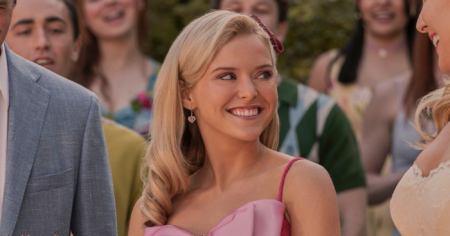





Cousins who haven’t spoken in decades are now texting daily. Grandparents are flying cross-country to meet relatives they discovered through DNA matches. Family reunions that once gathered 20 people now host hundreds, with genealogy apps serving as the unlikely matchmaker bringing scattered bloodlines back together.
The digital genealogy revolution has fundamentally altered how families reconnect, transforming traditional reunions from predictable gatherings of known relatives into sprawling celebrations that can include surprise DNA matches, long-lost branches, and relatives from different continents. AncestryDNA, 23andMe, MyHeritage, and FamilyTreeDNA have collectively tested over 40 million people, creating an unprecedented database of genetic connections that’s reshaping the very definition of family gatherings.
What began as individual curiosity about ethnic heritage has evolved into a cultural phenomenon that’s rewriting reunion guest lists. Families report discovering hundreds of new relatives through these platforms, with some reunions expanding from intimate backyard barbecues to hotel ballroom events that require professional event planning.

From Small Circles to Extended Networks
Traditional family reunions typically centered around known relatives within two or three generations. Genealogy apps have shattered these limitations, revealing connections that span centuries and continents. The Johnson family reunion in Ohio, which historically drew 30 attendees, welcomed over 200 people in 2023 after DNA testing revealed branches in Ireland, Nigeria, and the Caribbean that family members never knew existed.
DNA matching has introduced an element of surprise that’s become central to modern reunion culture. Families now plan “reveal ceremonies” where newly discovered relatives are introduced to the group, complete with genetic relationship explanations and family tree presentations. These moments have become as anticipated as traditional reunion activities like group photos and shared meals.
The apps have also solved decades-old family mysteries. Adoption stories, unknown parentage, and immigrant family histories that were once permanent question marks now get resolved through genetic matching and collaborative family tree building. These revelations often become the centerpiece of reunion storytelling, replacing generic catch-up conversations with deeply personal narratives about identity and belonging.
Professional genealogists report that families increasingly hire their services not just for individual research, but to help plan and facilitate these expanded reunions. The complexity of coordinating gatherings that might include people who share great-great-grandparents but have never met requires specialized planning skills that traditional family organizers often lack.
Technology as the New Family Historian
Genealogy apps have democratized family history research, removing barriers that once required expensive professional services or extensive library research. Family members who previously relied on elderly relatives as the sole keepers of family stories now have access to detailed family trees, historical records, and genetic data that extends far beyond living memory.
The collaborative features of these platforms have created new family dynamics. Relatives across different branches contribute photos, documents, and stories to shared family trees, fostering ongoing connections between reunions. WhatsApp groups and Facebook pages dedicated to specific family lines have become year-round reunion planning tools, maintaining relationships that used to only surface at annual gatherings.
DNA ethnicity estimates have also added new layers to reunion culture. Families plan themed reunions celebrating newly discovered heritage, complete with traditional foods, music, and cultural education. A family that discovers significant Scandinavian ancestry through DNA testing might plan a Nordic-themed reunion, incorporating traditional recipes and cultural activities that previous generations never knew to include.
The apps have created new reunion traditions around genetic discovery. “DNA reveal parties” where family members share their ethnic breakdowns have become popular activities, often leading to discussions about family migration patterns and historical events that shaped their genetic makeup. These conversations add educational components to reunions that extend beyond simple socializing.

Challenges and Unexpected Discoveries
The genealogy app revolution hasn’t been without complications for reunion culture. Family secrets that were buried for decades now surface through DNA matching, creating delicate situations that reunion organizers must navigate carefully. Non-paternity events, unknown siblings, and family scandals that previous generations chose to hide now become unavoidable reunion topics.
Some families have split over DNA revelations, with traditional reunion organizers struggling to incorporate new relatives who challenge established family narratives. The apps have revealed that many family origin stories passed down through generations contain inaccuracies, leading to identity crises and heated debates about “real” family history versus genetic reality.
Privacy concerns have also emerged as families grapple with how much genetic information to share at reunions. Not all family members participate in DNA testing, creating situations where some relatives have extensive genetic information while others prefer to maintain traditional privacy boundaries. Reunion organizers now must balance transparency with discretion, deciding how to present DNA findings without making non-participants feel excluded.
The cost implications of expanded reunions have strained some family budgets. What once required renting a community center pavilion now demands hotel conference rooms, professional catering, and sometimes international travel coordination. Families have had to develop new funding strategies and contribution systems to manage the logistics of gatherings that can include hundreds of newly discovered relatives.
The apps have also revealed uncomfortable truths about family history, including connections to historical events that some family members would prefer to avoid discussing. Colonial ancestry, connections to slavery, and immigration circumstances that previous generations kept private now become part of reunion conversations, requiring sensitive facilitation skills that many traditional family gatherers lack.
The Future of Family Connections
Genealogy apps continue evolving, with new features that will further transform reunion culture. Advanced DNA matching algorithms are becoming more precise, promising to reveal even more distant relatives and more detailed ethnic breakdowns. Integration with historical records and immigration databases will likely provide even more context for family stories, creating richer reunion experiences.
Virtual reality technology is beginning to integrate with genealogy platforms, potentially allowing families to virtually visit ancestral locations or experience historical events that shaped their family history. These technological advances suggest that future family reunions might include immersive historical experiences alongside traditional socializing.
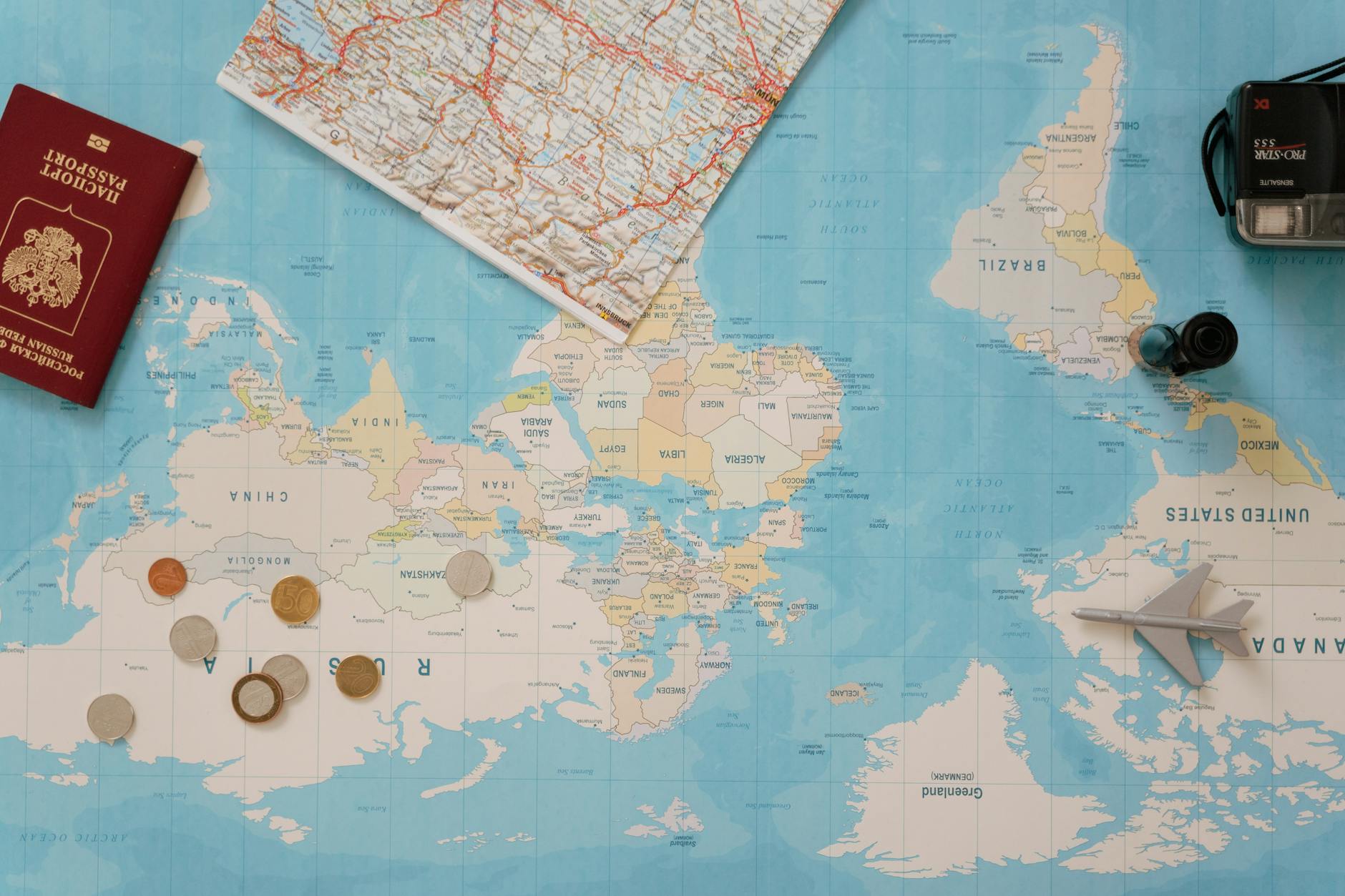
The global reach of these platforms means family reunions are becoming increasingly international affairs. Families are planning reunion tours that visit multiple countries, following migration patterns revealed through genetic and genealogical research. This trend mirrors the broader cultural shift toward experiential gatherings that we see in other social contexts, similar to how post-pandemic social life has evolved toward more meaningful, community-focused experiences.
As genealogy technology becomes more sophisticated and affordable, family reunion culture will likely continue expanding beyond traditional boundaries. The apps have already fundamentally altered how families define themselves and gather together, creating reunion experiences that are more diverse, educational, and globally connected than previous generations could have imagined. The future promises even more dramatic revelations as genetic databases grow and matching technology improves, ensuring that family reunions will remain one of the most surprising and evolving aspects of American social culture.
The genealogy app revolution has transformed family reunions from predictable gatherings into dynamic, discovery-driven celebrations that can reshape understanding of identity and belonging. As these platforms continue advancing, family reunion culture will likely become even more complex, international, and revelatory, forever changing how Americans connect with their heritage and each other.
Frequently Asked Questions
How have genealogy apps changed family reunion planning?
They’ve expanded guest lists from known relatives to hundreds of DNA matches, requiring professional planning and larger venues.
What challenges do DNA discoveries create for family reunions?
They can reveal family secrets, create privacy concerns, and strain budgets due to larger gatherings with international relatives.