




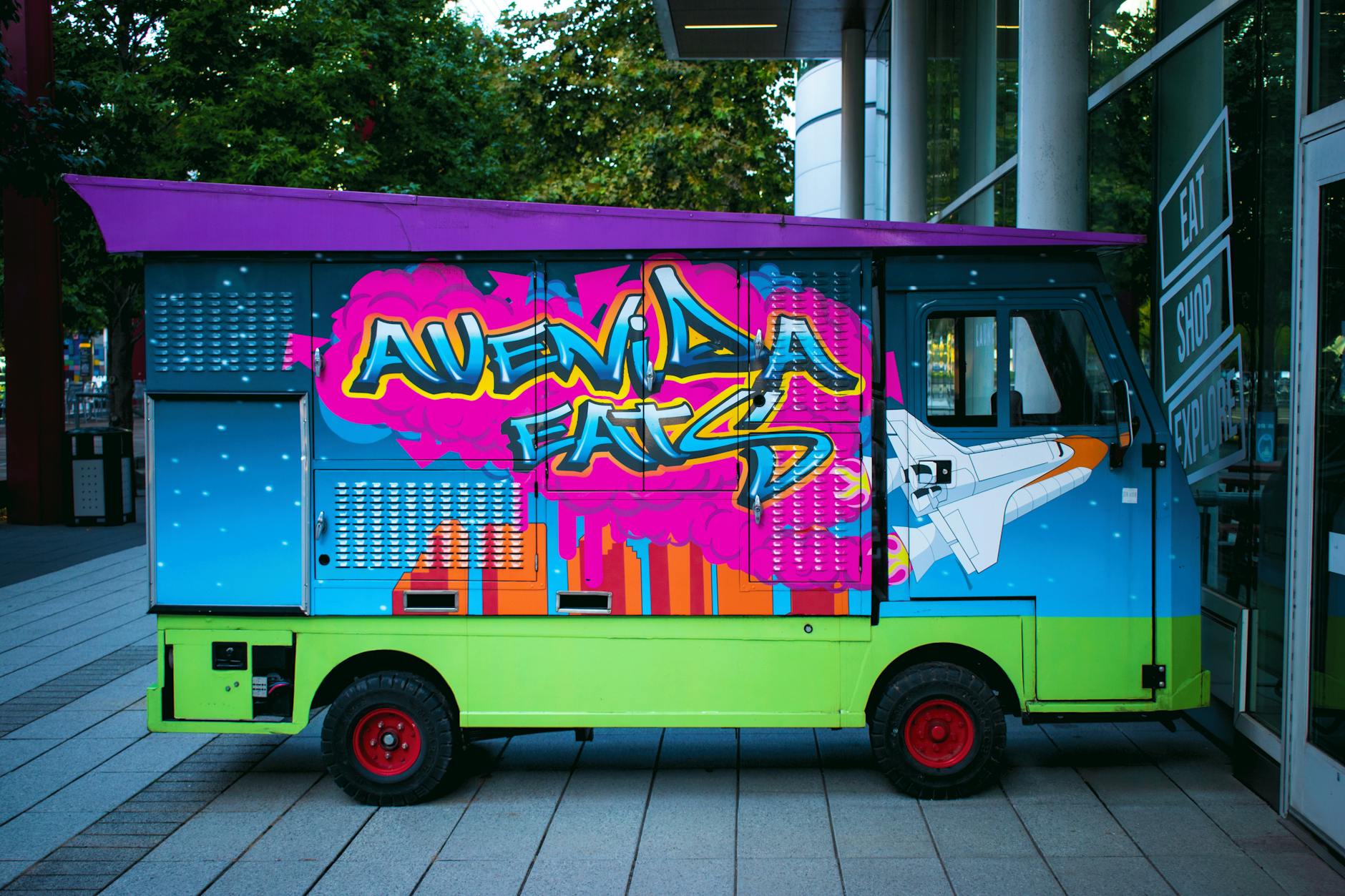
A Korean BBQ truck in Austin displays murals by local street artists between service windows. The chef collaborates with painters to create monthly rotating exhibitions while serving bulgogi tacos. This isn’t unusual anymore-across America, food trucks have evolved from quick meal providers into mobile galleries showcasing street art, community voices, and cultural fusion.
Food trucks have become unexpected champions of street culture, transforming sidewalks and parking lots into open-air galleries. What started as necessity-affordable mobile businesses-has morphed into a cultural movement where culinary arts meet visual expression, creating spaces that celebrate neighborhood identity and artistic innovation.
From Survival Strategy to Cultural Canvas
The transformation began during the 2008 recession when creative entrepreneurs combined limited budgets with unlimited imagination. Food trucks offered low startup costs compared to traditional restaurants, but owners quickly realized their mobile kitchens could serve dual purposes. The large, flat surfaces of truck exteriors became irresistible canvases for local artists seeking visibility.
In Los Angeles, the Kogi BBQ truck pioneered this intersection of food and art culture. Founded by Roy Choi, the truck featured graffiti-style graphics and collaborated with street artists from day one. Their success sparked a movement where food trucks became mobile billboards for local artistic expression.
Today’s food truck owners actively commission murals, rotating artwork, and collaborative pieces. The Lumpia truck in Seattle changes its exterior design quarterly, featuring work from Filipino-American artists. Each new design reflects seasonal themes while maintaining cultural authenticity-spring rolls bloom into cherry blossoms, summer designs incorporate salmon imagery honoring Pacific Northwest heritage.
This artistic integration isn’t superficial decoration. Food truck operators recognize that visual culture drives social media engagement and community connection. A striking mural becomes Instagram-worthy, expanding reach beyond immediate foot traffic. Customers don’t just buy food; they interact with moving art installations.
Neighborhood Galleries on Wheels
Unlike traditional galleries with admission barriers and formal atmospheres, food trucks democratize art access. They park in working-class neighborhoods, outside high schools, and at community events where gallery visitors might never venture. This accessibility has created new relationships between artists and audiences.
The Waffle Bus in Denver partners with local high schools, featuring student artwork on rotating panels. Students design pieces reflecting their neighborhood experiences-immigration stories, gentrification concerns, cultural celebrations. When the truck parks outside their school, students see their work displayed prominently in their community space.
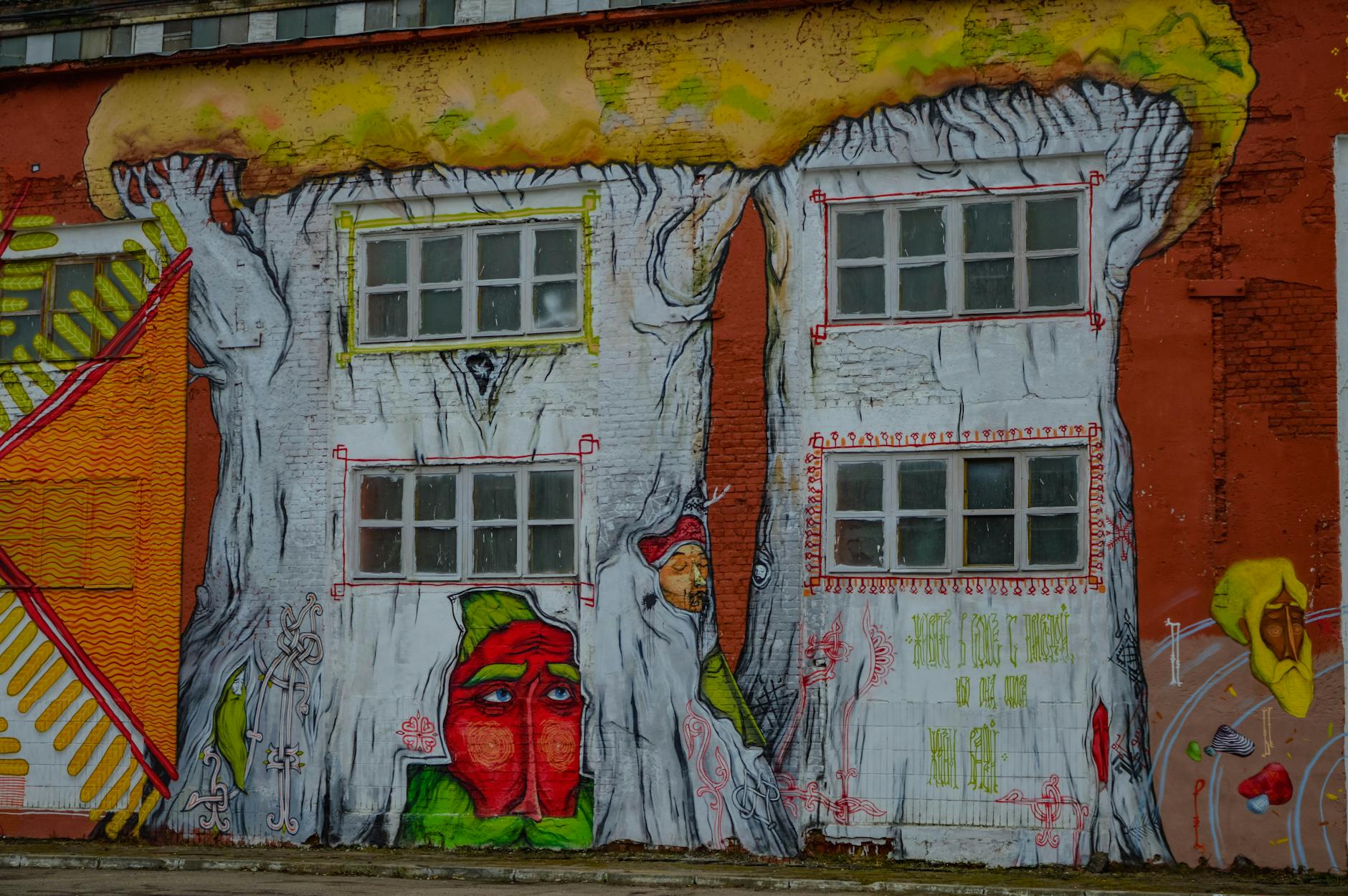
This model has spread nationwide. Food trucks in Detroit showcase Corktown muralists between the Renaissance Center and Eastern Market. Portland’s pod culture includes trucks featuring Pacific Northwest indigenous artists. Miami’s food truck scene incorporates Wynwood-style street art, creating mobile extensions of the famous arts district.
Community engagement extends beyond visual display. Many trucks host “art and eat” events where customers watch live painting while waiting for orders. The Pizza Arte truck in Phoenix employs a resident artist who creates custom pieces during lunch rushes. Customers can commission small works or simply observe the creative process while their food prepares.
Food trucks also serve as launching pads for emerging artists. The exposure provides portfolio building opportunities and networking with potential clients. Several artists have parlayed food truck collaborations into gallery representation or commercial commissions. The trucks become incubators for artistic careers while enriching street culture.
Cultural Fusion Beyond the Menu
Food trucks naturally embody cultural fusion-Korean-Mexican, Indian-American, Ethiopian-Italian combinations reflect immigrant experiences and evolving tastes. This culinary mixing parallels artistic collaboration, where traditional techniques merge with contemporary street art styles.
The Birria Truck in Chicago features murals combining Day of the Dead imagery with Chicago flag elements. The artwork reflects the owner’s Mexican heritage while claiming space in American urban culture. These visual combinations mirror the fusion happening inside the kitchen, where traditional recipes adapt to local ingredients and tastes.
Similar cultural blending appears in food trucks across immigrant communities. The Halal Guys trucks in New York feature Arabic calligraphy alongside graffiti-style lettering. Somali food trucks in Minneapolis incorporate traditional geometric patterns with urban design elements. Each truck becomes a cultural ambassador, introducing artistic traditions to diverse audiences.
This cultural exchange works in multiple directions. American street artists study traditional patterns and techniques from food truck collaborations. Mexican muralist techniques influence Chicago hip-hop artists. Vietnamese calligraphy appears in Portland punk aesthetics. Food trucks facilitate these artistic conversations by bringing different communities into shared spaces.
The impact extends beyond individual artistic development. Underground Poetry Slams Are Reviving Spoken Word Among Gen Z in similar ways-both movements democratize creative expression and build community connections outside traditional institutional frameworks.
Economic Impact and Community Development
Food truck art programs generate measurable economic benefits for neighborhoods and artists. Commissioned murals provide income for local artists who might otherwise struggle to find consistent work. The rotating exhibition model creates ongoing revenue streams rather than one-time payments.
Property owners near popular food truck locations report increased foot traffic and business. The artistic programming draws crowds who explore surrounding shops and services. Food trucks essentially function as community development tools, activating underutilized spaces and creating economic activity.
Several cities now integrate food trucks into official public art programming. Austin’s food truck parks include dedicated artist spaces and rotating exhibition schedules. Portland provides permits for extended residencies where trucks can establish ongoing community relationships. These initiatives recognize food trucks as legitimate cultural contributors rather than temporary businesses.
The model has influenced traditional restaurants and retail businesses. Many brick-and-mortar establishments now commission rotating murals and community art projects, recognizing the engagement benefits pioneered by food trucks. The influence flows both directions as established cultural institutions partner with mobile food businesses for special events and programming.
The Future of Mobile Culture
Food trucks continue evolving as cultural platforms, incorporating technology and expanding artistic programming. Digital displays allow for animated artwork and interactive elements. QR codes link to artist profiles and commission information. Social media integration amplifies the reach of both culinary and visual creativity.
Climate consciousness drives new directions in both food and art truck operations. Solar panels power refrigeration and lighting for evening art displays. Sustainable materials appear in both truck construction and artistic elements. Zero-waste initiatives include compostable serving materials and recyclable art installations.
The food truck model inspires other mobile cultural ventures. Art supply trucks visit schools and community centers. Mobile maker spaces bring technology access to underserved neighborhoods. Music trucks provide stages for local performers. Each variation builds on the democratic accessibility that food trucks demonstrated.
As urban spaces become increasingly expensive and exclusive, food trucks preserve street culture’s grassroots authenticity. They provide platforms where emerging artists can develop audiences, where communities can express identity, and where cultural fusion happens organically. This mobile gallery movement ensures that art remains part of daily life rather than confined to institutional spaces.
The intersection of food and art through truck culture represents broader shifts in how communities create and consume culture. Rather than waiting for institutional validation, artists and entrepreneurs are building their own platforms, literally taking their work to the streets and transforming urban spaces one parking spot at a time.
Frequently Asked Questions
How do food trucks collaborate with local artists?
Food trucks commission murals, host rotating exhibitions, and employ resident artists who create work while serving customers.
What makes food truck art different from traditional galleries?
Food trucks bring art directly to communities without admission barriers, making creative expression accessible in everyday spaces.