





The locked door clicks shut behind them, and suddenly the bickering stops. Sarah and Mike, who spent the car ride arguing about whose fault it was they arrived late, now stand shoulder-to-shoulder studying cryptic symbols on a medieval castle wall. They have 60 minutes to escape, and for the first time in months, they’re genuinely listening to each other.
Escape rooms have quietly transformed from weekend entertainment into unexpected relationship laboratories. What started as puzzle-solving games has evolved into immersive experiences where couples, families, and friends discover how they actually communicate under pressure. Therapists now recommend them. Corporate teams book them for trust-building. First dates happen inside zombie apocalypse scenarios.
The shift reflects our hunger for authentic connection in an increasingly digital world. While we’re more connected than ever through screens, we’re starving for real-time collaboration that doesn’t involve Netflix negotiations or restaurant choices.
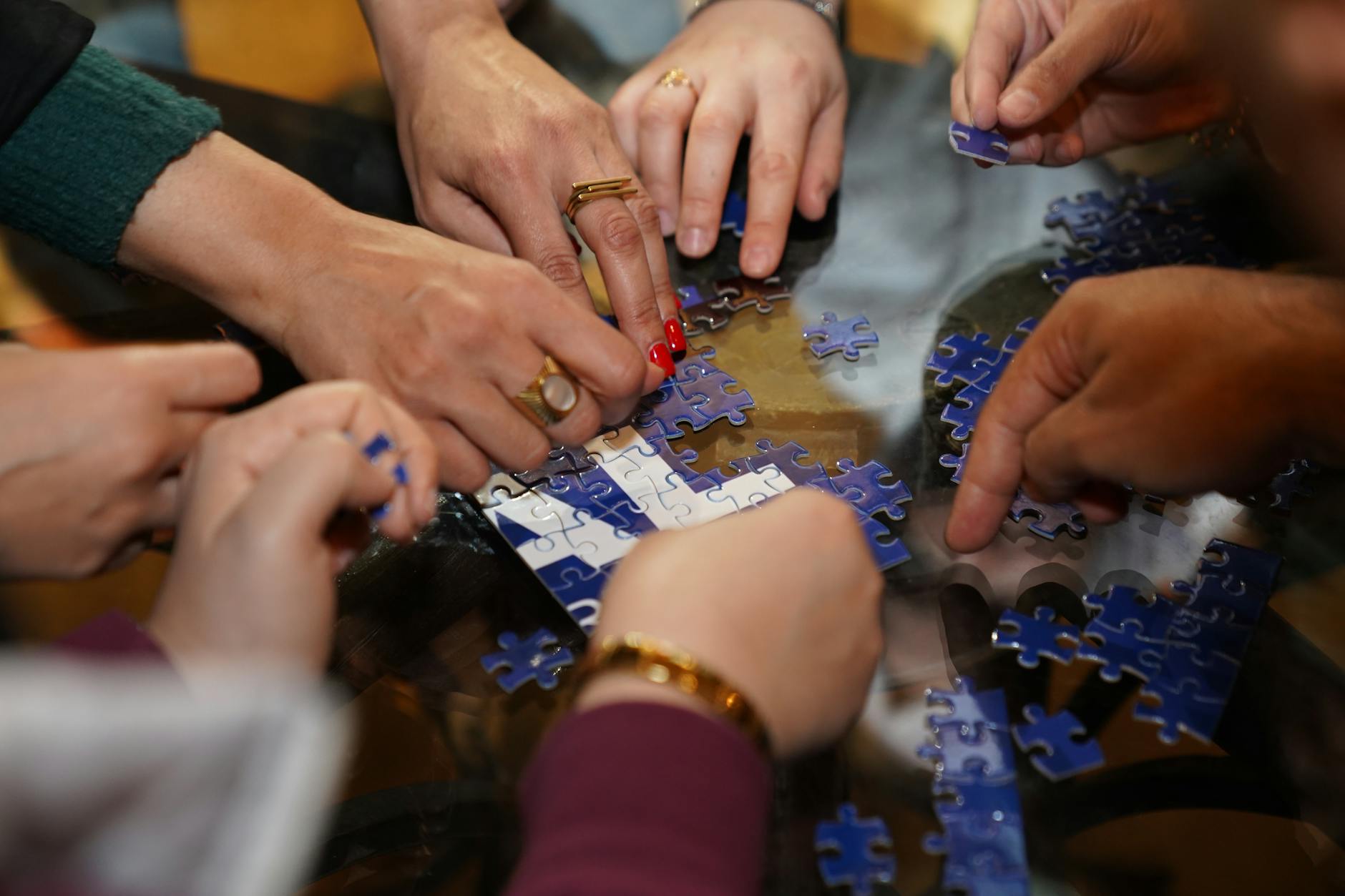
The Accidental Therapy Session
Dr. Rachel Thompson, a marriage counselor in Denver, started recommending escape rooms to clients three years ago after noticing something remarkable during her own team-building exercise. “I watched couples who couldn’t agree on dinner plans suddenly become master communicators when faced with a ticking clock and a series of locks,” she explains.
The psychological mechanics make perfect sense. Escape rooms create what therapists call “manufactured stress” – pressure that’s challenging but not threatening to the relationship itself. Unlike real-world conflicts about money or in-laws, everyone wants the same outcome: getting out before time runs out.
“It strips away all the emotional baggage,” says Marcus Rodriguez, who owns three escape room facilities in Chicago. “When you’re trying to figure out why the bookshelf won’t move, you can’t afford to hold grudges about last week’s argument. You need your teammate.”
Modern escape room design has evolved to amplify these therapeutic benefits. Gone are the simple lock-and-key puzzles of early venues. Today’s experiences require different skill sets simultaneously – one person might excel at pattern recognition while another handles physical challenges. Success demands that participants identify and leverage each other’s strengths quickly.
Team dynamics emerge within minutes. The natural leader steps forward. The detail-oriented person starts examining everything closely. Someone becomes the timekeeper, calling out progress. These roles often surprise participants who discover hidden aspects of their personalities or their partners’.
Beyond Couples: The Family Bonding Revolution
The trend extends far beyond romantic relationships. Multi-generational families are booking escape rooms as alternatives to traditional gatherings, creating shared adventures that bridge age gaps in ways dinner conversations cannot.
“My teenage daughter actually asked my opinion about something,” laughs Jennifer Walsh, describing her family’s recent pirate-themed escape room experience. “She needed my help reading an old map, and suddenly I wasn’t just the mom nagging about homework. I was her teammate.”
Escape room operators report surge in family bookings, particularly among families with teenagers. The format neutralizes typical family hierarchies – adults don’t automatically have advantages when facing abstract puzzles, and teenagers often excel at the technology-based challenges many rooms incorporate.
Child psychologists note the benefits extend beyond fun. Kids learn to articulate their thoughts clearly when time pressure demands efficiency. They practice asking for help without embarrassment. They experience their parents as collaborators rather than authority figures, creating positive associations that carry into daily life.

The corporate market has exploded alongside personal use. Companies book escape rooms for everything from new employee orientation to executive team building. Unlike traditional trust falls or rope courses, escape rooms feel engaging rather than awkward to most participants.
“It reveals natural leadership styles without the artificial feeling of typical corporate exercises,” explains Maria Santos, HR director at a Fortune 500 company that regularly uses escape rooms for team development. “You see who takes charge, who supports others, who thinks creatively under pressure.”
The Design Psychology Revolution
Escape room creators have become amateur psychologists, crafting experiences that trigger specific social dynamics. The most sophisticated venues employ narrative designers, former theater directors, and even psychology consultants to create optimal group bonding conditions.
“We study how people interact with space and each other,” says Alex Chen, creative director at Enigma Escapes in Los Angeles. “The best rooms create moments where people have to be vulnerable – asking for help, admitting they’re stuck, celebrating someone else’s breakthrough.”
Modern escape rooms incorporate elements borrowed from therapeutic practices. Some feature mirrors strategically placed to encourage eye contact. Others require participants to physically support each other or share personal information to unlock clues. The most advanced venues track team communication patterns through audio monitoring, providing post-game feedback about collaboration styles.
The themes themselves have grown more sophisticated. Instead of generic spy missions, rooms now tackle complex narratives that require emotional intelligence alongside logical problem-solving. Players might need to empathize with characters, make moral decisions as a group, or navigate scenarios that mirror real-world relationship challenges.
Some facilities have partnered with mental health professionals to create specialized experiences. “Relationship Bootcamp” rooms feature challenges specifically designed to highlight common communication issues. “Trust Builder” experiences require one partner to guide another through obstacles while blindfolded.
The Social Connection Renaissance
The escape room evolution represents something larger happening in entertainment culture. Like the renewed interest in chess clubs experiencing their biggest renaissance since Netflix, people are gravitating toward activities that demand genuine human interaction.
Pre-pandemic, escape rooms were growing steadily. Post-pandemic, they’ve become essential. After years of Zoom calls and social distancing, people crave experiences that require physical presence and real-time collaboration. The tactile nature of escape rooms – touching objects, moving through spaces together, sharing physical challenges – addresses touch-starved social needs that digital entertainment cannot meet.
Industry data shows repeat customers comprise 40 percent of bookings, with many groups returning monthly. These aren’t tourists seeking novelty; they’re people who’ve discovered a reliable way to strengthen relationships through structured play.
The demographic has shifted too. Early escape room enthusiasts skewed young and male. Current participants span all ages and backgrounds, with women over 35 representing the fastest-growing segment. Marriage counselors report some couples now choose escape rooms over traditional date nights, viewing them as relationship maintenance rather than entertainment.

Mental health professionals predict escape rooms will continue evolving toward therapeutic applications. Some facilities already offer specialized sessions for couples in counseling, supervised by licensed therapists who observe team dynamics and provide real-time guidance.
The next frontier involves virtual reality integration, creating even more immersive collaborative experiences. But industry veterans caution against losing the fundamental appeal: real people working together in physical space to solve tangible problems.
“Technology should enhance the human connection, not replace it,” warns Rodriguez. “The magic happens when people discover they make a great team. That’s something you can’t fake or simulate.”
As our world grows more complex and isolating, escape rooms offer a simple antidote: put people in a room together with a shared goal and watch relationships strengthen through collaborative problem-solving. It’s team therapy disguised as adventure, and both industries are better for the evolution.
Frequently Asked Questions
How do escape rooms help relationships?
They create manufactured stress that requires genuine communication and collaboration without real-world emotional baggage.
Are escape rooms effective for family bonding?
Yes, they neutralize family hierarchies and allow different generations to work as equals toward common goals.