




Broadway theaters are quietly collecting your phone data during performances, and the insights are reshaping how shows are produced, marketed, and even performed. While audiences focus on the stage, their smartphones are generating a treasure trove of information that producers use to fine-tune everything from intermission timing to merchandise placement.
The practice has grown significantly over the past three years, with major theater owners and production companies partnering with data analytics firms to understand audience behavior in unprecedented detail. This isn’t about invasive surveillance – it’s aggregated, anonymized data collected through venue Wi-Fi networks and location services that audiences opt into when connecting to theater networks.
Real-Time Audience Engagement Tracking
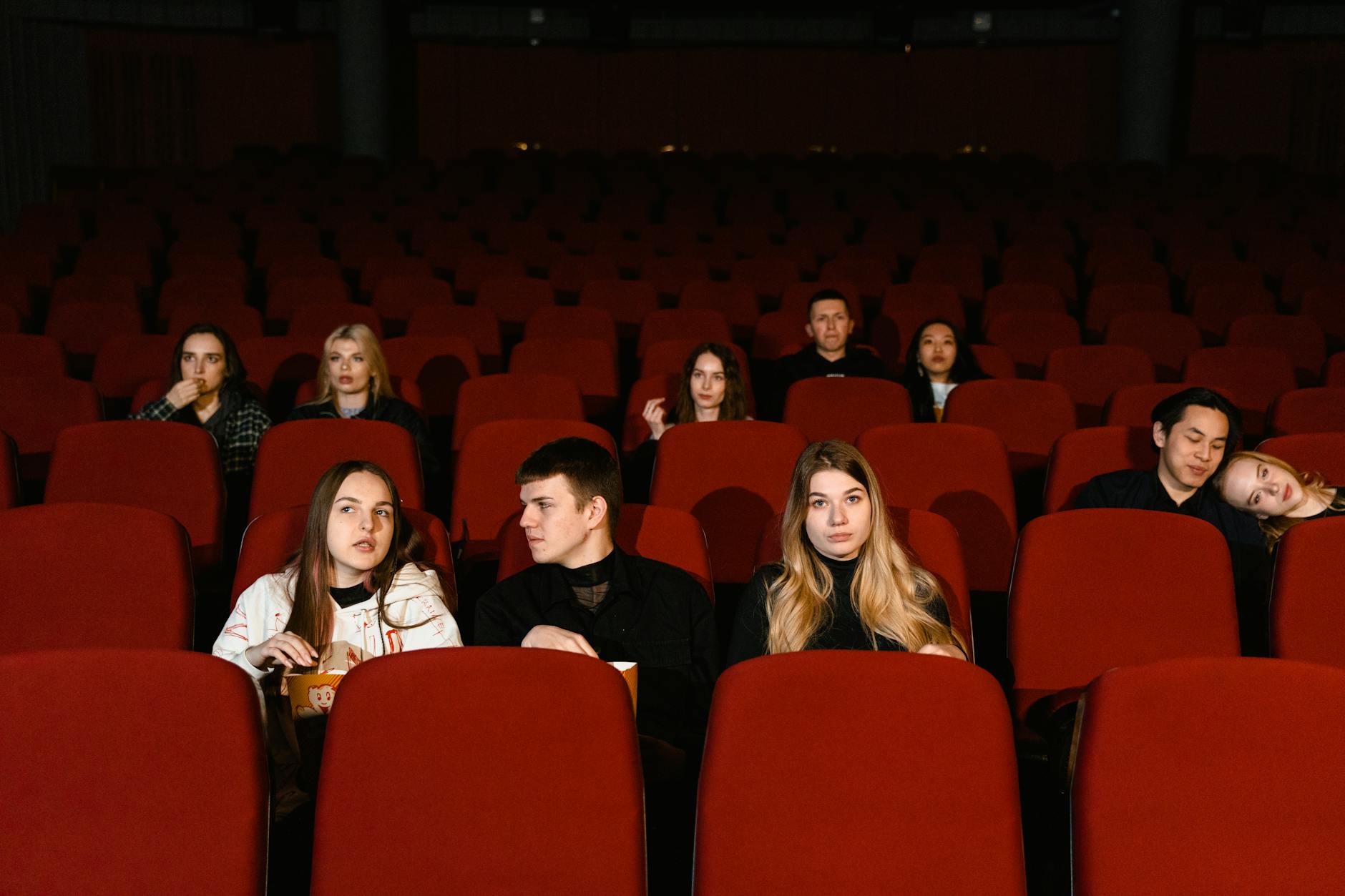
Theater producers are using phone data to measure audience engagement during performances in ways that traditional methods never could. By tracking when audience members check their phones, how long they stay connected to social media, and even their movement patterns during intermissions, shows can identify which scenes hold attention and which might need adjustment.
The Shubert Organization, one of Broadway’s largest theater owners, has been analyzing aggregated data from multiple venues to help shows optimize their pacing. When data shows increased phone activity during specific scenes, it often correlates with moments when audience attention wanes. This information has led to script revisions, lighting adjustments, and even changes in musical arrangements for shows during their preview periods.
Some productions have discovered surprising patterns. One major musical found that audiences were most active on social media not during dramatic climaxes, but during specific costume changes and set transitions that became Instagram-worthy moments. This led producers to enhance these visual elements and adjust lighting to make them more photograph-friendly, ultimately boosting the show’s social media presence.
Intermission and Concession Optimization
The data revolution extends beyond the performance itself to the entire theater experience. By analyzing foot traffic patterns and phone location data during intermissions, theaters have redesigned their lobby layouts and adjusted concession stand operations to reduce wait times and increase revenue.
The Nederlander Organization has used this data to determine optimal intermission lengths for different shows. They discovered that audiences at musicals tend to need longer intermissions than those at straight plays, partly due to different social media sharing behaviors. Musical theater audiences spend more time posting photos and videos, while play audiences use intermissions primarily for restroom breaks and brief conversations.
This insight has practical applications. Theaters hosting musicals now schedule 20-minute intermissions as standard, while plays often run with 15-minute breaks. The data also revealed that merchandise sales peak at different times for different genres, leading to strategic placement of merchandise booths and adjustment of staffing schedules.
Some venues have even redesigned their physical spaces based on phone data patterns. High-traffic areas identified through location tracking have been widened, while underutilized spaces have been repurposed for VIP experiences or additional concession points.
Marketing and Demographic Insights
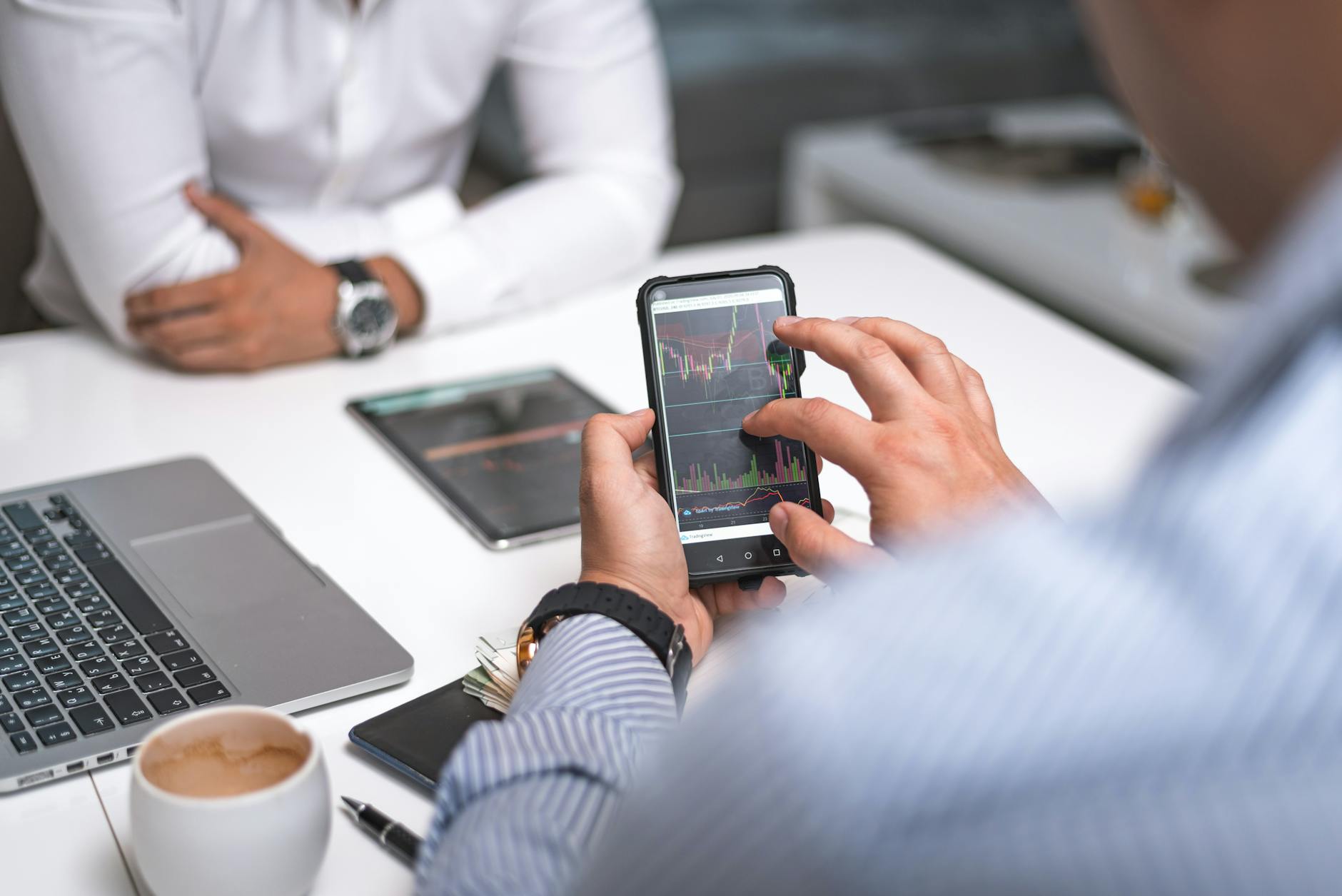
Phone data is providing Broadway with its most detailed audience demographic information ever. By analyzing app usage patterns, social media activity, and location history, producers can build comprehensive profiles of their audiences that go far beyond traditional surveys.
This granular data has revealed some surprising trends. For instance, many shows discovered that their audiences were significantly younger than traditional industry estimates suggested. Phone data showed high usage of TikTok and Instagram among attendees, indicating a demographic that wasn’t being effectively targeted through traditional advertising channels.
These insights have led to major shifts in marketing strategies. Shows are now investing more heavily in social media advertising and influencer partnerships, moving budget away from traditional print and radio advertising. Some productions have even adjusted their content to appeal to younger demographics after discovering through phone data that their audiences skewed millennial and Gen Z.
The data has also influenced touring decisions. Producers can now analyze location data to see where their audiences travel from, helping them identify potential markets for touring productions. One recent Broadway hit discovered that a significant portion of its audience came from specific suburbs in New Jersey and Connecticut, leading to targeted touring stops in those regions.
This level of audience intelligence is changing how shows are developed from the ground up. Producers are using similar techniques to other entertainment industries, much like how streaming platforms analyze viewing data or how reality TV shows are adapting their casting methods based on digital engagement patterns.
Privacy and Ethical Considerations
The collection of audience phone data has raised important questions about privacy and consent in entertainment venues. Broadway theaters have had to navigate complex legal and ethical territory while implementing these data collection practices.
Most theaters now provide clear opt-in mechanisms when audiences connect to Wi-Fi networks, explaining what data is collected and how it’s used. The emphasis is on aggregated, anonymized data rather than individual tracking. Theater owners stress that they’re looking at patterns and trends, not monitoring specific individuals.
Industry organizations have developed guidelines for ethical data collection in entertainment venues. These standards require venues to be transparent about data collection, provide easy opt-out options, and limit data use to improving the audience experience rather than invasive marketing practices.
Some audience members have expressed concerns about the practice, leading theaters to increase transparency efforts. Several venues now include information about data collection in their programs and on their websites, explaining how the insights are used to improve shows and facilities.
The Future of Data-Driven Theater
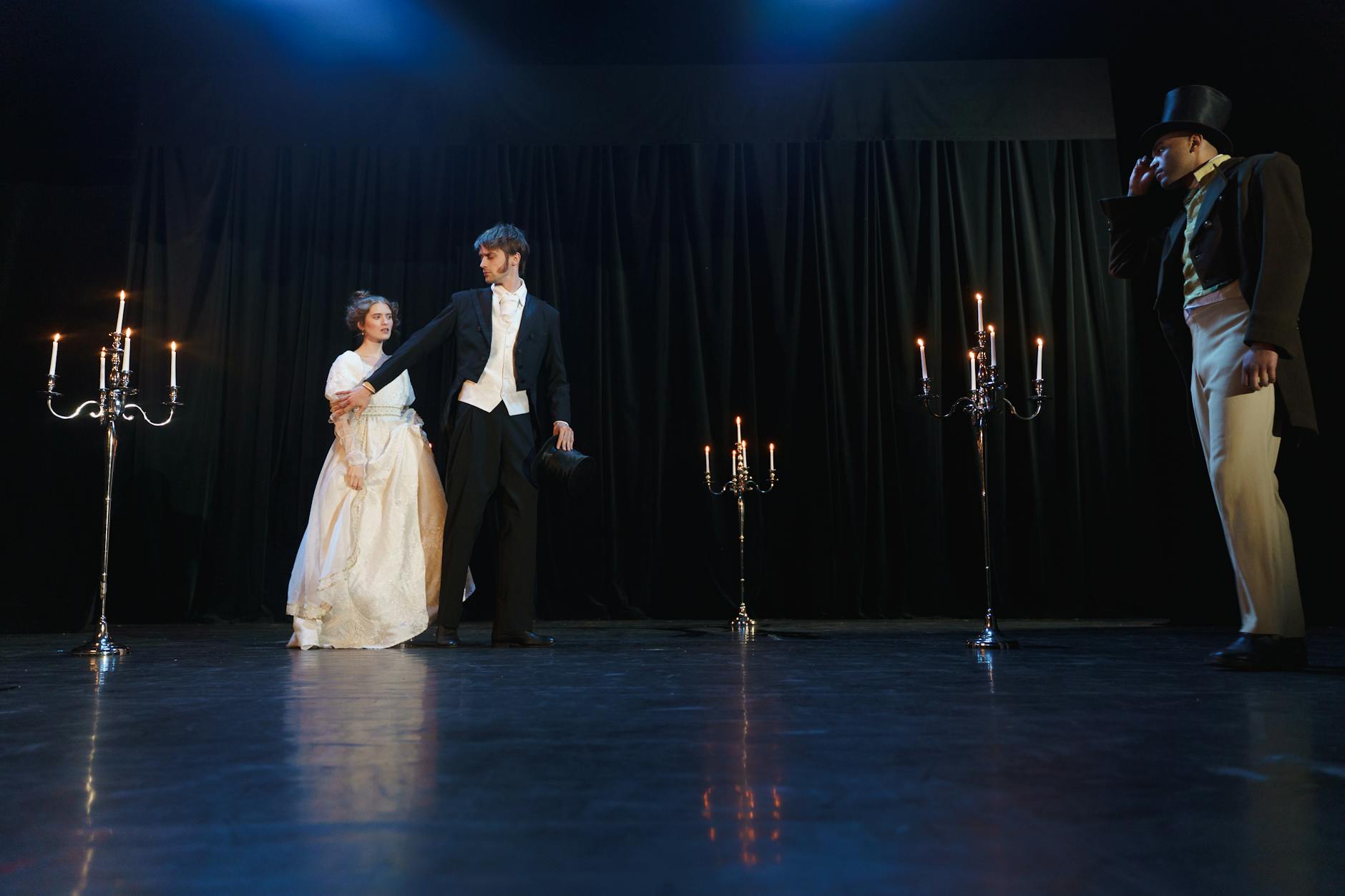
The use of phone data in Broadway theaters represents just the beginning of how live entertainment will leverage technology to enhance performances and audience experiences. As data collection becomes more sophisticated and privacy-conscious, theaters are exploring new applications that could revolutionize how shows are created and presented.
Some producers are experimenting with real-time adjustments based on audience engagement data, though this remains limited to technical elements like lighting and sound levels rather than performance changes. The goal is to create more responsive, dynamic theater experiences that adapt to each specific audience.
The success of data-driven improvements on Broadway is likely to spread to other live entertainment sectors, from concerts to comedy shows. As venues become more sophisticated in their data collection and analysis, audiences can expect more personalized and optimized entertainment experiences across all forms of live performance.
The intersection of traditional theater and modern technology continues to evolve, with phone data providing unprecedented insights into audience behavior. As Broadway adapts to changing audience expectations and technological capabilities, these data-driven approaches are becoming essential tools for creating successful, engaging theatrical experiences.
Frequently Asked Questions
How do Broadway theaters collect audience phone data?
Theaters collect anonymized data through venue Wi-Fi networks and location services when audiences opt in by connecting to theater networks.
What do theaters do with audience phone data?
They analyze engagement patterns to optimize show pacing, adjust intermissions, improve concession operations, and refine marketing strategies.