




The Gap Between the Sitcom and the Actual Life
Growing up in New Orleans, the blueprint for adulthood arrived through a television screen. Living Single, Sister Sister, The Fresh Prince of Bel-Air, Girlfriends – these were the shows that shaped what a social life was supposed to look like, complete with laugh tracks, rotating love interests, and friends who would literally hide behind oversized newspapers to surveil your dates from across the room. Bad relationships, good relationships, complicated ones – the characters had all of them in abundance, and the audience absorbed that rhythm as something close to a promise.
That promise does not always cash out.
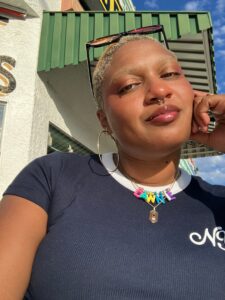
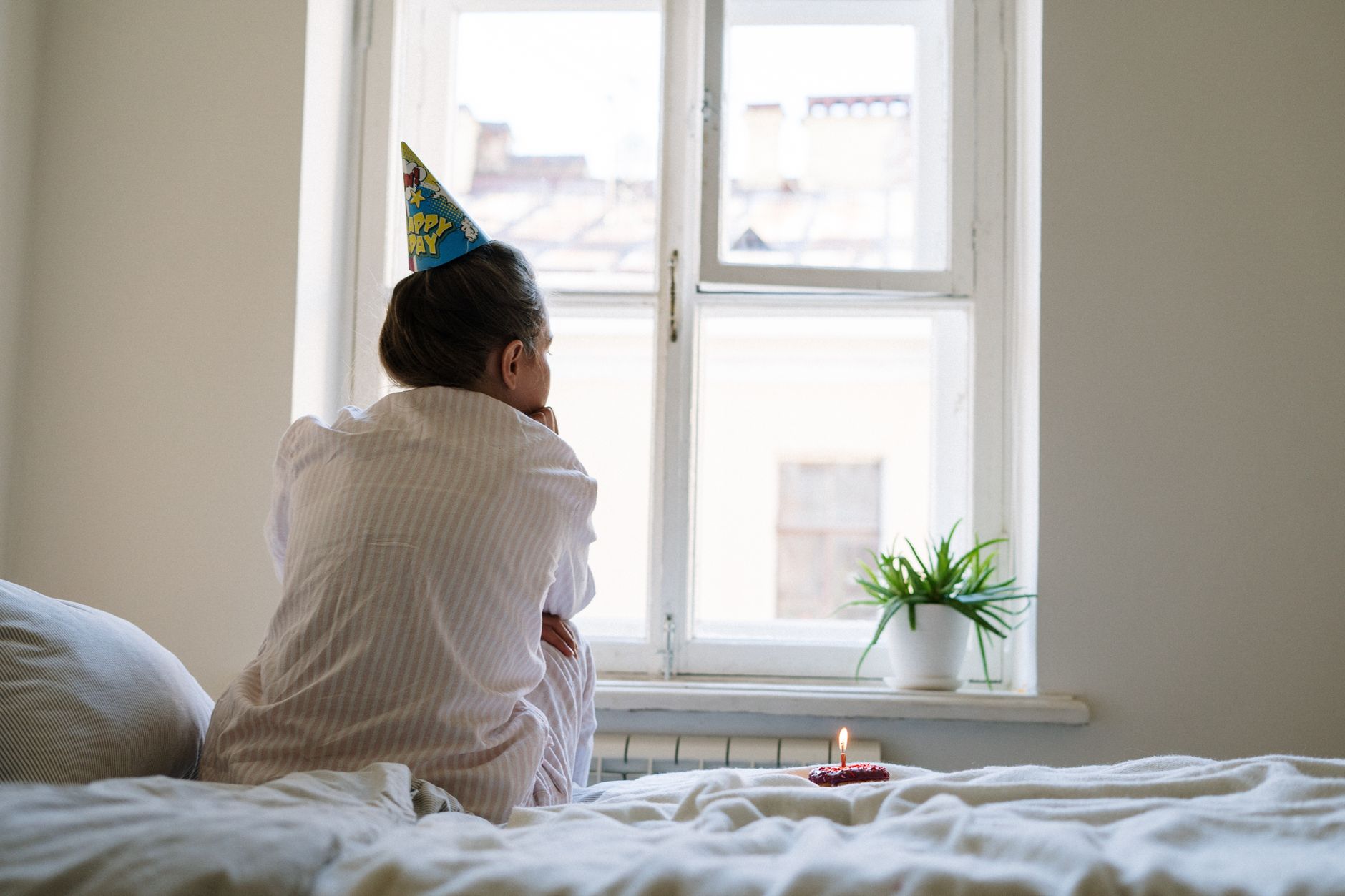
A week before turning 36, the writer behind the podcast built on exactly that expectation – of a dating life worth narrating – did the math and landed on a number that stopped her cold: three years since the last date. She cried for two days. Her most recent committed relationship had ended more than a decade earlier. The last time she seriously dated anyone was 2018. The word she uses for it is “chronically single,” and the feeling attached to that word is grief – specific, quiet, and not particularly interested in being talked out of itself.
What Grief Here Actually Means
There is a version of this story that pivots quickly toward affirmation – the part where solitude becomes self-discovery, where the absence of a partner gets reframed as freedom. That version is not dishonest, exactly, but it tends to skip over the harder admission: that wanting romantic love and not having it is a legitimate loss, not a mindset problem waiting to be corrected.
The distinction matters because the social script around single women, particularly single Black women in their mid-thirties, compresses into one of two lanes. Either something is wrong with her, or she has heroically transcended the need for partnership altogether. Neither lane leaves room for the more ordinary truth – that a person can be unbothered by singlehood on most days, genuinely unashamed of it, and still feel the specific ache of a birthday passing without anyone who occupies that particular role in your life.
Sex and the City Season 4 made this scene famous: Carrie Bradshaw at 35, everyone missing her birthday dinner, and her eventual confession that despite her friends, it felt genuinely sad not to have a man who cared about her that way. Charlotte offers the “we are each other’s soulmates” line, which Carrie accepts in the moment and promptly forgets once Big reappears. The scene has always been read as Carrie being melodramatic. It reads differently when you are 36 and recognizing something of yourself in it – not the melodrama, but the honesty underneath it.
Sitcoms, Podcasts, and the Stories We Tell Ourselves
The sitcoms she grew up watching did something specific: they made romantic chaos look continuous. There was always someone new at the door, always a bad date to debrief over the phone, always enough material to carry the episode. That density of experience felt like a baseline – the minimum expected social texture of adult life. She absorbed it so thoroughly she built a podcast around the premise, assuming there would be enough dating-life content to fill it.
When the reality turned out to be no meet-cutes in the grocery store, no laugh track, and almost no dates at all, the podcast premise held a particular kind of irony. It is one thing to have a dry spell and document it wryly. It is another to look at the gap between the story you expected to be living and the one you are actually living, and let yourself feel the full weight of that distance without rushing to a resolution.
She is not, by her own account, in a spiral of hopelessness. She does not believe she will never find love. The grief she describes is not the same as despair – it is more like the feeling of standing in a room where something should be and noticing its absence clearly, without pretending the room is fine as-is. That is a harder emotional position to hold than either devastation or equanimity, because it requires sitting with want without collapsing into it.
The Honest Middle Ground Nobody Puts on Television
There is no laugh track for the years that pass without dates. There is no narrative arc imposed on the stretch of time between 2018 and now. Issa Rae has talked about the specific exhaustion of trying to fit Black women’s experiences into structures that were never built around them – and the sitcom, with its reliable romantic throughline, is exactly that kind of structure. When the throughline doesn’t appear, it can feel less like a personal failure and more like a format problem. Except that knowing it’s a format problem doesn’t make the birthday any less quiet.
She turned 36. She had not been on a date in three years. She cried for two days, and then she wrote about it rather than around it.
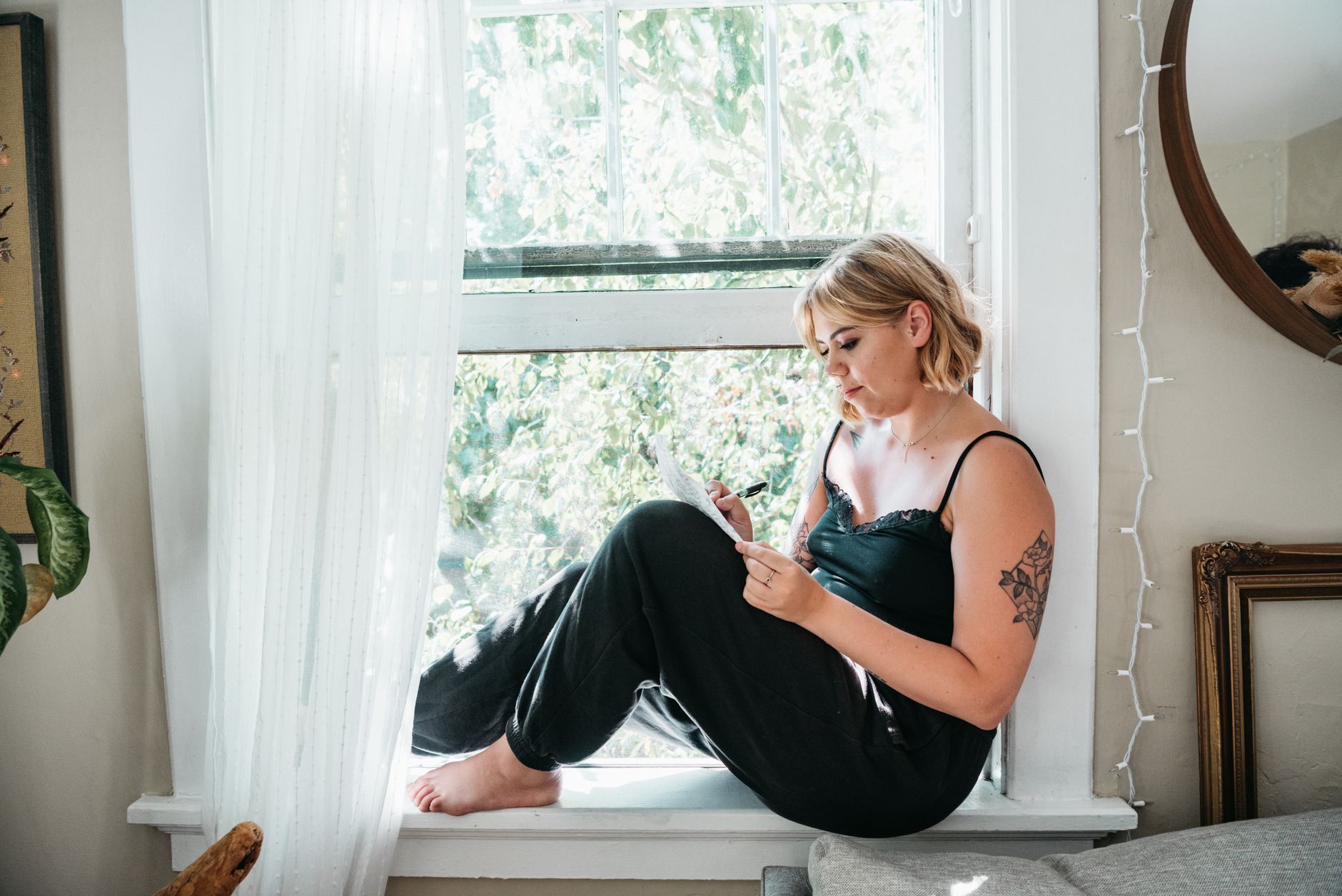
The grief is real. It is not pathological, not a cry for intervention, not a confession that requires a silver lining bolted onto the end of it. It is what it is: a woman who grew up watching Girlfriends and Living Single, who built her adult expectations accordingly, who made a podcast about a dating life that mostly has not happened, and who is sitting, at 36, in the gap between what she imagined and what actually is. The question of whether that gap eventually closes is entirely separate from the fact that right now, today, it is open.