

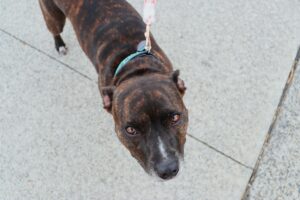



Manhattan’s Upper East Side has a new professional walking the streets at dawn: the canine movement specialist. While most dog owners grab a leash and head out the door, wealthy pet parents are paying trained choreographers up to $300 per session to create structured, artistic walking experiences for their beloved companions.
The trend emerged from high-end pet wellness circles and has gained traction among celebrities and business executives who view their pets as family members deserving professional care. These choreographers combine elements of dance therapy, animal behavior psychology, and fitness training to design customized walking routines that supposedly enhance both the dog’s physical health and mental stimulation.
Sarah Matthews, a former Broadway dancer turned dog walking choreographer in Los Angeles, reports a six-month waiting list for her services. Her clients include entertainment industry figures and tech entrepreneurs who want their dogs to experience more than a simple neighborhood stroll. Matthews creates what she calls “movement narratives” – structured walks incorporating tempo changes, directional shifts, and interactive elements designed around each dog’s personality and energy levels.
The Science Behind Structured Pet Exercise
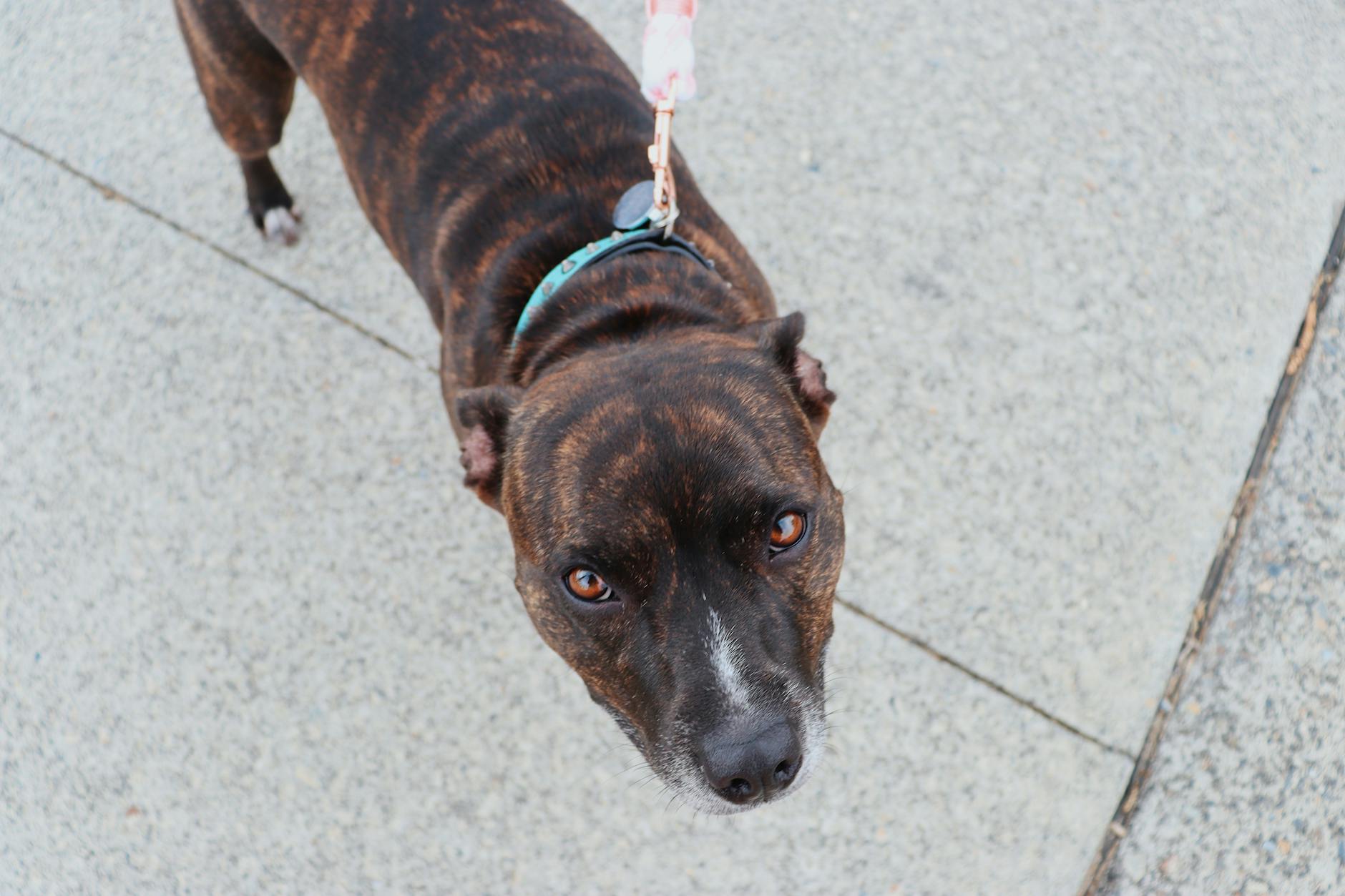
Professional dog walking choreographers draw from animal behavior research showing that varied movement patterns can reduce anxiety and improve cognitive function in dogs. Traditional walks often follow predictable routes, but choreographed sessions introduce controlled unpredictability through pace variations, obstacle navigation, and sensory engagement activities.
Dr. Jennifer Walsh, a veterinary behaviorist in New York, explains that dogs benefit from mental stimulation during exercise. While she questions whether formal choreography is necessary, she acknowledges that structured variety in walking routines can enhance a dog’s wellbeing. The key lies in providing appropriate challenges and new experiences during exercise time.
These sessions typically last 45-60 minutes and cost between $150-300, depending on location and the choreographer’s experience. Some packages include video documentation of the dog’s progress and detailed reports on behavior patterns observed during sessions. Clients often request specific outcomes, such as improved leash manners, better socialization skills, or increased confidence in urban environments.
Celebrity Influence and Social Media Appeal
The practice has gained visibility through social media, where videos of dogs performing coordinated movements during walks generate significant engagement. Several celebrity pet owners have reportedly invested in these services, though specific names remain confidential due to privacy agreements with choreographers.
Similar to how wealthy individuals hire professional coordinators for social events, this trend reflects a broader pattern of outsourcing specialized care to trained professionals. The appeal extends beyond mere convenience – owners view these services as investments in their pets’ quality of life and behavioral development.
Professional dog walking choreographers often have backgrounds in dance, theater, or animal training. They develop personalized programs based on breed characteristics, age, health status, and individual temperament. Sessions might include elements like rhythm-based walking, direction changes synchronized to music, or interactive games played during the walk.
Training and Certification Programs
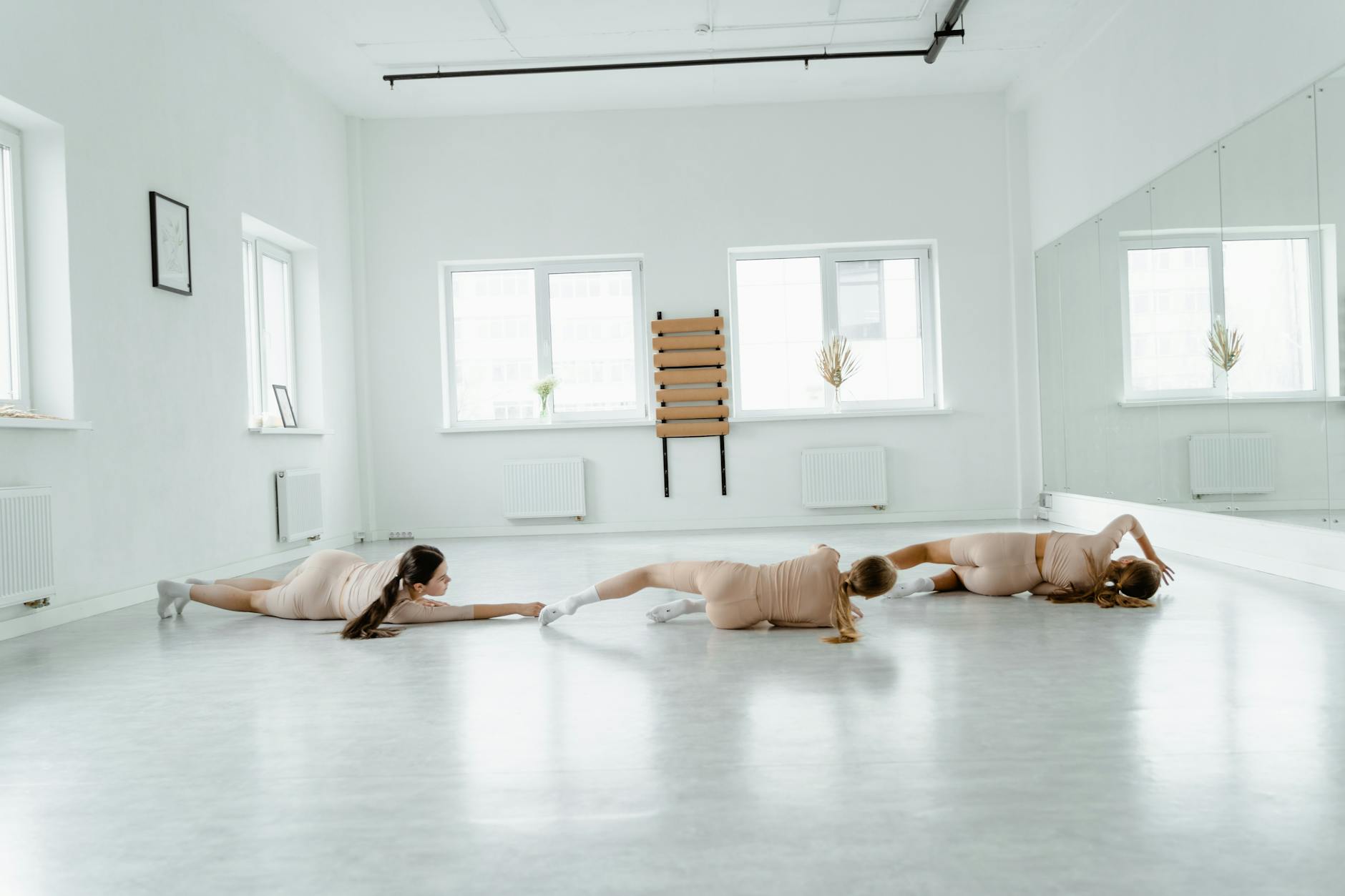
Several organizations now offer certification programs for aspiring dog walking choreographers. The International Association of Animal Movement Specialists launched a 12-week training program covering canine psychology, safe exercise techniques, and creative movement design. Graduates receive certification and access to a network of potential clients.
These programs emphasize safety protocols and proper assessment of each dog’s physical capabilities. Choreographers learn to recognize signs of stress or fatigue and adjust routines accordingly. They also study breed-specific exercise needs and age-appropriate activities for puppies, adult dogs, and seniors.
The business model varies among practitioners. Some work independently, building clientele through referrals and social media marketing. Others partner with luxury pet service companies or high-end veterinary practices. A few have established boutique studios offering group classes and private sessions.
Insurance considerations have emerged as the field grows. Professional liability coverage protects choreographers against potential injuries or incidents during sessions. Some practitioners require health clearances from veterinarians before accepting new clients, particularly for dogs with pre-existing conditions or behavioral issues.
Critics and Practical Considerations
Veterinary professionals express mixed opinions about the trend. While acknowledging potential benefits of varied exercise routines, some question whether the expense justifies the results. Traditional dog training and regular walks with attentive owners can achieve similar behavioral and fitness goals without specialized choreography.
Animal welfare advocates worry about the potential for over-stimulation or inappropriate expectations placed on pets. Dogs naturally benefit from routine and predictability, and excessive novelty during exercise might create stress rather than enrichment for some personalities.
Cost remains a significant barrier for most pet owners. At $200-300 per session, regular choreographed walks represent a substantial monthly expense. Critics argue that this money might be better spent on veterinary care, high-quality nutrition, or donations to animal welfare organizations.
Professional dog walkers in traditional markets report mixed reactions from existing clients. Some express interest in incorporating choreographed elements into regular services, while others prefer established routines that work well for their pets. The divide often correlates with income levels and attitudes toward pet care spending.
The trend appears likely to expand as more professionals enter the field and adapt services for different market segments. Some choreographers are developing group classes to reduce per-session costs, while others explore virtual consultations for owners who want to implement structured walking techniques independently. As pet ownership continues to rise and owners seek new ways to enhance their animals’ lives, professional dog walking choreography may evolve from luxury service to mainstream pet care option.
Frequently Asked Questions
How much do professional dog walking choreographers charge?
Sessions typically cost between $150-300 and last 45-60 minutes, depending on location and the choreographer’s experience level.
What qualifications do dog walking choreographers have?
Most have backgrounds in dance, theater, or animal training, with some completing specialized certification programs through organizations like the International Association of Animal Movement Specialists.