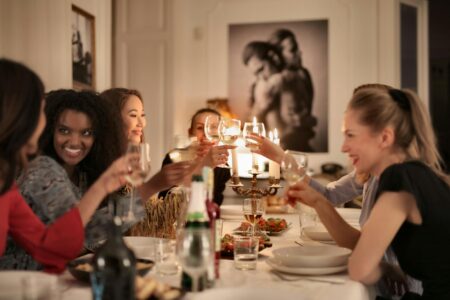





A simple Tuesday night dinner for six friends now comes with a detailed timeline, custom lighting design, and a dedicated coordinator ensuring the wine pours at precisely the right moment. Welcome to the latest luxury service taking over affluent millennial social circles: professional party planners for casual gatherings.
What started as crisis management during pandemic lockdowns has evolved into a full-blown trend among wealthy 30-somethings who view their homes as extensions of their personal brands. These aren’t elaborate celebrations or milestone events – they’re regular dinner parties, weekend brunches, and intimate gatherings that now receive the same professional treatment once reserved for weddings and corporate galas.
The shift reflects a generation that grew up with Pinterest-perfect expectations but lacks the time or expertise to execute them. Unlike their parents, who might have casually thrown together impromptu gatherings, affluent millennials approach hosting with the same strategic mindset they bring to their careers and investments.
The New Definition of Casual
Event planner Sarah Martinez, who runs a boutique firm in Los Angeles, reports that 40% of her bookings now involve “intimate experiences” for fewer than 20 people. Her clients, predominantly millennials earning six-figure salaries in tech, finance, and entertainment, book her services for everything from quarterly friend reunions to monthly book club meetings.
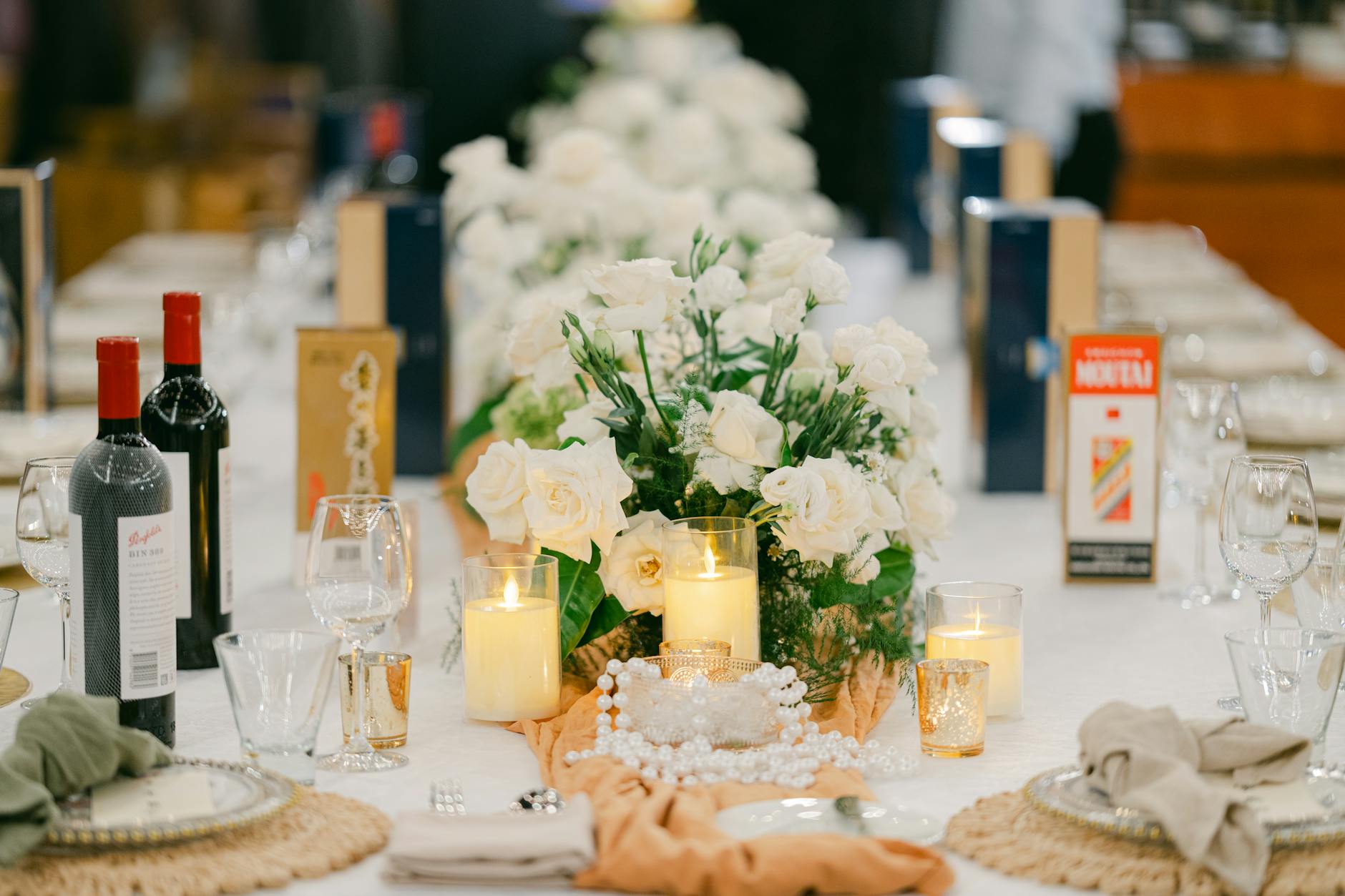
“They want it to feel effortless, but that effortlessness requires enormous effort,” Martinez explains. “A ‘casual’ dinner might involve coordinating with three different vendors, creating custom playlists timed to conversation flow, and designing table settings that photograph well for social media without looking overdone.”
The typical package for an eight-person dinner party runs between $2,000 and $5,000, covering venue styling, vendor coordination, custom menu development, and day-of management. Clients often request specific Instagram moments built into the experience – a carefully arranged cheese board reveal, coordinated outfit consultations for group photos, or signature cocktails that match the evening’s color palette.
This trend mirrors the broader luxury service economy, where affluent millennials increasingly outsource personal tasks. Similar to how couples are hiring professional gift consultants for special occasions, the party planning phenomenon represents a generation comfortable paying for expertise that enhances their lifestyle while saving time.
The Psychology Behind Professional Hosting
Clinical psychologist Dr. Rebecca Chen, who studies millennial consumer behavior, identifies several factors driving this trend. The first is performance anxiety around hosting, particularly among urban professionals who may have limited experience entertaining in their own homes.
“Many of my clients grew up in apartments or moved frequently for school and work,” Chen notes. “They never learned traditional hosting skills from their parents, but they have high expectations for how their events should look and feel based on social media exposure.”

The second factor is time scarcity. Unlike previous generations who might have had stay-at-home spouses or more predictable work schedules, dual-career millennial couples often work 50-60 hour weeks with irregular schedules. Planning a dinner party becomes another project competing with career demands and personal wellness routines.
Third is the Instagram effect. Social media has created expectations that every gathering should be visually cohesive and shareable. Professional planners understand lighting, styling, and the technical aspects of creating camera-ready moments throughout an event.
“It’s not vanity,” argues lifestyle blogger and frequent client Amanda Torres. “It’s recognizing that our social lives have become part of our personal brands. When you’re building a business or network, the quality of your gatherings reflects your attention to detail and professionalism.”
The Service Economy Expansion
This trend represents part of a broader shift toward hyper-specialized luxury services. The same demographics hiring party planners for casual dinners are also investing in personal shoppers, meal prep services, and specialized consultants for everything from home organization to dating strategy.
Event industry data shows that micro-events (fewer than 25 people) represent the fastest-growing segment in luxury event planning, with bookings increasing 300% since 2020. This growth parallels other niche service industries targeting affluent millennials who prioritize experiences over material goods.
Professional party planners report that their millennial clients approach hosting differently than older generations. They’re more likely to request sustainable options, dietary accommodation for multiple guests, and technology integration like custom Spotify playlists or digital RSVPs with detailed preference collection.
The service has also adapted to remote work culture. Many planners now offer “work-from-home party” packages for clients who want to host colleagues or clients in their home offices, complete with professional lighting setup, catering coordination, and post-event cleanup.
Industry Innovation and Future Outlook
The casual party planning industry has spawned several specialized sub-services. Some planners focus exclusively on “Instagram-friendly” gatherings, offering packages that include professional photography and social media content creation. Others specialize in wellness-focused events, incorporating elements like sound baths, meditation sessions, or organic farm-to-table experiences.
Technology platforms are emerging to serve this market, with apps connecting hosts to vetted local planners, caterers, and stylists. Some services offer “party-in-a-box” solutions where clients receive detailed timelines, shopping lists, and styling guides for DIY execution of professionally designed concepts.
The trend shows no signs of slowing. Industry analysts predict continued growth as more millennials enter their peak earning years and as Gen Z begins adopting similar service-oriented approaches to lifestyle management. The success of this niche market has even influenced traditional event planners to create specialized packages for intimate gatherings.
As remote work becomes permanent for many professionals, home entertaining is likely to become even more important as a networking and relationship-building tool. Professional party planners are positioning themselves as lifestyle consultants who understand the intersection of hospitality, personal branding, and social media presence.
The evolution from DIY hosting to professional coordination reflects broader changes in how affluent millennials approach work-life integration. Rather than viewing entertaining as a personal skill to develop, they’re treating it as a business function worthy of professional investment – just another way to optimize their time and maximize their social capital in an increasingly competitive landscape.
Frequently Asked Questions
How much do professional party planners charge for casual dinners?
Typical packages for 8-person dinner parties range from $2,000 to $5,000, covering styling, coordination, and day-of management.
Why are millennials hiring planners for casual events?
Time scarcity, performance anxiety around hosting, and social media expectations drive demand for professional party planning services.