





The Rise of Professional Memory Keepers
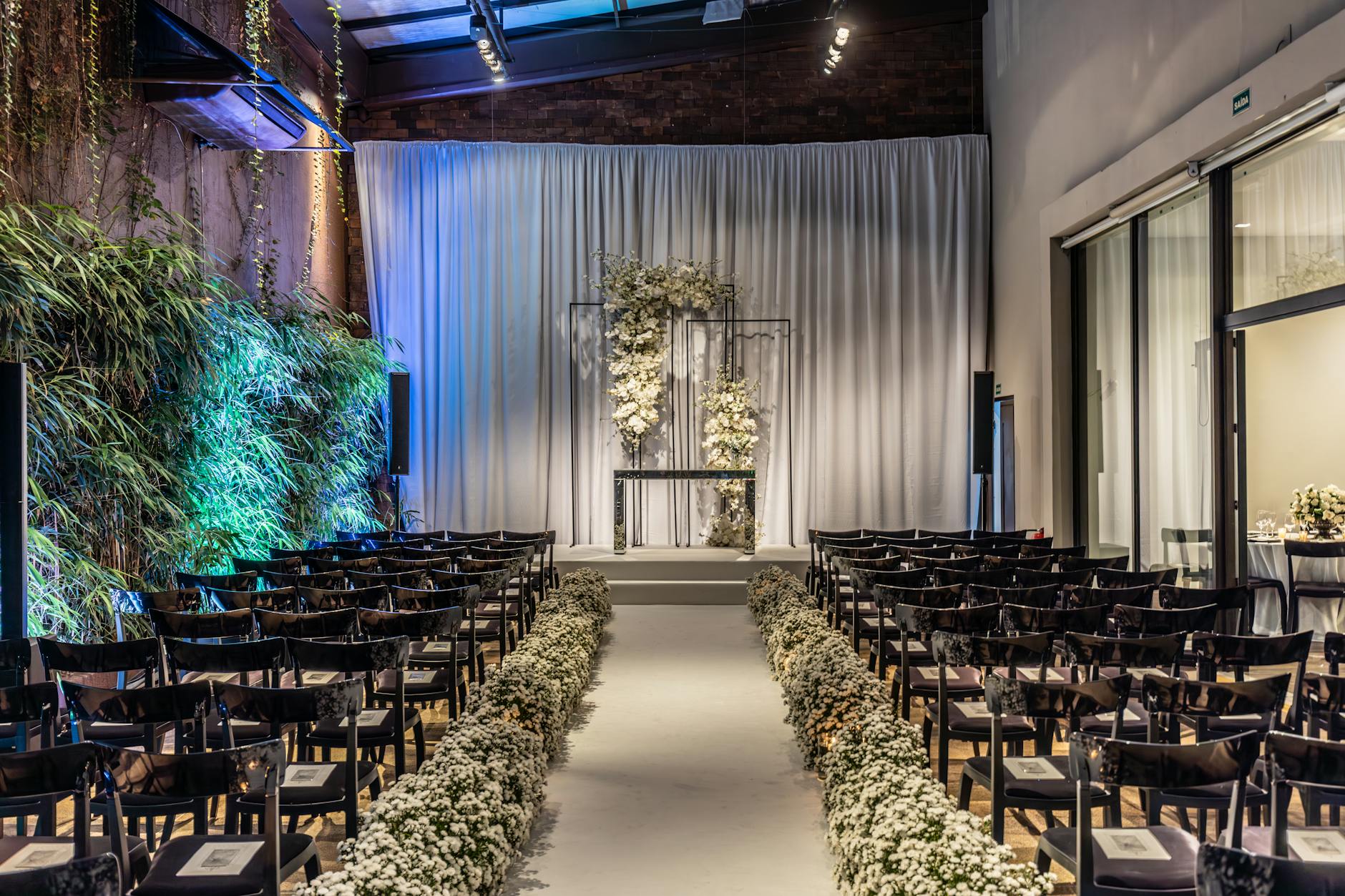
The Hamptons wedding had everything: a renowned chef, Grammy-winning musicians, and flowers flown in from Ecuador. But what made headlines wasn’t the seven-figure budget-it was the dedicated professional hired solely to capture and curate the family’s memories. Welcome to the latest luxury service taking hold among America’s wealthiest families: professional memory keepers.
These specialists, commanding fees ranging from several thousand to tens of thousands per event, go far beyond traditional photographers or videographers. They’re part archivist, part storyteller, and part family historian, tasked with creating comprehensive, lasting records of milestone moments. The service has quietly exploded among ultra-high-net-worth families who view memory preservation as both an art form and an investment in their legacy.
Unlike conventional event documentation, memory keepers spend weeks before an event interviewing family members, researching family history, and planning how to capture not just what happens, but the deeper emotional and historical significance of each moment. They coordinate with multiple photographers, videographers, and sound technicians to ensure no detail is missed-from the grandmother’s whispered blessing to the youngest cousin’s first dance.
Beyond Photos: Crafting Family Narratives
Memory keeping services typically include pre-event interviews with family members, real-time coordination of multiple documentation teams, and post-event curation that can take months to complete. The final deliverable isn’t just a photo album-it’s often a multimedia experience that includes professionally edited video narratives, audio recordings of speeches and conversations, detailed written accounts of the day’s significance, and even interactive digital archives.
Sarah Chen, who launched her memory keeping service after working as an archivist for several prominent families, explains the appeal: “These families understand that their stories matter beyond just their immediate circle. They want their great-grandchildren to understand not just what happened, but why it mattered and how it felt.”
The process begins months before the actual event. Memory keepers conduct extensive interviews with family members, researching genealogy and family history to understand the broader context of the celebration. They work with event planners to identify key moments that deserve special attention and coordinate with vendors to ensure optimal documentation opportunities.
During the event itself, memory keepers often work with teams of specialists: discrete photographers who blend into the crowd, sound engineers who capture intimate conversations, and videographers who focus on candid moments rather than posed shots. The goal is comprehensive documentation that feels natural and unobtrusive.
The Technology Behind Modern Memory Keeping
Today’s memory keepers leverage sophisticated technology to create immersive experiences. High-definition 360-degree cameras capture entire scenes, allowing families to virtually revisit spaces years later. Advanced audio equipment records ambient sounds and conversations, while drone footage provides aerial perspectives of outdoor celebrations.
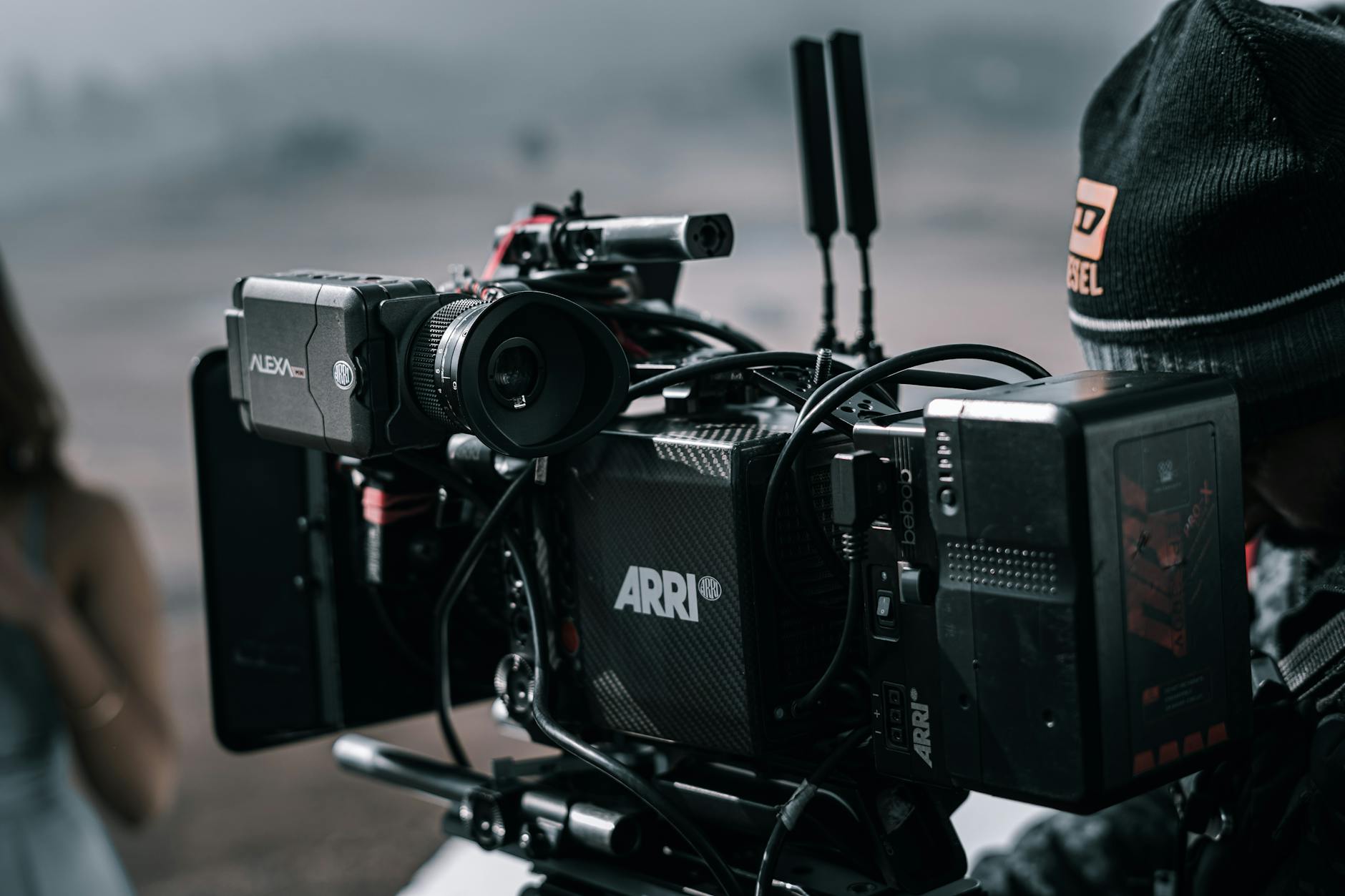
The post-production process involves professional editors who specialize in creating cohesive narratives from hours of footage and thousands of photos. Many services now offer virtual reality experiences, allowing family members to literally step back into important moments. Others create interactive timelines that connect current celebrations to decades of family history.
Some memory keepers are incorporating artificial intelligence to help identify and tag family members across hundreds of photos, while others use advanced audio processing to enhance recorded conversations and speeches. The technology allows for preservation methods that would have been impossible just a few years ago.
Digital preservation has become particularly important as families recognize that traditional photo albums and home videos can deteriorate or be lost. Professional memory keepers often create multiple backup systems and use archival-quality storage methods to ensure memories survive for generations.
Investment in Legacy and Status
The trend reflects broader patterns among wealthy families investing in unique services that distinguish their lifestyle choices. Professional party planners for casual dinners and other specialized services have gained traction as families seek to elevate everyday experiences.
Memory keeping also serves a practical purpose for families with complex histories, multiple generations, and global connections. Professional documentation helps preserve stories that might otherwise be lost as older family members pass away. It creates a shared family archive that can be accessed by relatives around the world.

The service has particular appeal for families who’ve experienced significant wealth creation and want to document their journey for future generations. Business founders often use memory keepers to document retirement celebrations or company transitions, creating records that capture both personal and professional milestones.
Some families view professionally preserved memories as valuable assets that appreciate over time. Historical family documentation can become culturally significant, particularly for families involved in major business, political, or cultural developments. The investment in professional preservation ensures these records meet museum-quality standards.
The Future of Family Documentation
As technology continues advancing and wealthy families increasingly prioritize unique experiences over traditional luxury goods, professional memory keeping services are expanding beyond special events. Some families now employ memory keepers year-round to document everyday moments, creating comprehensive family documentaries that span decades.
The trend signals a broader shift in how affluent families think about legacy and storytelling. Rather than leaving memory preservation to chance, they’re treating family history as a valuable asset worthy of professional investment and care.
Frequently Asked Questions
What do professional memory keepers do differently than photographers?
They conduct pre-event interviews, coordinate multiple documentation teams, and create comprehensive multimedia narratives rather than just taking photos.
How much do memory keeping services cost?
Fees typically range from several thousand to tens of thousands of dollars per event, depending on the scope and duration of documentation.