





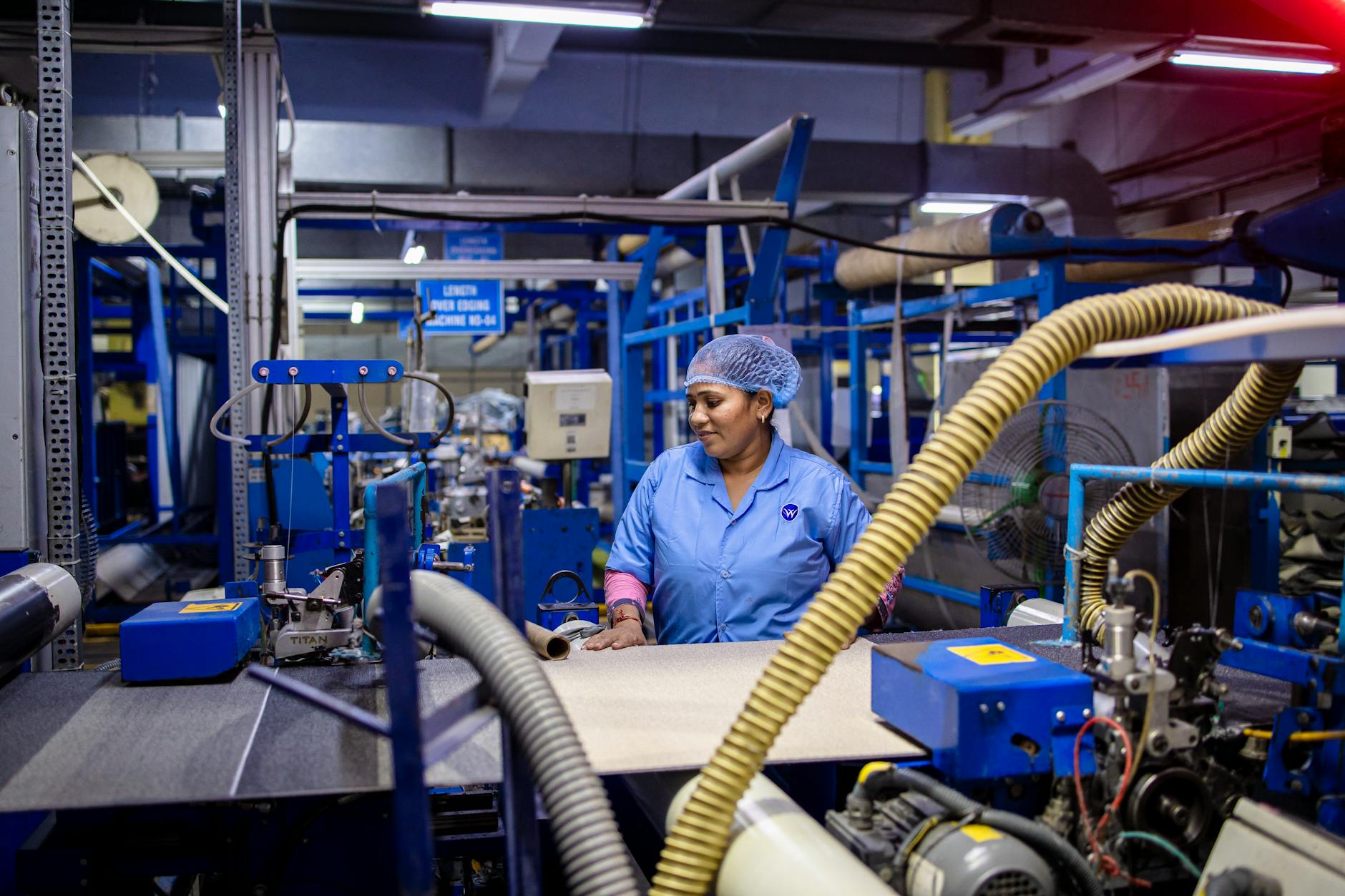
The sewing machine hums relentlessly in a cramped factory somewhere in Bangladesh, where a worker stitches together organic cotton t-shirts for a celebrated sustainable fashion brand. She earns the same wages as her colleague making fast fashion pieces next door. The only difference? The organic cotton shirt will sell for three times the price, with profits flowing to executives who speak passionately about environmental responsibility at conferences in Copenhagen and New York.
This uncomfortable reality exposes sustainable fashion’s dirty secret: while these brands have revolutionized material sourcing and reduced environmental impact, they’ve largely failed to address the industry’s most persistent problem-labor exploitation. Despite charging premium prices and building their reputations on ethical foundations, many sustainable fashion companies still rely on the same supply chains, factories, and wage structures that make fast fashion’s human cost so devastating.
The Price Premium Paradox
Sustainable fashion brands justify their higher prices by pointing to organic materials, eco-friendly dyes, and carbon-neutral shipping. Reformation’s dresses cost $200, while similar fast fashion pieces sell for $30. Stella McCartney’s commitment to cruelty-free materials commands luxury pricing. Patagonia’s outdoor gear costs significantly more than conventional alternatives, with the company openly discussing the true cost of ethical production.
Yet labor costs represent a small fraction of these price differences. According to industry analyses, the materials and environmental improvements that drive sustainable fashion’s premium pricing add $5 to $15 to production costs. Meanwhile, doubling factory wages would typically add less than $2 to a garment’s cost.
This math reveals an uncomfortable truth: sustainable brands could afford to ensure living wages for garment workers without significantly impacting their profit margins. The premium consumers pay for sustainability rarely translates into better conditions for the people making their clothes.
Major sustainable fashion companies often source from the same manufacturing hubs as fast fashion giants. Bangladesh, Vietnam, and parts of India dominate production for both Shein and companies marketing themselves as ethical alternatives. These factories may use organic cotton or recycled polyester, but workers still face the same wage pressures that drive the industry’s race to the bottom.
Supply Chain Transparency Theater
Fashion Revolution’s annual transparency index reveals how even highly-rated sustainable brands struggle with labor accountability. Companies excel at documenting their material sourcing and environmental impact while providing minimal information about worker wages, union rights, or factory conditions.
Everlane built its brand on “radical transparency,” publishing detailed breakdowns of their production costs. Yet their transparency reports focus heavily on materials and manufacturing processes, with limited concrete data about worker compensation or factory auditing results. Similarly, many brands that promote their sustainability credentials provide extensive information about their carbon footprint while offering vague commitments to “fair wages” without defining what that means in practice.
This selective transparency allows brands to maintain their ethical image while avoiding accountability for labor conditions. Environmental metrics are easier to measure and market than complex labor issues spanning multiple countries and regulatory environments. A brand can proudly announce its use of recycled materials while remaining silent about whether workers can afford basic living expenses on their wages.

The certification systems that consumers rely on to identify truly ethical brands often reinforce this imbalance. GOTS certification guarantees organic fiber content and environmental criteria but provides limited labor protections. Cradle to Cradle certification focuses entirely on material health and recyclability. Even Fair Trade certification, which does address labor issues, covers only a tiny fraction of the sustainable fashion market.
The Limits of Individual Brand Action
Some sustainable fashion companies have made genuine efforts to improve labor conditions. Patagonia’s fair trade certification program covers nearly half their line, ensuring premium payments to workers and supporting community development projects. Eileen Fisher has invested in supply chain transparency and worker empowerment programs. These efforts demonstrate that ethical labor practices are possible within sustainable fashion business models.
However, individual brand initiatives face structural limitations that prevent industry-wide change. Factories typically serve multiple brands with different standards and requirements. A factory producing for both sustainable and fast fashion brands must balance competing demands for pricing, timelines, and labor practices. Workers may receive better treatment when producing for certified fair trade lines but return to standard conditions for other orders.
The garment industry’s complex supply chains make monitoring and enforcement extremely difficult. Most brands work with intermediary suppliers who subcontract production to multiple factories. Even companies with strong ethical commitments struggle to maintain visibility and control throughout their entire supply network. Recent investigations have revealed that products from major sustainable brands were manufactured in facilities with documented labor violations, often without the brands’ knowledge.
This systemic complexity means that even well-intentioned companies cannot single-handedly solve industry-wide labor problems. The same economic pressures that drive fast fashion’s exploitative practices-retailer demands for lower prices, consumer expectations for constant new products, and intense competition between suppliers-continue to shape the broader manufacturing environment.
Why Real Change Requires Industry Restructuring
The fashion industry’s labor problems stem from fundamental economic structures rather than individual company choices. Brands compete on price and speed, creating downward pressure on manufacturing costs. This pressure flows directly to factory wages and working conditions, regardless of whether the final product is marketed as sustainable or conventional fashion.
Breaking this cycle requires coordinated action across the entire industry. Some sustainable fashion advocates point to successful models in other industries: Fair Trade coffee transformed agricultural supply chains through unified standards and consumer education. Conflict-free diamond certification created industry-wide accountability for mineral sourcing. Both examples demonstrate how systematic approaches can address complex global supply chain issues.
However, fashion faces unique challenges that make such coordination difficult. Unlike coffee or diamonds, fashion involves millions of individual workers across dozens of countries with different labor laws and economic conditions. The industry’s seasonal nature and constant style changes create additional pressures that don’t exist in more stable commodity markets.
Recent legislative efforts in several countries may force the changes that voluntary industry initiatives have failed to achieve. California’s Garment Worker Protection Act requires brands to ensure piece-rate workers receive minimum wage. The European Union is developing supply chain due diligence requirements that would mandate human rights monitoring for fashion companies. Similar regulatory pressure has transformed other industries, forcing companies to address issues they previously ignored.
The sustainable fashion movement has proven that consumers will pay premium prices for products aligned with their values. Brands like Stella McCartney and Patagonia have built billion-dollar businesses by prioritizing environmental responsibility. This success demonstrates market demand for ethical fashion, creating an economic foundation for addressing labor issues.
Yet without fundamental changes to industry economics and regulation, sustainable fashion will continue to solve only half the problem. Environmental sustainability without labor justice remains an incomplete solution, one that risks perpetuating the very exploitation that ethical fashion should address. The next phase of sustainable fashion must tackle the harder challenge: ensuring that the people making our clothes share in the prosperity their work creates.
Frequently Asked Questions
Do sustainable fashion brands pay workers better than fast fashion?
Most sustainable brands use the same factories and pay structures as fast fashion, despite charging much higher prices to consumers.
Why don’t higher prices in sustainable fashion lead to better wages?
Premium pricing typically reflects material costs and brand positioning rather than improved labor conditions or worker compensation.