





The sound of a perfectly curated playlist can make or break a workday. While most remote workers rely on Spotify’s algorithm or generic “focus music” playlists, a growing number of professionals are turning to an unexpected solution: hiring dedicated playlist curators to craft personalized soundscapes for maximum productivity.
This niche service has quietly exploded over the past two years, with professional curators reporting waitlists stretching months ahead. The demand comes from remote workers who’ve discovered that generic ambient playlists don’t account for their specific work patterns, energy levels, or the nuanced mental states required for different tasks.

The Science Behind Personalized Work Music
Professional playlist curators aren’t just music enthusiasts with good taste. Many hold degrees in music therapy, psychology, or neuroscience, applying research-backed principles to create audio environments that enhance cognitive performance. They consider factors most people never think about: the tempo progression needed to maintain focus during a four-hour coding session, or how instrumental complexity should shift during creative versus analytical work.
Sarah Chen, a former Spotify data analyst who launched her playlist curation service in 2022, explains her process. “I start with a detailed consultation about work patterns, attention span, musical preferences, and even what time of day they’re most productive. Then I create different playlists for different mental states – deep focus, creative brainstorming, administrative tasks, even transition periods between meetings.”
The personalization goes deeper than genre preferences. Curators analyze how different musical elements affect individual brain chemistry. Some clients perform better with consistent 120-bpm tracks throughout their workday, while others need gradually building intensity. Certain professionals require complete silence during complex problem-solving, but benefit from ambient soundscapes during routine tasks.
Research supports this individualized approach. Studies from the University of Windsor found that software developers who listened to music completed tasks faster and came up with better ideas, but only when the music matched their personal preferences and work requirements. Generic playlists often include tempo changes or stylistic shifts that can disrupt flow states.
Beyond Spotify: The Luxury Service Market
Professional playlist curation typically costs between $200 to $800 per month, depending on the level of customization and ongoing updates. Premium services include weekly playlist updates, real-time adjustments based on productivity feedback, and even integration with calendar apps to automatically shift musical moods based on scheduled work types.
The clientele includes software engineers at major tech companies, financial analysts, creative directors, and independent consultants who’ve realized that optimized audio environments can significantly impact their earning potential. Mark Rodriguez, a freelance graphic designer in Austin, credits his custom playlists with increasing his daily output by roughly 30%. “When you’re billing by the project, better focus directly translates to more income. The service pays for itself.”
Some curators offer specialized packages for specific professions. Legal professionals might receive playlists designed for document review versus client presentations. Marketing teams get collaborative playlists that maintain energy during brainstorming sessions while avoiding lyrics that could interfere with creative thinking.
The Technology Behind Custom Curation
Modern playlist curators use sophisticated tools beyond traditional music knowledge. They employ biometric feedback apps that track heart rate variability and stress levels, adjusting musical selections based on physiological responses. Some integrate with productivity software to analyze when clients are most focused, correlating this data with specific songs or musical patterns.
Advanced curators utilize audio analysis software that breaks down tracks by dozens of characteristics: spectral centroid, zero-crossing rate, tempo stability, and harmonic complexity. This technical approach allows them to create smooth transitions and maintain optimal cognitive arousal throughout work sessions.
The rise of AI music generation has also influenced the field. Some curators commission custom ambient tracks designed specifically for individual clients’ brainwave patterns. These bespoke compositions eliminate the risk of familiar songs triggering memories or emotions that could disrupt concentration.
Several curators have developed proprietary algorithms that learn from client feedback, automatically adjusting future playlists based on productivity reports and mood tracking. This creates an evolving musical environment that adapts to changing work demands and personal preferences over time.
The Professional Playlist Economy
The demand has created an entire ecosystem of music professionals. Former radio DJs, music therapy graduates, and even ex-streaming platform employees have pivoted to playlist curation. Some specialize in particular work environments – digital nomads working from cafes need different audio strategies than executives in quiet home offices.
Corporate packages are emerging as companies recognize the productivity benefits. Tech startups and consulting firms contract curators to create company-wide playlists that maintain team energy during collaborative work sessions or provide consistent background audio for open offices transitioning to hybrid models.
The service has also spawned related industries. Acoustic consultants work with curators to optimize home office sound systems for playlist delivery. Some interior designers now partner with music curators to create holistic sensory work environments that combine visual and audio elements for maximum focus.
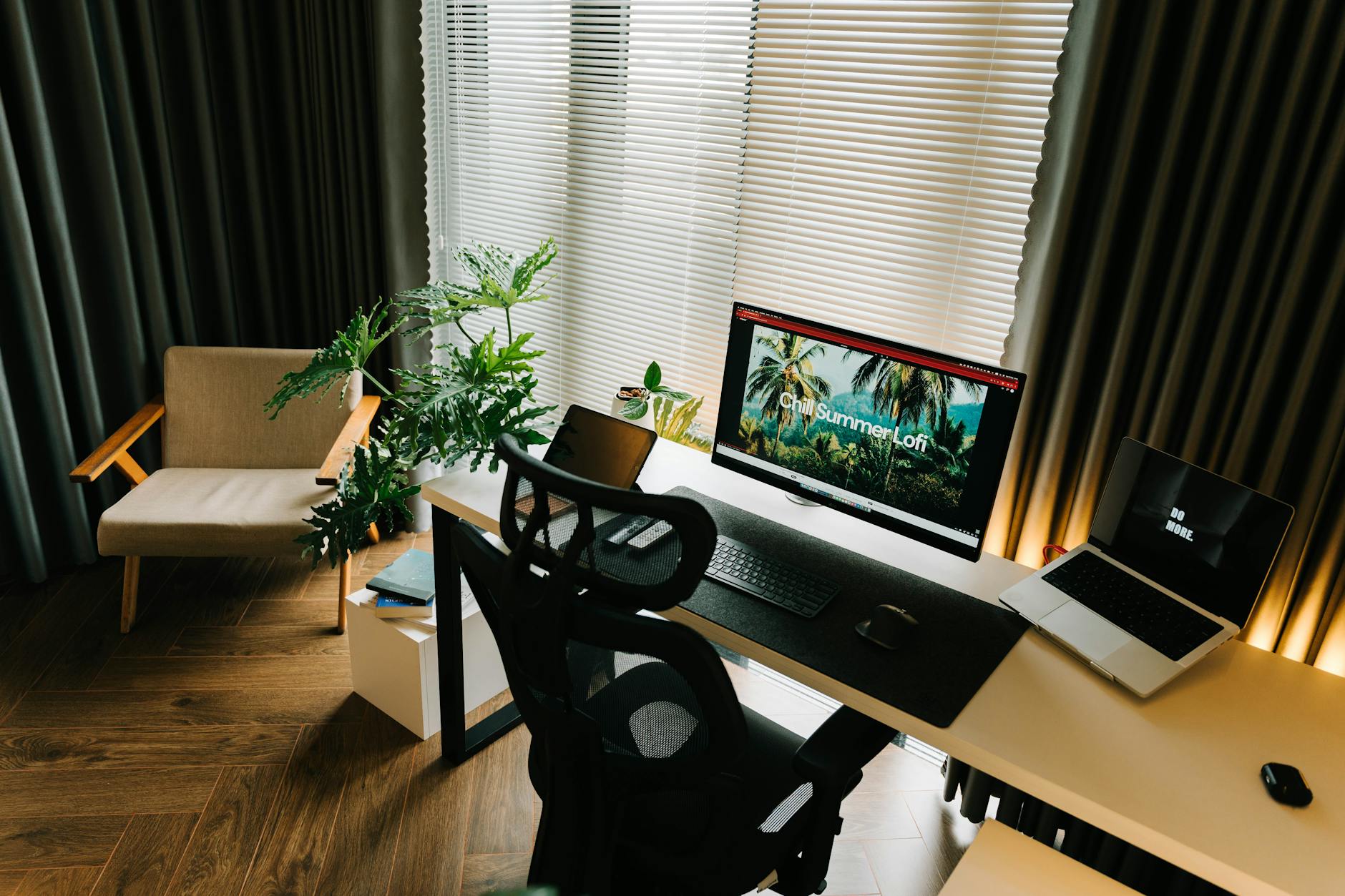
Professional playlist curation represents a natural evolution in the remote work landscape, where optimizing every aspect of the home office environment can provide competitive advantages. As more professionals recognize the direct connection between audio environments and cognitive performance, this specialized service is likely to become as common as hiring personal assistants for routine tasks.
The trend signals a broader shift toward hyper-personalized professional services, where individual optimization takes precedence over one-size-fits-all solutions. As remote work becomes permanently embedded in professional culture, expect to see continued growth in niche services that fine-tune the work-from-home experience for maximum productivity and satisfaction.
Frequently Asked Questions
How much do professional playlist curators charge?
Services typically cost $200-800 per month depending on customization level and ongoing updates.
How do curated playlists differ from Spotify recommendations?
Professional curators consider work patterns, cognitive needs, and biometric feedback rather than just musical preferences.