




Sarah Chen’s former coat closet now houses a meditation cushion, essential oil diffuser, and noise-canceling panels. The San Francisco marketing consultant spent three months transforming the 4×6-foot space into what she calls her “sanity sanctuary” after burning out during back-to-back video calls from her kitchen table.
Chen represents a growing movement of remote workers converting unused closets into dedicated meditation spaces. Interior designers report a 40% increase in closet conversion requests since 2023, with meditation pods leading the transformation trend. The shift reflects remote workers’ desperate search for mental health solutions within cramped living spaces where bedroom, office, and relaxation areas often overlap.
“The pandemic taught us we needed boundaries, but many of us are still working where we sleep and eating where we take calls,” says Lisa Rodriguez, a Los Angeles-based interior designer specializing in small-space wellness. “Converting a closet gives people a dedicated space that’s purely for restoration.”
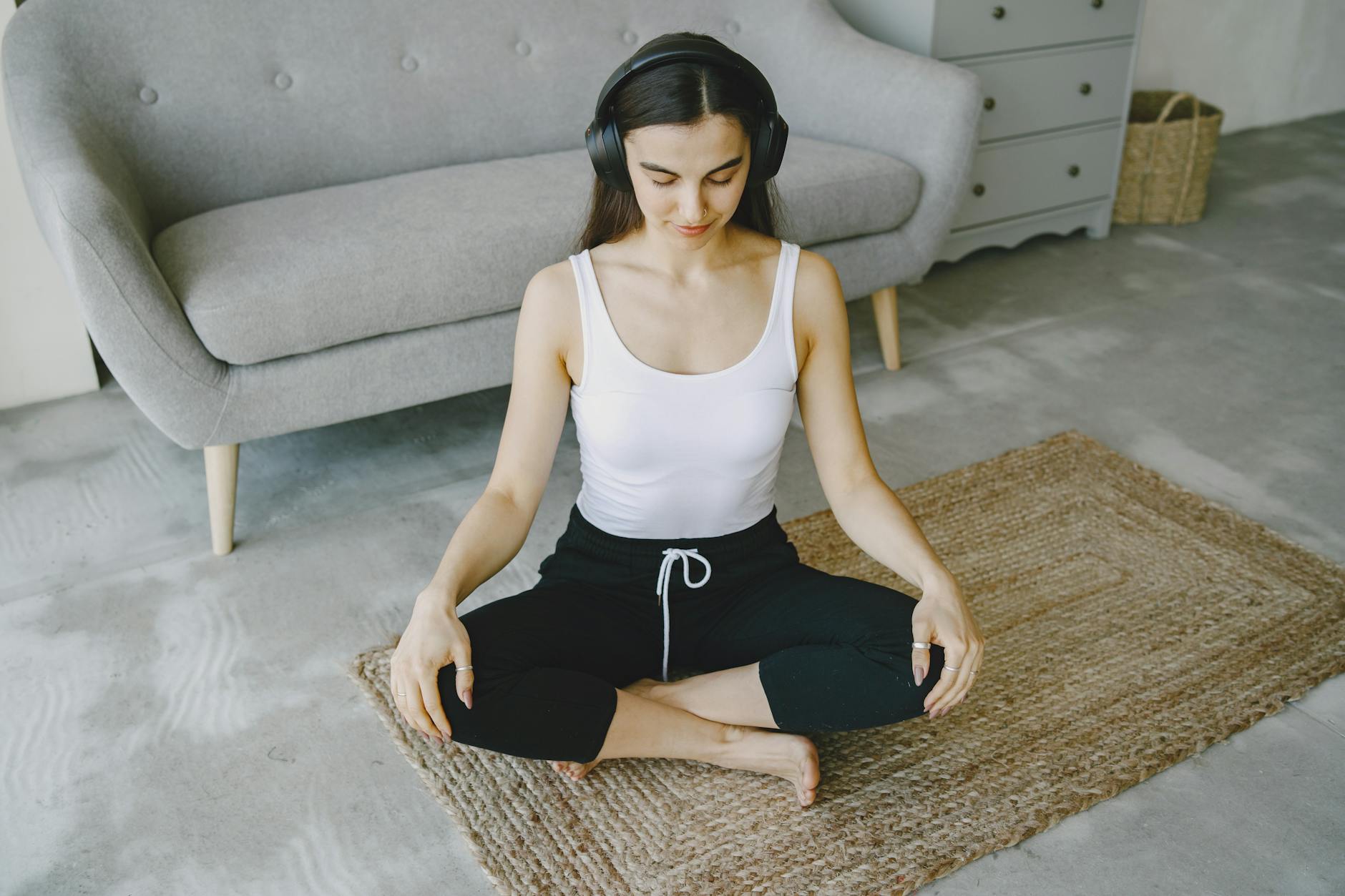
The Psychology Behind Enclosed Spaces
Mental health professionals point to evolutionary psychology when explaining why small, enclosed spaces promote relaxation. Dr. Marcus Thompson, a behavioral psychologist at Northwestern University, notes that humans naturally seek enclosed spaces during stress – a response traced back to cave-dwelling ancestors who found safety in contained environments.
“There’s something inherently calming about having your back protected and walls around you,” Thompson explains. “Closets naturally provide this cocoon effect that open rooms cannot replicate.”
The trend gained momentum through social media platforms, where hashtags like #closetmeditation and #tinywellness have accumulated millions of views. TikTok creator @MindfulSpaces showcased her own closet transformation, inspiring thousands of followers to attempt similar conversions. The video, featuring a former linen closet turned meditation nook, garnered 2.3 million views and sparked a wave of copycat transformations.
Remote workers particularly gravitate toward closet conversions because these spaces offer immediate separation from work environments. Unlike meditation apps or breathing exercises performed at desks, physical separation signals a complete mental shift away from professional responsibilities.
Design Elements That Transform Ordinary Closets
Successful closet meditation pods share common design elements that maximize limited square footage while creating calming atmospheres. Lighting tops the priority list, with most converters removing overhead fixtures in favor of warm LED strips or salt lamps. The harsh fluorescent lighting typical in closets contradicts the soft ambiance needed for meditation.
Sound management follows closely behind lighting concerns. Many converters install acoustic foam panels or hang thick tapestries to muffle household noise. Emma Walsh, a remote graphic designer in Portland, lined her converted closet with moving blankets from a local hardware store. “It cost me forty dollars and completely changed the acoustic quality,” she says.
Storage solutions require creative thinking since meditation pods still need to accommodate belongings. Wall-mounted shelves, hooks, and slim storage bins allow practitioners to maintain the space’s primary function while carving out meditation areas. Some converters use the top shelf for rarely accessed items while transforming floor space into sitting areas.
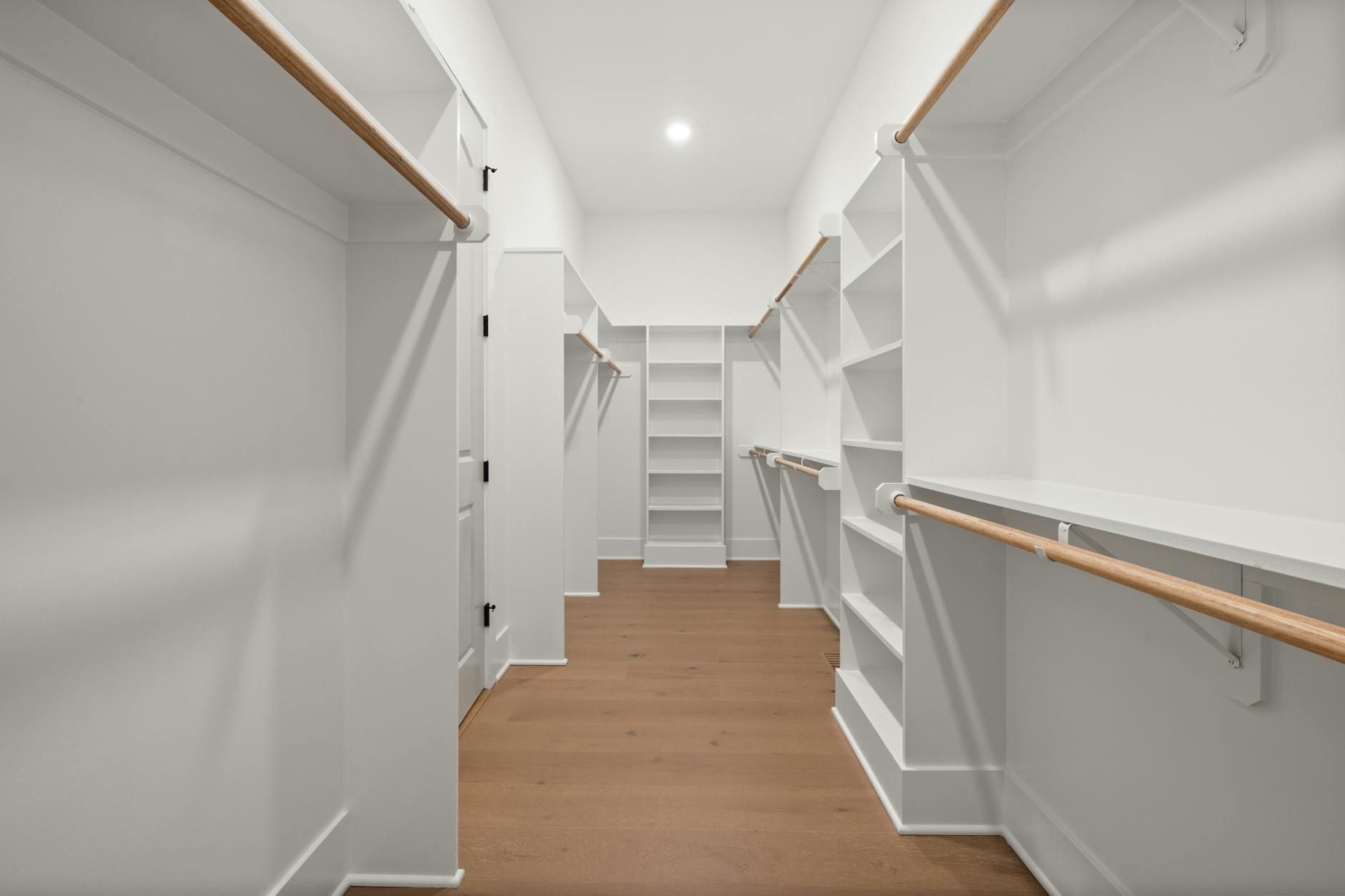
Flooring presents unique challenges in closet conversions. Hard surfaces echo sound and prove uncomfortable for extended sitting, leading many to invest in thick yoga mats, meditation cushions, or small area rugs. The confined space means every texture matters – smooth walls might get fabric coverings while cold floors receive warm textiles.
Color psychology plays a significant role in successful conversions. Neutral tones like soft grays, warm whites, and earth tones dominate most meditation pod makeovers. Bold colors that work in larger rooms can feel overwhelming in compact spaces, making subtlety essential for achieving calming environments.
Practical Considerations and Common Challenges
Converting closets into meditation spaces requires addressing practical concerns that don’t arise in traditional room designs. Ventilation tops the list, as enclosed spaces can become stuffy during extended use. Many converters install small fans or leave doors partially open to maintain air circulation.
Size limitations force practitioners to reconsider traditional meditation setups. Standard meditation benches or large cushions might not fit, leading to creative solutions like wall-mounted fold-down seats or compact inflatable cushions that store easily when not in use.
The trend mirrors other remote work adaptations, such as the rise of professional decluttering services among remote workers who struggle to maintain organized spaces that serve multiple functions.
Electrical considerations often require professional consultation. Adding outlets for essential oil diffusers, speakers, or charging stations might necessitate rewiring, particularly in older homes where closets lack adequate electrical infrastructure. Some converters rely on extension cords or battery-powered devices to avoid renovation costs.
Budget constraints influence conversion approaches significantly. High-end transformations featuring custom lighting, built-in seating, and professional sound dampening can cost thousands of dollars. However, many successful conversions happen with budgets under $200, using items like battery-operated LED strips, secondhand cushions, and DIY acoustic treatments.
Temperature control presents ongoing challenges, especially in closets located against exterior walls or near heating systems. Some spaces become too warm in summer or too cold in winter, requiring seasonal adjustments to maintain comfortable meditation environments.
Beyond Individual Wellness: A Cultural Shift
The closet meditation trend signals broader changes in how Americans approach wellness within domestic spaces. Unlike previous generations who might join meditation centers or wellness studios, remote workers increasingly create private wellness infrastructure at home.
Real estate professionals report that buyers now inquire about conversion potential in small spaces, viewing unused closets as opportunities rather than limitations. Property listings increasingly highlight “flexible spaces” and “wellness potential” as selling points, suggesting the trend influences housing market preferences.
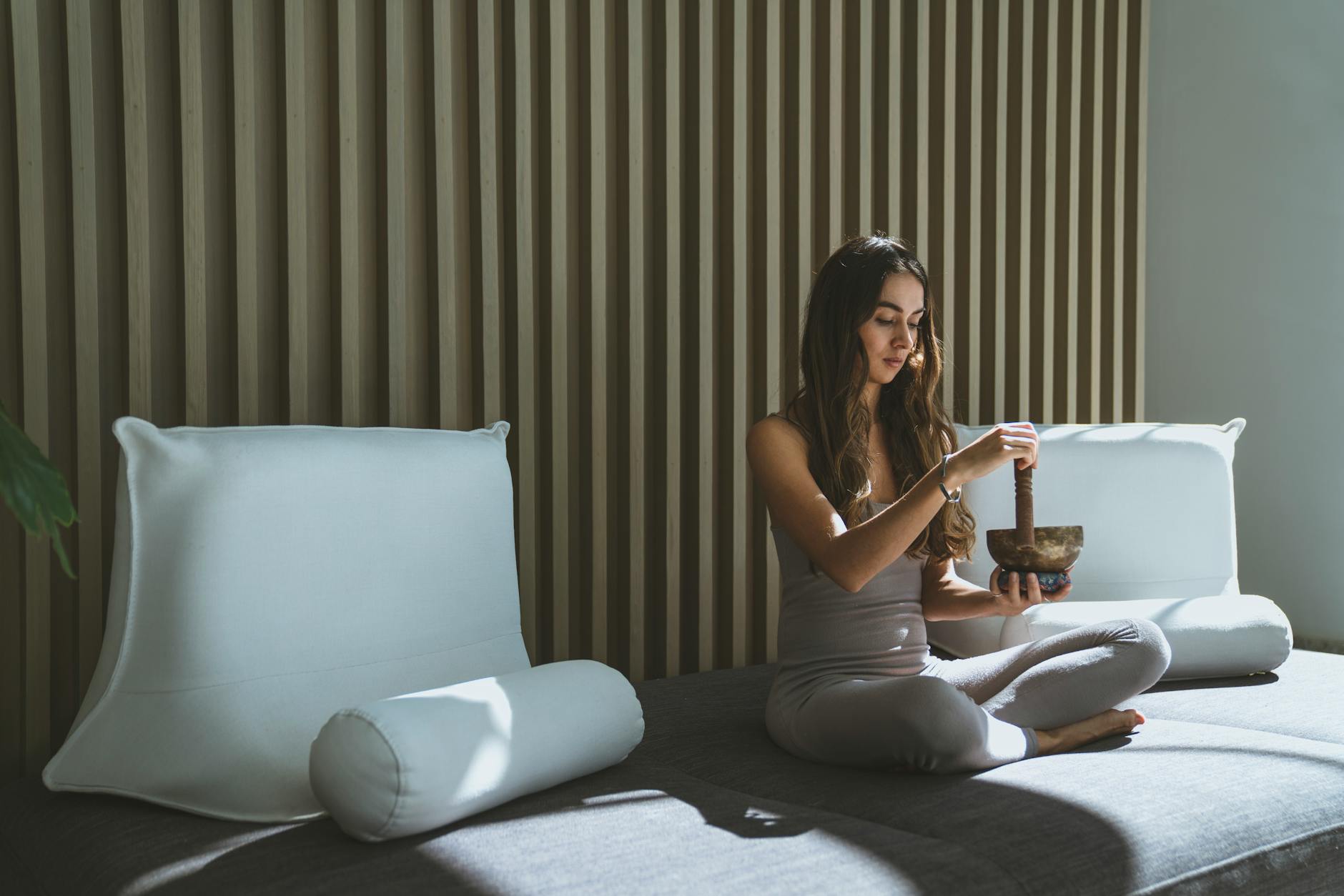
Corporate wellness programs begin acknowledging at-home meditation spaces in employee benefits discussions. Some companies now offer stipends for home office wellness improvements, recognizing that supporting employee mental health extends beyond traditional workplace boundaries.
The movement also reflects changing relationships with material possessions. Converting storage spaces into wellness areas requires reducing belongings, forcing practitioners to evaluate what they truly need versus what they habitually store. This aligns with broader minimalism trends that gained momentum during the pandemic.
Mental health professionals increasingly recommend environmental modifications as therapeutic interventions. Creating dedicated spaces for stress relief provides tangible tools for managing anxiety and burnout, particularly relevant as remote work arrangements become permanent for millions of Americans.
The closet meditation movement represents more than a design trend – it embodies remote workers’ determination to prioritize mental health within whatever space they have available. As housing costs rise and living spaces shrink, expect more creative wellness adaptations that transform overlooked corners into sanctuaries for the mind.
Frequently Asked Questions
How much does it cost to convert a closet into a meditation space?
Closet meditation conversions range from $50 for basic setups using LED strips and cushions to $2,000+ for professional installations with custom features.
What size closet works best for meditation?
Most successful conversions use closets at least 4×4 feet, though even smaller spaces work with fold-down seating and minimal accessories.