





Wealthy parents are paying thousands to have professional photographers and videographers document their children’s everyday moments – from morning routines to homework sessions. This emerging luxury service, known as childhood documentation, goes far beyond traditional family photos to create comprehensive archives of a child’s formative years.
The service has quietly grown among ultra-high-net-worth families who view these detailed records as both sentimental treasures and potential legacy assets. Professional childhood documentarians charge between $5,000 and $15,000 per month to discreetly capture authentic moments in children’s lives, creating polished video diaries and photo collections that families can preserve for generations.

Beyond the Traditional Family Album
Unlike posed family portraits or milestone photography, childhood documentation services focus on capturing unscripted moments throughout a child’s day. Professionals follow children during regular activities – breakfast conversations, art projects, playground interactions, and bedtime stories – using high-end equipment to create cinema-quality footage.
“Parents are realizing that childhood passes so quickly, and they want more than just birthday photos,” explains Maria Santos, a Los Angeles-based childhood documentarian who works with entertainment industry families. “They want to preserve their child’s personality, their voice at age four, the way they solve problems or interact with siblings.”
The service typically includes monthly edited video compilations, curated photo albums, and even audio recordings of conversations and storytelling sessions. Some providers offer additional services like transcribing children’s stories or creating time-lapse videos showing artistic development over months or years.
Tech entrepreneurs and entertainment executives have been early adopters, often hiring documentarians during significant life events like international moves, new sibling arrivals, or major family transitions. The documentation helps preserve normalcy and routine during periods of change that might otherwise blur together in memory.
The Technology Behind Memory Making
Professional childhood documentarians use sophisticated equipment typically reserved for commercial film production. Wireless microphone systems capture clear audio from across rooms, while mirrorless cameras with stabilization technology ensure smooth footage even during active play sessions.
Post-production involves color grading, professional editing, and music composition to create polished final products. Many services provide multiple formats – from Instagram-ready highlights to full-length documentary-style films that can run 30-60 minutes per month.
Cloud-based storage systems allow families to access their archives from anywhere, with some providers offering facial recognition tagging and searchable transcripts. Advanced packages include duplicate storage in multiple geographic locations to ensure preservation.
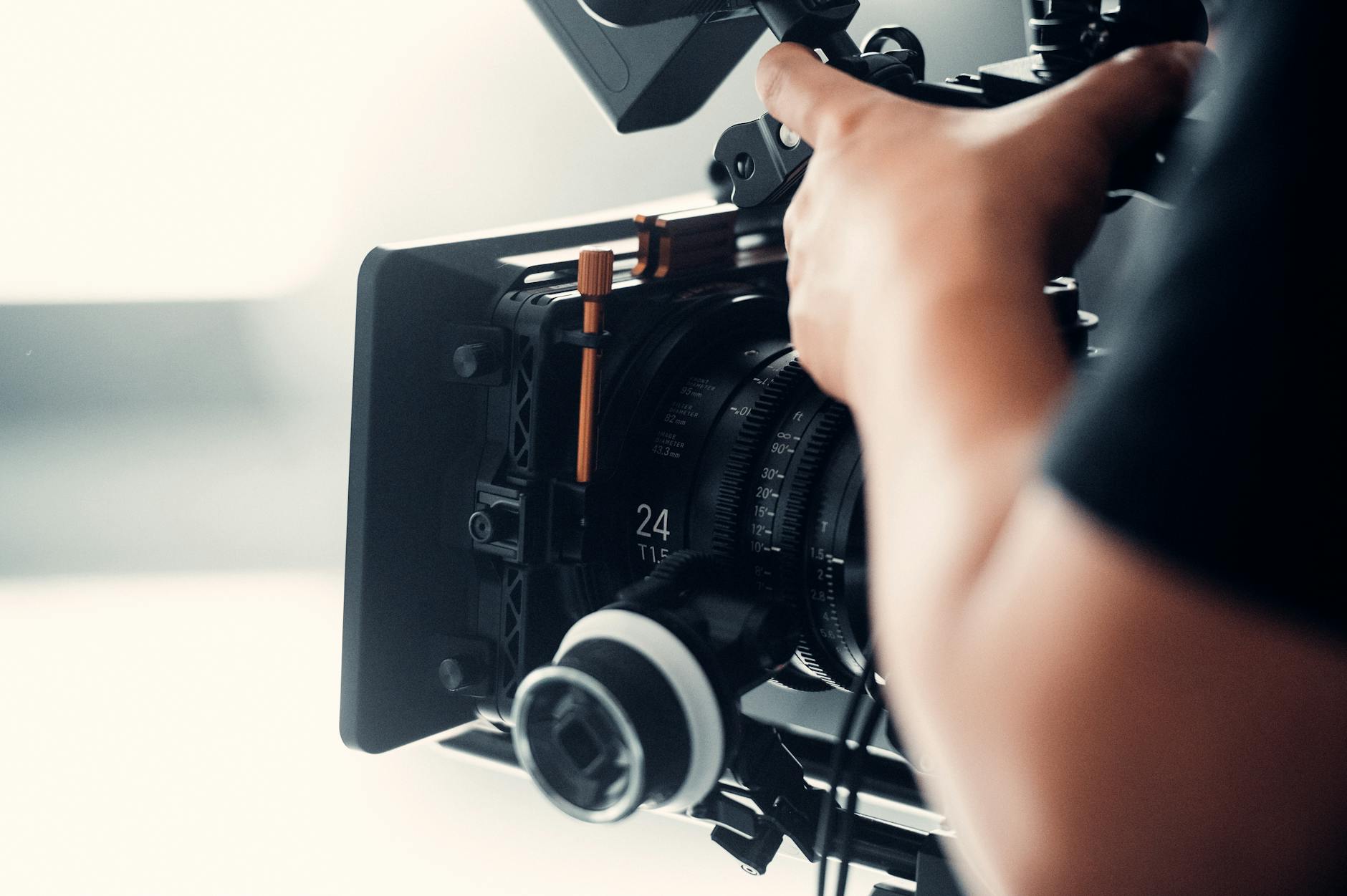
The documentation process requires careful coordination with household staff and family schedules. Professionals often spend full days with families, arriving early to set up discrete cameras and remaining late to capture evening routines. The goal is comprehensive coverage without disrupting natural family dynamics.
Privacy and Discretion Concerns
Families hiring these services prioritize discretion and security. Childhood documentarians typically sign extensive non-disclosure agreements and undergo background checks before accessing family homes. The intimate nature of the work requires trust between families and service providers.
Storage and data security protocols mirror those used by high-profile entertainment industry clients. Encrypted file transfers, secure cloud storage, and limited access controls protect sensitive family content from potential breaches or unauthorized sharing.
Some families establish specific boundaries around what can be documented, excluding private conversations or sensitive family discussions. Others create “documentation-free” zones in their homes where children can retreat from cameras when desired.
The rise of these services coincides with wealthy parents hiring other specialized support services, including professional apology writers for their children, highlighting the lengths affluent families go to manage and document their family experiences.
The Psychology of Permanent Documentation
Child development experts express mixed views about intensive documentation of childhood experiences. Some argue that comprehensive recording helps parents become more present and attentive to their children’s development, while others worry about the impact of constant observation on natural behavior.
Dr. Jennifer Walsh, a family psychologist who works with high-net-worth families, notes that documentation services can create valuable family archives but should complement rather than replace direct parental engagement. “The goal should be preserving memories, not creating performance,” she explains.

Families often report that reviewing documentation helps them notice patterns in their children’s development they might otherwise miss. Video archives reveal language development, problem-solving evolution, and relationship dynamics that become clearer when viewed over time.
The services also appeal to parents with demanding travel schedules who want detailed records of time spent with their children. Business executives and entertainment professionals use documentation to create meaningful family content during limited home time.
Investment in Family Legacy
Beyond immediate enjoyment, wealthy families view childhood documentation as legacy investments. Professional-quality archives become family heirlooms that can be shared with future generations, creating multimedia family histories that extend far beyond traditional photo albums.
Some families commission documentary-style projects that incorporate historical family footage, interviews with grandparents, and cultural context to create comprehensive family narratives. These extended projects can cost $50,000 or more but result in feature-length family documentaries.
The trend reflects broader changes in how affluent families approach child-rearing and memory preservation. As technology makes high-quality documentation more accessible, professional services offer expertise in storytelling, technical execution, and long-term archival preservation.
Industry observers predict continued growth in childhood documentation services as more families recognize the value of professional memory keeping. The intersection of available technology, family wealth, and desire for meaningful legacy preservation suggests this luxury service category will expand beyond its current high-net-worth niche in coming years.
Frequently Asked Questions
How much do professional childhood documentation services cost?
Services typically range from $5,000 to $15,000 per month, with extended documentary projects costing $50,000 or more.
What makes childhood documentation different from regular family photography?
These services focus on capturing unscripted daily moments using professional film equipment, creating comprehensive video and photo archives rather than posed portraits.