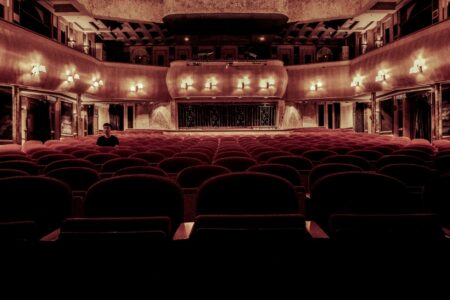





Every Tuesday night, a converted warehouse basement in Brooklyn transforms into something unexpected. No DJ booth, no bottle service, just a microphone, dim lighting, and dozens of young people hanging on every word. Welcome to the underground poetry scene that’s capturing Generation Z.
These intimate venues are popping up across major cities, creating spaces where TikTok natives trade scrolling for storytelling. The movement represents a striking shift from digital consumption to live performance, with young poets drawing crowds that rival comedy clubs and music venues.
From Smartphone Screens to Spoken Word
The numbers tell a compelling story. Poetry book sales among readers aged 18-24 jumped 35% in 2023, according to industry reports. Simultaneously, spoken word events in cities like Los Angeles, Chicago, and Atlanta report consistent sellouts, with some venues expanding their weekly poetry nights to accommodate demand.
Sarah Chen, a 22-year-old regular at Denver’s underground poetry collective “Raw Voices,” discovered the scene through Instagram. “I was doom-scrolling and saw this video of someone performing their poem about climate anxiety. The comments were all people asking where to find these events in their city.”
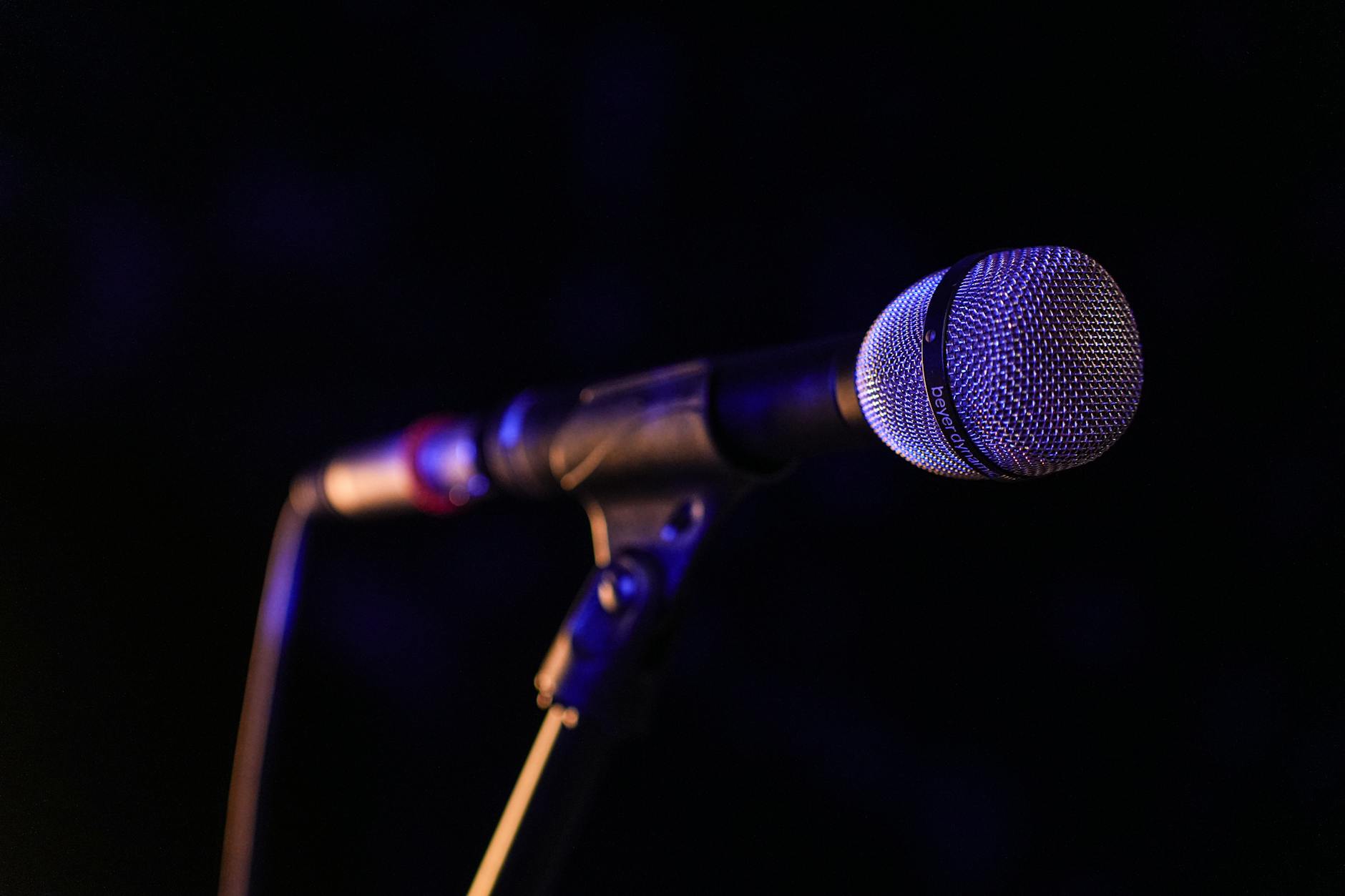
Unlike the coffee shop poetry readings of previous generations, these underground slams embrace contemporary themes. Mental health, social justice, dating app disasters, and student debt dominate the mic time. The aesthetic combines vintage microphones with LED strip lighting, creating an atmosphere that feels both nostalgic and futuristic.
Building Community Through Vulnerability
What sets these events apart is their emphasis on community over competition. Traditional poetry slams involve judges and scoring, but many underground venues have abandoned the competitive format. Instead, they focus on open mics, featured readers, and collaborative workshops.
Maya Rodriguez runs “Verses Underground” in Phoenix, which started in her garage and now fills a 200-capacity venue weekly. “We noticed that Gen Z responds differently to creative spaces. They want authenticity over polish, community over competition. Our events feel more like group therapy with better lighting.”
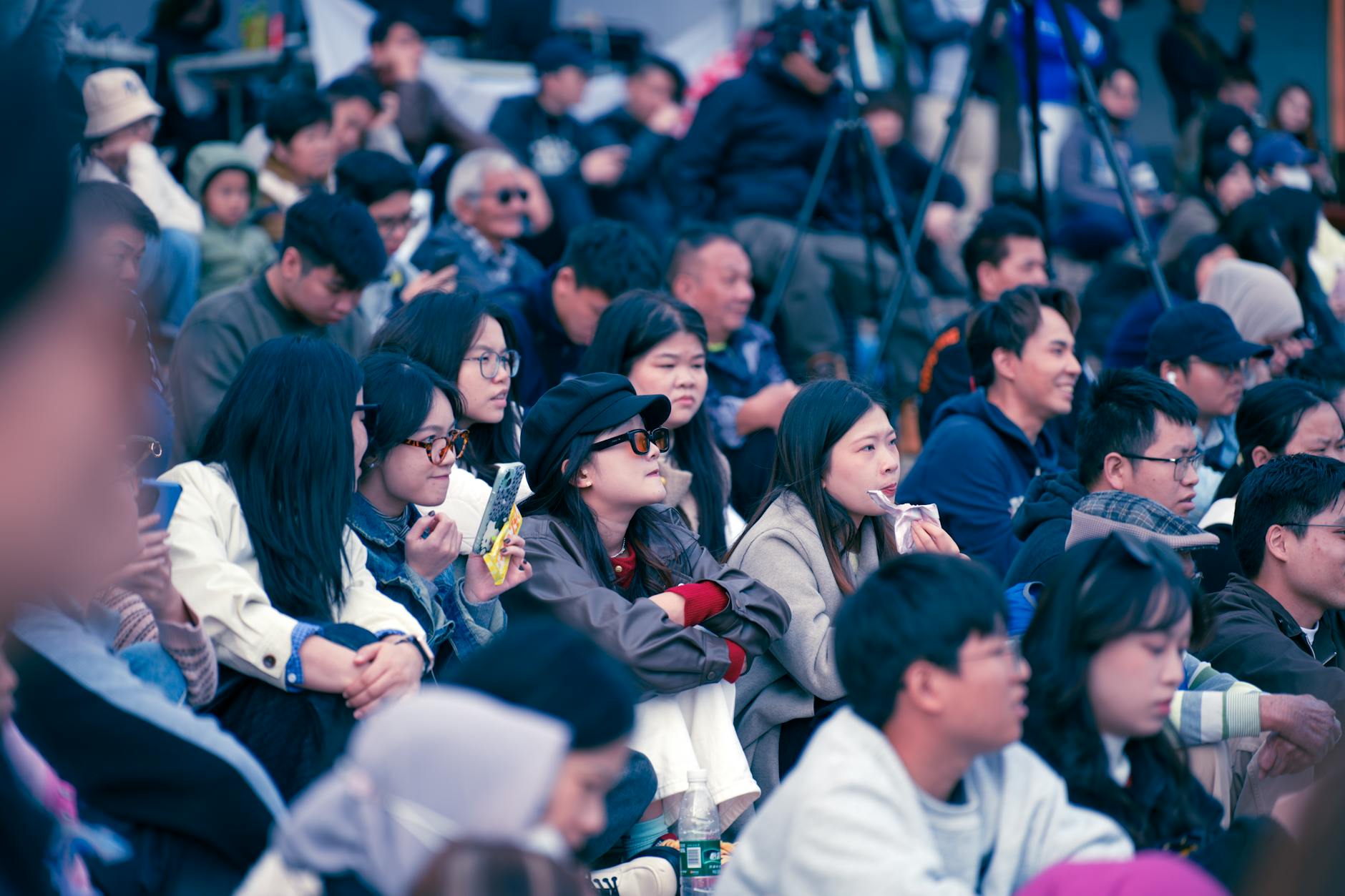
The demographic shift is striking. While poetry slams historically attracted older millennials and Gen X participants, these new venues report that 70% of their audience falls between ages 18-26. The content reflects this generational change, with poems addressing everything from pandemic isolation to cryptocurrency crashes.
Digital Influence on Live Performance
Paradoxically, social media has become the underground poetry scene’s greatest promotional tool. Performers share snippets of their work on TikTok and Instagram, driving traffic to live events. The hashtag #SpokenWord has accumulated over 2 billion views on TikTok, with short-form poetry videos regularly going viral.
This digital-to-physical pipeline mirrors broader cultural trends among Gen Z, who increasingly seek in-person experiences after years of screen-mediated interaction. Like the resurgence of tabletop gaming cafes, poetry venues offer something smartphones cannot: genuine human connection and immediate emotional response.
The performance style has evolved too. Today’s spoken word artists incorporate elements from rap, theater, and even ASMR techniques. They understand that their audience processes information differently, weaving in pauses, repetition, and visual cues that translate well both live and on social media.
Economic Impact and Venue Innovation
The underground poetry movement is creating unexpected economic opportunities. Independent venues report that poetry nights often outperform traditional live music in terms of consistent attendance and merchandise sales. Young audiences buy poetry books, branded apparel, and tickets to multi-city tours by emerging poets.
Venues are adapting their spaces accordingly. Former dive bars install better sound systems and mood lighting. Art galleries extend hours for evening poetry programming. Some entrepreneurs have opened poetry-specific venues, complete with book sales, café services, and recording capabilities for performers to capture their work.
The scene has also produced its own micro-economy of touring poets, event organizers, and social media specialists who help promote shows. Unlike traditional publishing, which can take years to develop talent, the underground scene allows poets to build audiences immediately and monetize their work through live performance, merchandise, and digital content.
The Future of Spoken Word Culture

Industry observers predict continued growth for underground poetry, particularly as Gen Z enters peak earning years and gains more disposable income for entertainment. The format’s flexibility allows it to adapt to different cities and cultures while maintaining its core appeal: authentic storytelling in an increasingly artificial world.
Several major cities are planning poetry festivals specifically targeting younger audiences, while streaming platforms explore live poetry programming. The movement’s success suggests that reports of poetry’s death were greatly exaggerated – it simply needed the right venue and the right generation to bring it back to life.
As these underground scenes mature, they’re beginning to influence mainstream culture. Major book publishers now scout poetry slams for new talent, and established poets are adopting techniques pioneered in these basement venues. The revolution that started in converted warehouses and garage spaces may ultimately transform how we think about poetry, performance, and community in the digital age.
Frequently Asked Questions
What makes underground poetry slams different from traditional poetry readings?
They emphasize community over competition, feature contemporary themes, and combine vintage aesthetics with modern technology to appeal to younger audiences.
How do Gen Z poets use social media to promote live events?
They share poetry snippets on TikTok and Instagram to build audiences, then drive followers to attend in-person performances for authentic connection.