



Sarah Chen never imagined she’d spend her Saturday morning crawling through Central Park’s underbrush, searching for edible plants with a group of strangers. The 28-year-old marketing executive from Manhattan had signed up for an underground foraging class after months of eating expensive takeout and feeling disconnected from her food sources. “I wanted to learn something my great-grandmother would have known instinctively,” she explains, carefully examining what her instructor identifies as wild garlic.
Chen represents a growing movement of urban millennials turning to ancient food skills as an antidote to modern disconnection. Foraging classes, once relegated to survival enthusiasts and herbalism circles, are now attracting tech workers, lawyers, and creative professionals willing to pay premium prices to learn what humans practiced for thousands of years before agriculture.
From Concrete Jungle to Edible Landscape
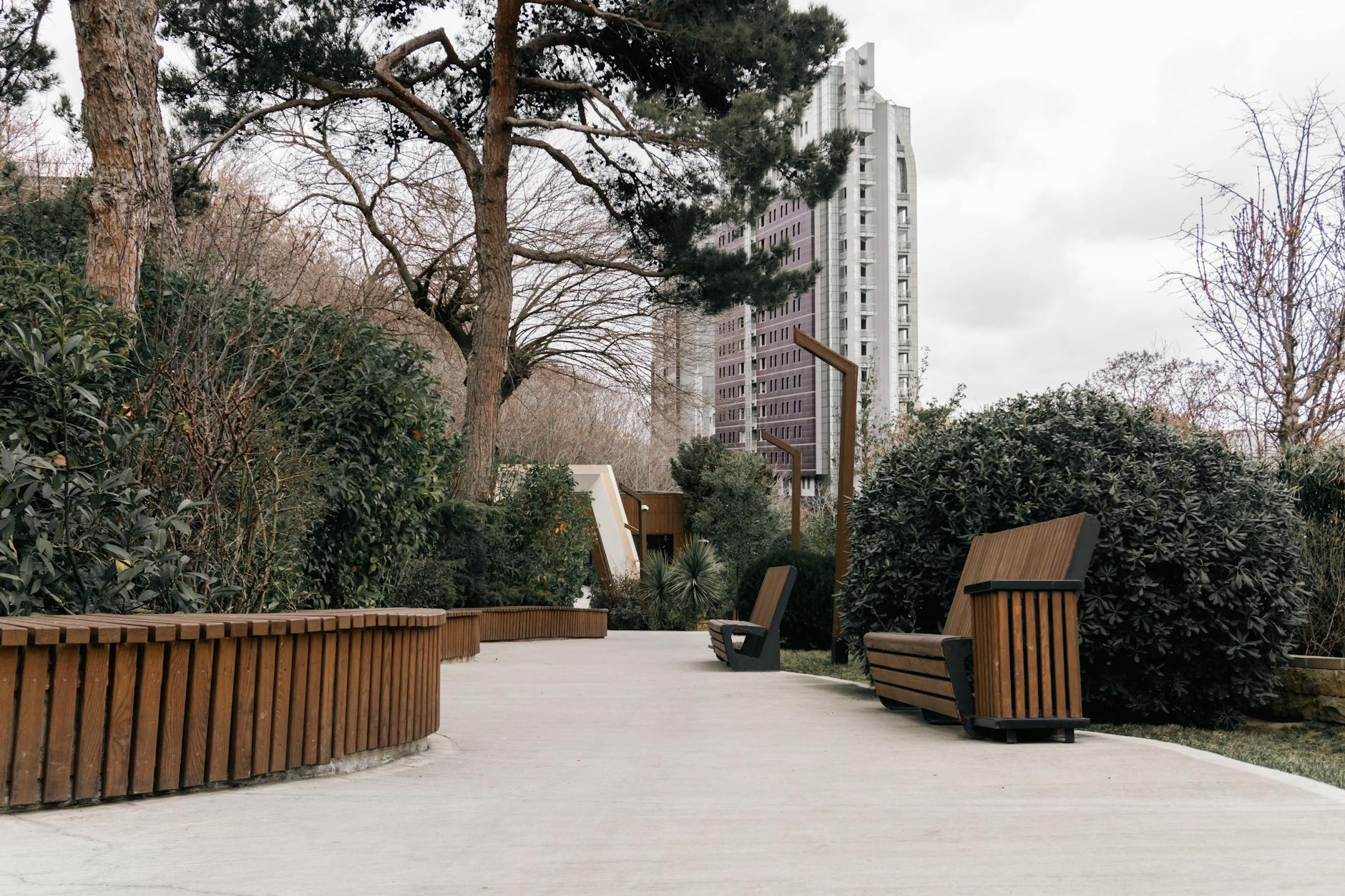
The modern foraging movement extends far beyond traditional wilderness settings. In cities across North America, certified instructors lead groups through urban parks, abandoned lots, and even carefully maintained public gardens to identify edible plants hiding in plain sight. These aren’t hippie communes or doomsday preppers – they’re mainstream professionals seeking authentic experiences in an increasingly digital world.
“We’re seeing a 300 percent increase in interest over the past three years,” reports Marcus Thompson, who runs Wild Urban Foods in Portland, Oregon. His weekend workshops regularly sell out at $150 per person, with waiting lists stretching months ahead. Participants learn to identify common edibles like dandelions, plantain, purslane, and various berries while navigating complex urban environments.
The appeal goes beyond simple food gathering. Many participants describe the experience as meditative, grounding, and surprisingly challenging. Unlike ordering groceries online or grabbing fast food, foraging requires patience, observation, and deep attention to seasonal cycles and environmental cues.
Safety remains paramount in legitimate foraging education. Professional instructors spend years studying botany, ecology, and local regulations before teaching others. They emphasize the critical importance of proper plant identification, sustainable harvesting practices, and understanding which areas are safe for gathering. Many urban foraging classes focus more on education and connection than actual food collection, given pollution concerns and legal restrictions in many city parks.
The Psychology Behind the Trend
Dr. Rebecca Martinez, a cultural anthropologist at UC Berkeley who studies food movements, sees foraging classes as part of a broader millennial desire for authentic, hands-on experiences. “There’s a growing anxiety about losing fundamental human skills,” she explains. “These classes offer a way to reconnect with ancestral knowledge while building community with like-minded people.”
The timing isn’t coincidental. As multi-generational living arrangements become more popular, younger generations are increasingly aware of the practical knowledge gaps between themselves and older family members. Foraging represents one way to bridge that divide.
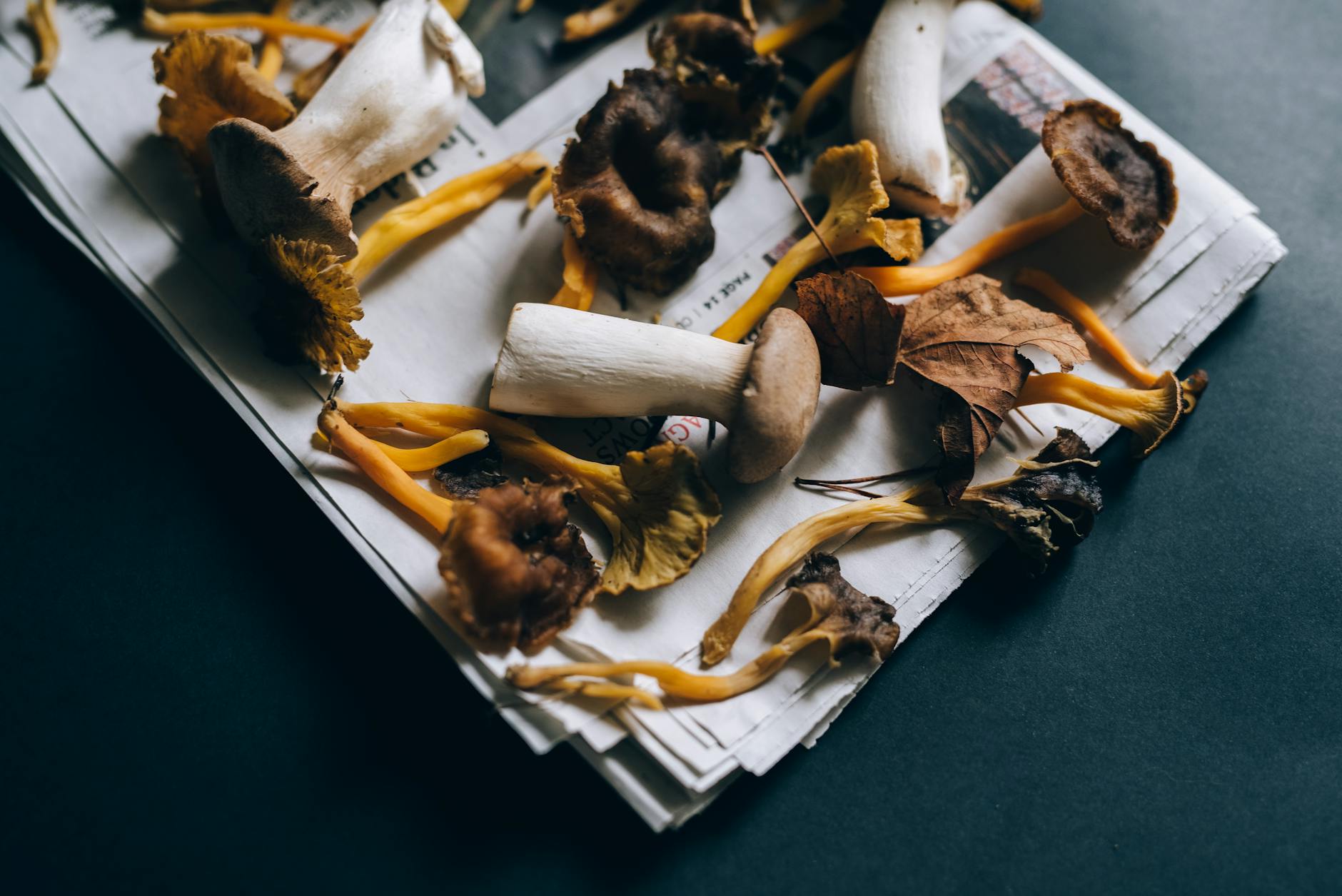
Social media amplifies the trend’s visibility. Instagram feeds overflow with carefully curated photos of foraged meals, wild mushroom hauls, and aesthetic shots of gathered herbs. The hashtag #urbanforaging has generated hundreds of thousands of posts, creating a digital community around ancient practices.
However, experts warn against the “Instagram effect” encouraging reckless behavior. Several high-profile cases of mushroom poisoning among amateur foragers have highlighted the serious risks involved in self-taught plant identification. Legitimate instructors stress that social media should inspire interest, not replace proper education.
The economic appeal also drives participation. While foraging classes cost upfront, participants often view them as investments in long-term food security and budget management. A single session might yield knowledge about dozens of free, nutritious plants available throughout growing seasons.
Building Community Through Ancient Skills
Beyond individual benefits, foraging classes create unexpected social connections in urban environments. Participants often describe forming friendships with classmates, sharing discoveries, and continuing to explore together after formal instruction ends.
“It’s like a book club, but for food,” explains Jennifer Park, a software engineer who’s taken multiple foraging workshops in San Francisco. “We text each other photos of plants we find during the week and plan group outings to different neighborhoods.”
These communities often extend into related activities: preserving workshops, wild plant cooking classes, and seasonal celebration gatherings. Some groups organize “foraging potlucks” where participants prepare dishes using their gathered ingredients, creating modern versions of ancient communal meals.
The knowledge sharing goes both directions. Instructors frequently learn from participants who bring diverse cultural backgrounds and family traditions about wild plant uses. Urban foraging classes become spaces where Korean grandmothers share knowledge about familiar weeds with tech entrepreneurs, and immigrant communities reconnect with plants from their home countries growing in American cities.
Professional networking happens organically in these outdoor classrooms. Participants regularly mention making business connections, finding roommates, or discovering romantic partners while learning to identify edible mushrooms or harvest wild berries.
Challenges and Considerations
The growing popularity of urban foraging raises legitimate concerns among environmentalists and park officials. Increased foot traffic in sensitive ecosystems can damage habitats, while over-harvesting threatens plant populations that wildlife depends on for survival.

Responsible foraging education emphasizes “leave no trace” principles and sustainable harvesting practices. Most reputable instructors teach the “rule of thirds” – never taking more than one-third of available plants in any location, and often taking far less. They also stress the importance of obtaining proper permissions for gathering and understanding local regulations.
Legal complexities vary dramatically by location. While some areas welcome educational foraging with permits, others strictly prohibit any plant collection in public spaces. Many classes focus primarily on identification and ecological education rather than actual harvesting to navigate these restrictions.
The rise of commercial foraging also creates tension with indigenous communities who’ve practiced these skills for generations. Some critics argue that commodifying traditional knowledge strips away cultural context and spiritual significance. Ethical instructors acknowledge these concerns and often collaborate with indigenous educators or donate portions of proceeds to relevant cultural organizations.
Quality control remains challenging as demand outstrips qualified instructors. The lack of standardized certification means participants must carefully research credentials and safety records before enrolling in programs.
As urban foraging classes continue expanding into mainstream culture, they represent more than just a trendy skill acquisition. They offer a pathway back to fundamental human knowledge that modern life has largely eliminated, creating communities around shared learning and seasonal awareness. Whether this trend evolves into lasting cultural change or remains a niche pursuit for anxious millennials will depend largely on how well practitioners balance ancient wisdom with contemporary responsibility.
Frequently Asked Questions
Are urban foraging classes safe for beginners?
Legitimate classes with certified instructors prioritize safety through proper plant identification training and sustainable harvesting education.
How much do urban foraging classes typically cost?
Most weekend workshops range from $100-200 per person, with some premium experiences costing more depending on location and duration.