


Your monthly bills tell a story about the slow erasure of ownership. Netflix replaced your DVD collection. Spotify eliminated your music library. Adobe Creative Suite became a monthly rental. Even cars now come with subscription-based features that shut off when you stop paying.
The subscription economy promised convenience and affordability, delivering endless entertainment and services for the price of a few coffee drinks each month. But after a decade of “everything as a service,” the real cost becomes clear: an entire generation is learning to live without owning anything permanent, creating unprecedented dependency on corporate platforms that can change terms, raise prices, or disappear entirely.
The Great Unbundling and Rebundling
The shift started innocuously enough. Cable TV was expensive and bloated with channels nobody watched, so Netflix offered a cheaper alternative with just the shows people wanted. Music piracy was rampant, so Spotify provided legal access to every song ever recorded for ten dollars monthly. Software was prohibitively expensive for individuals, so Adobe made professional tools accessible through monthly payments.
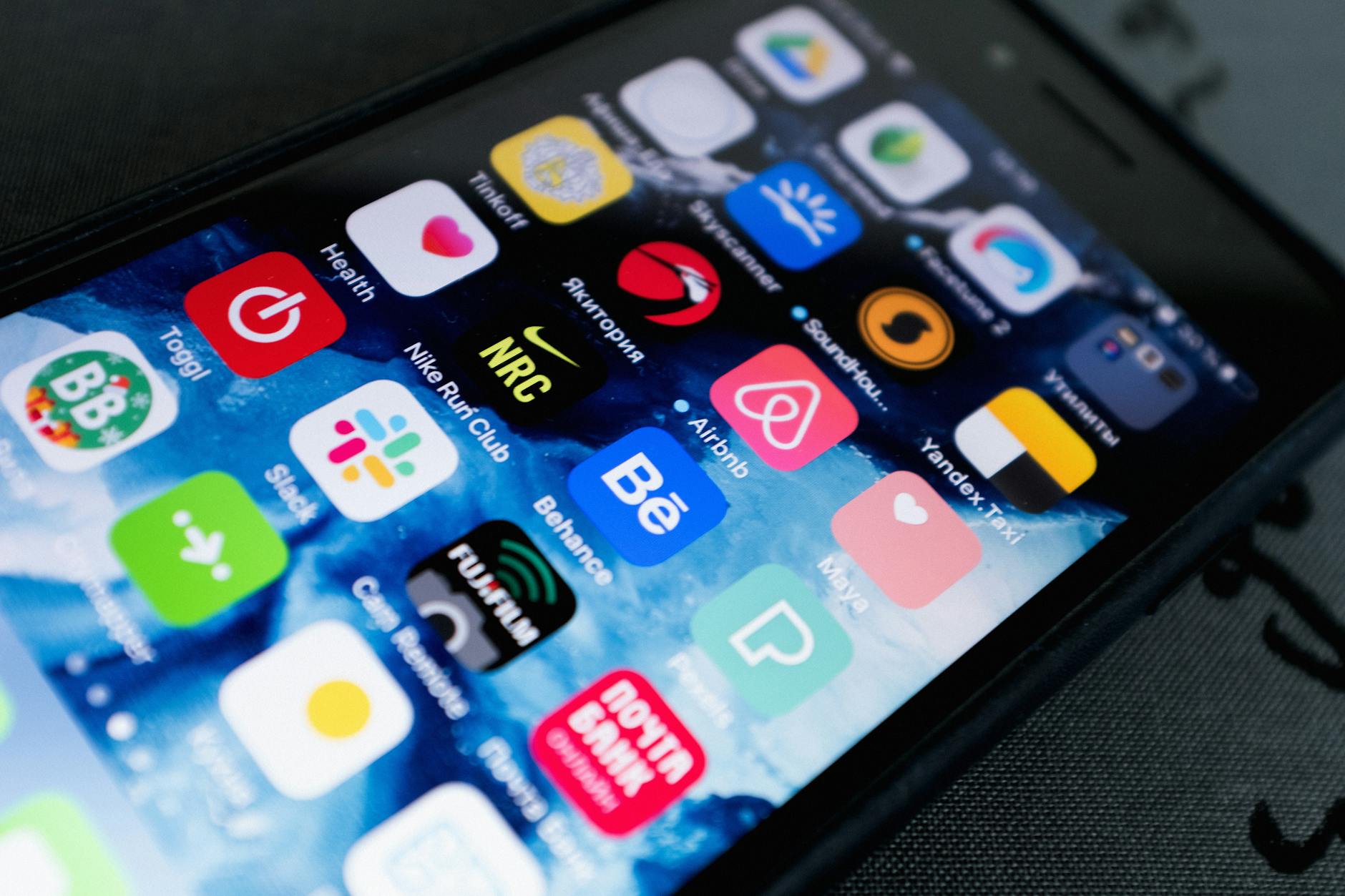
Each service solved a real problem, but collectively they’ve created a new one. The average American household now maintains over 15 different subscriptions, according to recent industry reports. Beyond entertainment, subscriptions have invaded every corner of consumer life: meal kits, razors, pet food, workout classes, meditation apps, password managers, cloud storage, and even car features like heated seats and premium sound systems.
What seemed like liberation from ownership’s burdens became a different kind of trap. Cancel Netflix, and years of viewing history and recommendations vanish. Stop paying for Spotify, and custom playlists disappear. Let an Adobe subscription lapse, and files become inaccessible. The convenience came with invisible strings attached.
The Psychology of Perpetual Payments
Subscription models exploit behavioral psychology in sophisticated ways. Monthly charges feel smaller than one-time purchases, even when the lifetime cost exceeds buying outright. A $10 monthly fee seems reasonable compared to a $120 annual charge, despite being identical. Companies know most people struggle with mental math on recurring payments.
The “set it and forget it” nature enables subscription creep. Services start cheap, then gradually increase prices, betting that consumers won’t notice small increments or find canceling too inconvenient. Disney Plus launched at $6.99 monthly and now costs $13.99 for ad-free viewing. Netflix has raised prices consistently since 2010, from $7.99 to $15.49 for standard plans.
Cancellation friction adds another layer of manipulation. Try canceling Amazon Prime and face multiple screens asking “Are you sure?” with dire warnings about losing free shipping. Gym memberships require certified letters or in-person visits. Magazine subscriptions auto-renew with buried opt-out clauses. The easier it is to sign up, the harder it becomes to leave.
Most insidiously, subscription services create learned helplessness around ownership alternatives. Young consumers increasingly don’t even consider buying music, movies, or software outright. The idea of owning a physical music collection or purchasing software once seems antiquated, even when it would cost less over time.
When Access Becomes Control
The shift from ownership to access fundamentally changes the relationship between consumers and products. Owners control their possessions, deciding when to use them, how to modify them, and whether to sell or lend them. Subscribers are granted conditional access that can be revoked unilaterally.
This dynamic enables unprecedented corporate control over consumer behavior. Netflix can remove shows without notice. Spotify can alter algorithms to promote certain artists over others. Adobe can force software updates that change workflows or add unwanted features. Car manufacturers can disable features remotely if payments stop, even for safety-related functions.
The control extends beyond individual products to entire ecosystems. Apple’s subscription bundle ties together music, TV, cloud storage, and gaming services, making it difficult to leave without losing access to everything at once. Google’s workspace subscriptions integrate email, documents, calendars, and photos so tightly that switching becomes a major life disruption.
Even physical products now depend on subscription services to function fully. Tesla cars receive over-the-air updates that can add or remove features based on subscription status. John Deere tractors require software subscriptions for repairs and maintenance. BMW briefly charged monthly fees for heated seats before customer backlash forced a reversal.
The trend mirrors historical patterns of corporate consolidation, but with a crucial difference. When Standard Oil dominated energy markets, consumers still owned their cars and could choose different gas stations. Today’s digital monopolies control the platforms themselves, making switching exponentially more difficult.
The Hidden Costs of Never Owning
Subscription advocates argue the model democratizes access to premium products and services. Poor consumers can enjoy the same entertainment and software as wealthy ones for affordable monthly fees. But this framing ignores the long-term wealth implications of permanent rental.
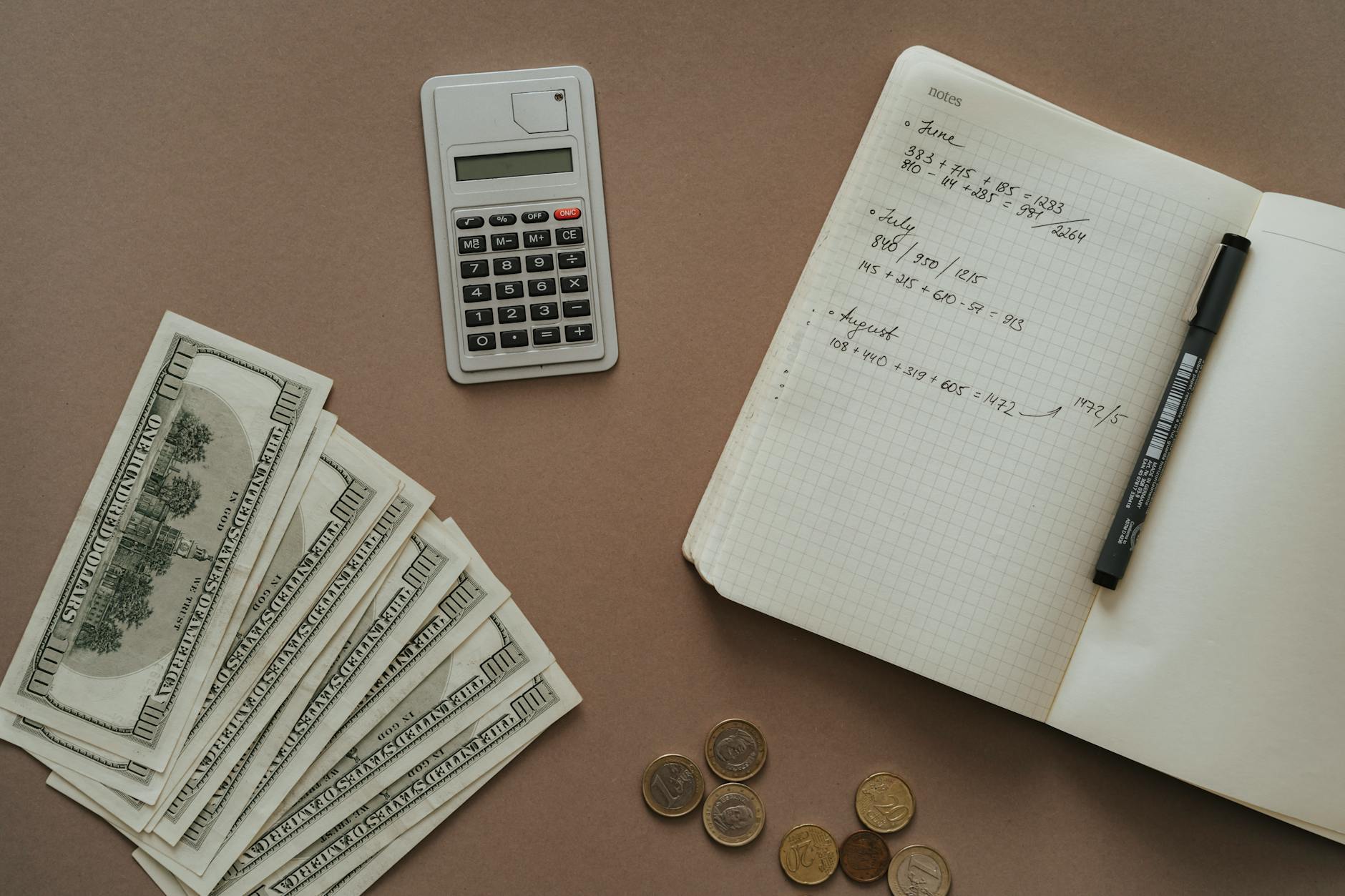
Ownership builds equity. Buy a house, car, or even a vinyl record collection, and you possess assets that retain some value. Subscriptions are pure expense with no residual worth. Spend $120 annually on Netflix for a decade, and you have nothing to show for $1,200 except expired access to entertainment.
The wealth transfer becomes more stark with essential services. Adobe Creative Suite once cost around $1,200 for perpetual licenses that lasted years. The current Creative Cloud subscription costs $54 monthly, totaling $648 annually. After three years, subscribers have paid more than the old perpetual license cost, with no permanent access to show for it.
Similar patterns emerge across industries, as companies recognize the revenue benefits of converting one-time sales into recurring payments. Microsoft Office shifted from perpetual licenses to Office 365 subscriptions. Autodesk moved professional software like AutoCAD to subscription-only models. Even traditionally ownership-based industries like automotive are exploring subscription features.
The psychological impact extends beyond individual finances. Ownership provides security and control that rental cannot match. Owning books, music, or movies means access regardless of internet connectivity, corporate decisions, or payment processing issues. Subscription dependence creates vulnerability to service outages, platform changes, and economic uncertainty.
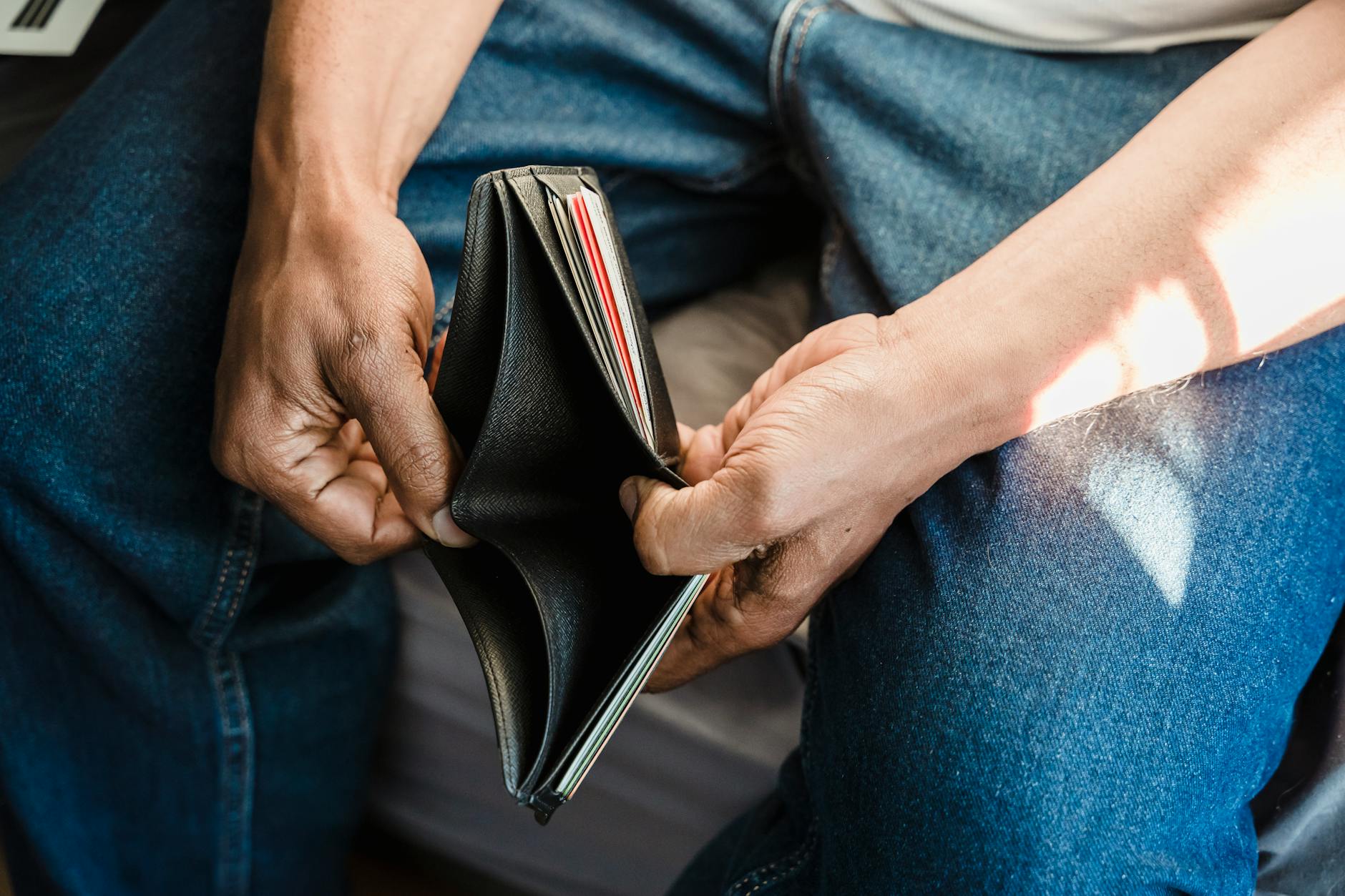
The subscription economy represents more than a business model shift-it’s a fundamental rewiring of consumer expectations around ownership and control. While individual services offer genuine value, the collective impact creates a society increasingly dependent on corporate platforms for basic digital needs.
The path forward requires conscious resistance to subscription creep and renewed appreciation for ownership where feasible. Buy music you love outright. Choose software with perpetual licenses when available. Support businesses that sell products rather than rent access to them.
Not every subscription is predatory, and some services genuinely work better as ongoing relationships than one-time purchases. But consumers must recognize when convenience becomes dependency, and when access becomes a substitute for the autonomy that true ownership provides. The future of consumer freedom may depend on remembering the difference.
Frequently Asked Questions
Why do companies prefer subscription models over one-time sales?
Subscriptions provide predictable recurring revenue and higher lifetime customer value than one-time purchases, while creating customer dependency.
Are subscriptions always more expensive than buying outright?
Not initially, but over time many subscriptions cost more than purchasing would have, with no permanent access or equity built.