




Board game cafes are reporting triple-digit growth in customer traffic since 2021, transforming from niche hobby spots into mainstream social destinations. These hybrid venues combine coffee shop atmosphere with extensive game libraries, creating spaces where strangers become friends over strategy games and lattes.
The pandemic fundamentally shifted how people approach social interaction. Digital fatigue from endless Zoom calls and social media scrolling has created hunger for tangible, face-to-face experiences. Board game cafes satisfy this craving by offering structured social interaction without the pressure of traditional nightlife or the isolation of solo activities.
Cities across America now host multiple board game cafes where none existed five years ago. Portland leads with over a dozen locations, while smaller markets like Chattanooga and Burlington have seen their first gaming cafes open to immediate success. Industry reports show the tabletop gaming market has grown 23% annually since 2020, with cafes driving much of this expansion.

The Perfect Storm of Social Needs
Modern social anxiety meets analog solutions in these carefully curated spaces. Board game cafes remove traditional social barriers by providing shared activities and neutral territory. Unlike bars or clubs, these venues attract diverse age groups and social types united by curiosity rather than alcohol or music preferences.
The structured nature of games creates natural conversation starters and breaks awkward silences. Regulars at The Game Table in Austin report meeting romantic partners, business collaborators, and lifelong friends through weekly game nights. Owner Sarah Martinez notes that 40% of her customers arrive alone but leave with phone numbers and plans for future gaming sessions.
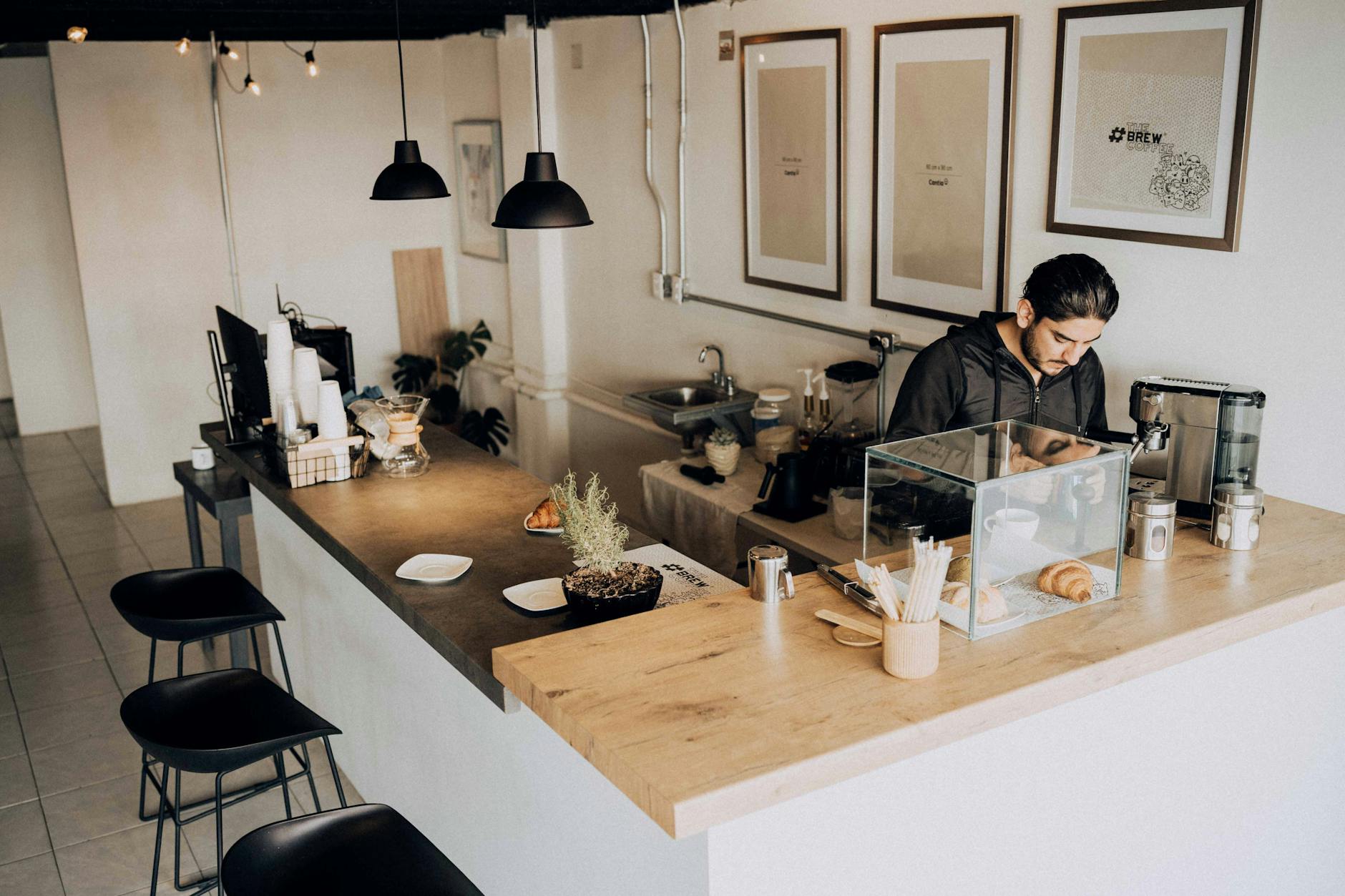
These venues also fill a crucial gap in third spaces – public areas that aren’t home or work. Traditional third spaces like libraries, community centers, and coffee shops often lack interactive elements. Board game cafes combine the comfort of familiar environments with engaging activities that naturally foster connections.
The business model proves surprisingly resilient. Unlike traditional restaurants dependent on table turnover, board game cafes benefit from longer customer stays. Groups typically spend 2-4 hours per visit, ordering multiple drinks and snacks while playing. This creates higher per-customer revenue despite slower table turnover.
Beyond Monopoly: The Modern Gaming Renaissance
Today’s board game cafes stock sophisticated titles far removed from childhood Monopoly marathons. Games like Wingspan, Ticket to Ride, and Azul offer strategic depth while remaining accessible to newcomers. Trained staff members, often called “game gurus,” help customers select appropriate games and teach complex rules.
The learning curve becomes part of the social experience. Couples discover communication styles through cooperative games like Pandemic, while competitive titles like Splendor reveal hidden strategic minds. Game selection algorithms based on group size, experience level, and time constraints help cafes maximize customer satisfaction.
Many locations host specialized events targeting specific communities. LGBTQ+ game nights, neurodivergent-friendly sessions, and beginner-only evenings create inclusive environments where everyone feels welcome. The Game Cafe Network, spanning twelve cities, reports that themed nights generate 60% higher attendance than general gaming sessions.
Tournament leagues add competitive elements for serious players while maintaining casual atmospheres. Weekly tournaments for games like Magic: The Gathering and Pokemon draw regular crowds, creating micro-communities within larger venues. Prize pools often include store credit and exclusive game releases rather than cash, keeping focus on fun over profit.
The educational aspect appeals to parents seeking screen-free family activities. Weekend family game sessions teach children mathematical concepts, strategic thinking, and social skills through play. Many cafes offer kid-friendly sections with age-appropriate games and earlier hours to accommodate family schedules.
Building Community Through Competition and Cooperation
Board game cafes excel at creating regular social rhythms in increasingly fragmented social landscapes. Weekly groups form around specific games or general socializing, providing consistent social contact that many people lack in modern life. These relationships often extend beyond gaming into broader friendships and support networks.
The venues attract demographics traditionally underserved by nightlife industries. Introverts appreciate structured social interaction with clear rules and objectives. Older adults find welcoming environments without loud music or late hours. International students and recent transplants use gaming cafes to practice English and meet locals in low-pressure settings.
Corporate team-building events have become significant revenue streams for many locations. Companies book private parties featuring collaborative games designed to improve communication and problem-solving skills. This business-to-business market provides steady weekday income while introducing new customers to casual gaming.
Romance blooms over resource management and deck building. Dating apps now include “board game enthusiast” as relationship criteria, while speed-dating events at gaming cafes pair couples over quick card games. The shared activity removes typical first-date pressure while revealing personality traits through gameplay choices.
Gaming cafes also serve as cultural bridges in diverse communities. Language barriers dissolve over universal game mechanics, while cultural exchange happens naturally through game selections from different countries. International games like Japanese-style board games and European strategy titles introduce players to different design philosophies and cultural approaches to competition and cooperation.
Economic Impact and Industry Growth
The economic ripple effects extend beyond individual cafes into broader entertainment and hospitality sectors. Board game publishers report increased sales in markets with established gaming cafes, creating symbiotic relationships between manufacturers and venues. Local artists find commission work creating custom game pieces and cafe decorations.
Real estate developers now specifically court board game cafes as anchor tenants in mixed-use developments. These businesses attract foot traffic during traditionally slow hours and appeal to educated demographics that support surrounding retail. Property managers report that gaming cafes increase overall mall or shopping center dwell time by an average of 45 minutes per visit.
Franchise opportunities are emerging as successful independent locations prove the business model. Snakes & Lattes, originating in Toronto, now operates locations across North America through franchise agreements. The Board Room, starting in Washington DC, has expanded to multiple East Coast cities with standardized game libraries and training programs.
Employment opportunities range from part-time game teachers to full-time event coordinators and business managers. Industry growth creates jobs requiring unique skill combinations: customer service abilities, game knowledge, and community building expertise. Some locations employ professional game designers and tournament organizers as specialists.
The future of tabletop gaming cafes looks expansive as post-pandemic social habits solidify. Industry analysts predict continued growth as younger generations prioritize experiential spending over material purchases. Cities planning entertainment districts increasingly include board game cafes in development plans alongside traditional restaurants and bars.
These venues represent more than business trends – they’re cultural responses to digital overwhelm and social fragmentation. As remote work normalizes and digital natives seek authentic connections, board game cafes provide tested solutions for age-old human needs: community, challenge, and conversation. The dice have been cast, and the results point toward continued expansion of this uniquely modern interpretation of ancient social gaming traditions.
Similar cultural shifts are transforming other creative industries, as seen in how Comic-Con has evolved into America’s largest creative job fair, demonstrating how traditional entertainment formats adapt to contemporary social and economic needs.
Frequently Asked Questions
What makes board game cafes different from regular coffee shops?
Board game cafes provide extensive game libraries, trained staff to teach games, and longer stay times focused on social interaction rather than quick transactions.
Are board game cafes suitable for beginners who don’t know complex games?
Yes, most cafes employ “game gurus” who help select appropriate games and teach rules to newcomers of all experience levels.