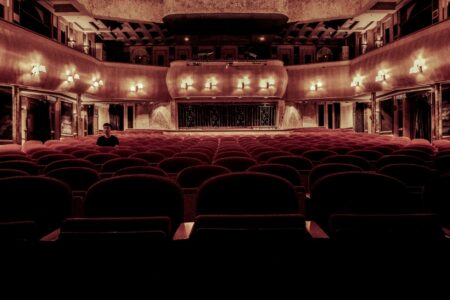





The sound of silence has never been more valuable. Across major cities, a new type of coffee shop is emerging where conversation is discouraged, phone calls are banned, and the only acceptable sounds are the gentle hum of espresso machines and the soft tapping of laptop keys.
These “silent coffee shops” are transforming how remote workers approach their daily grind, creating sanctuaries of productivity in an increasingly noisy world. Unlike traditional cafes where animated conversations and business calls create a constant buzz, these establishments enforce strict quiet policies that turn coffee culture on its head.
The trend started gaining momentum in 2023, particularly in tech hubs like San Francisco, Seattle, and New York, where remote workers struggled to find consistent quiet spaces for deep work. Now, cities from Austin to Portland are seeing their own versions of these hushed havens.
The Quiet Revolution in Cafe Culture
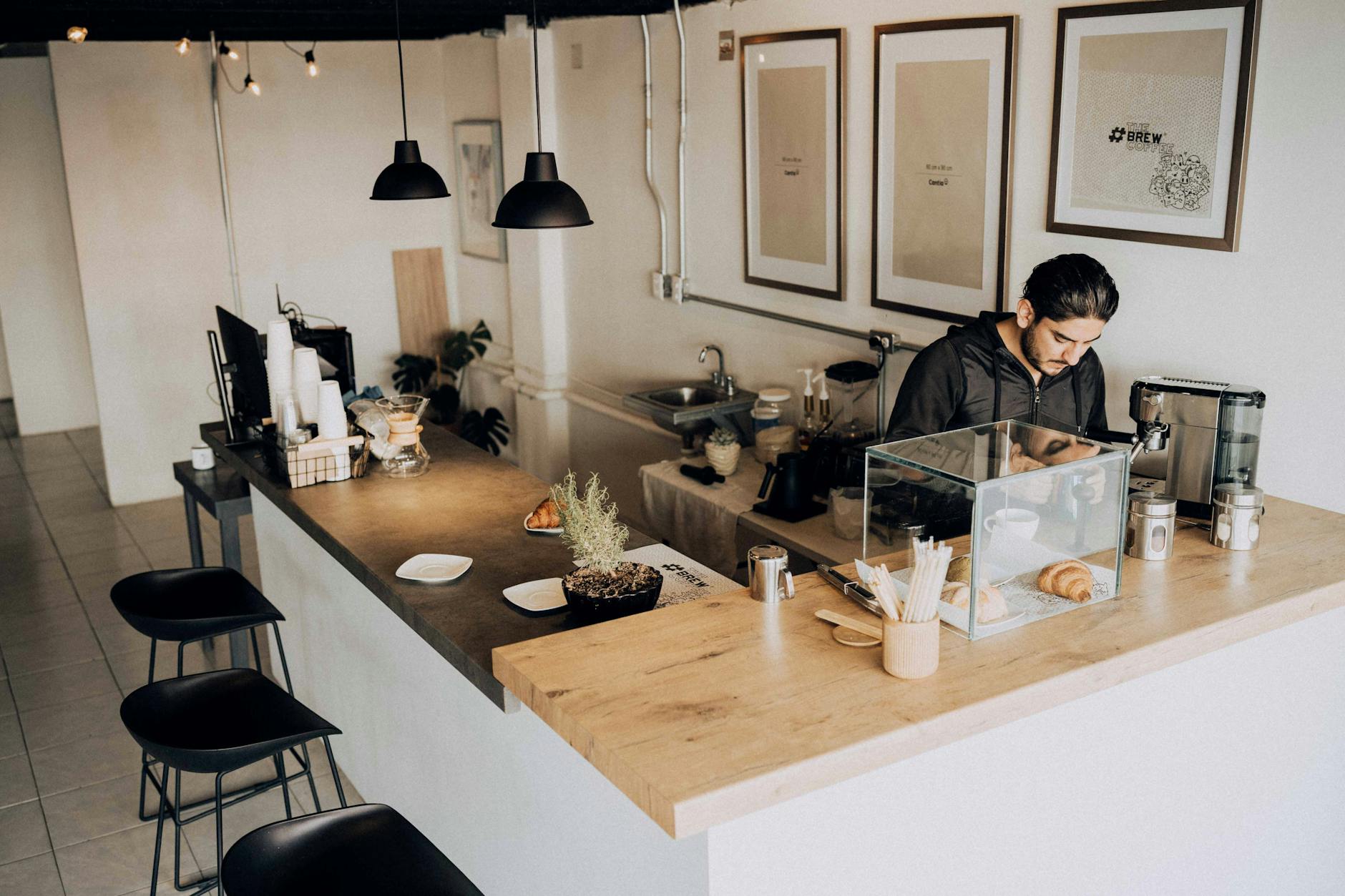
Silent coffee shops operate on a simple premise: some people need absolute quiet to do their best work. These establishments typically enforce noise levels below conversational volume, with many posting decibel meters and gentle reminders about their quiet policies.
The Library Coffee Co. in San Francisco pioneered many of these practices, installing sound-dampening materials and creating designated phone-free zones. Their model has inspired similar concepts nationwide, with each location adapting the silent approach to local needs.
Most silent coffee shops use visual cues rather than verbal announcements. Baristas communicate through hand signals or written notes, order numbers appear on silent digital displays, and customers receive their drinks through gentle taps on the shoulder rather than name calls.
The design elements support the mission. Soft furnishings, carpeted floors, and acoustic panels replace the hard surfaces that typically amplify sound in traditional cafes. Many feature library-style individual workstations with built-in power outlets and adjustable lighting.
Meeting the Demands of Remote Work Culture
The rise of remote work created an unexpected challenge: where to work when home isn’t conducive to productivity. Coworking spaces filled part of this need, but their monthly fees put them out of reach for many freelancers and remote employees.
Silent coffee shops bridge this gap by offering professional-grade work environments without membership requirements. Customers purchase beverages and food as they would at any cafe, but gain access to spaces specifically designed for focused work.
These venues typically see their busiest hours between 9 AM and 3 PM, when remote workers seek alternatives to home offices. Many regulars report significantly higher productivity levels compared to working in traditional cafes or shared spaces.

The demographic skews heavily toward knowledge workers: software developers, writers, consultants, and students preparing for exams. Many customers work in industries requiring deep concentration or handle sensitive phone calls that benefit from guaranteed quiet environments.
Business Models Built on Silence
Operating a silent coffee shop requires rethinking traditional cafe economics. These establishments often charge slightly higher prices to compensate for potentially longer customer stays and lower table turnover rates.
Many implement minimum purchase requirements during peak hours or offer day passes that include unlimited coffee refills. Some have introduced membership tiers that provide reserved seating or extended hours access.
The business model works particularly well in areas with high concentrations of remote workers or near universities. Locations typically require less front-of-house staff since order taking and customer service happen mostly through digital interfaces or written communication.
Several chains are emerging to standardize the silent coffee shop experience. Quiet Coffee, which started in Portland, has announced plans to expand to twelve cities by 2025. Their franchisees report average customer stays of 3-4 hours, significantly longer than traditional cafes.
The Social Psychology of Productive Silence
The appeal of silent coffee shops taps into deeper psychological needs around focus and social presence. Research in environmental psychology suggests that people often work better in the presence of others, even without direct interaction – a phenomenon known as “body doubling.”
These spaces provide the social energy of being around other people while eliminating the distractions that typically come with it. Customers report feeling more accountable and motivated when surrounded by others engaged in focused work.
The enforced quiet also creates an unspoken community. Regular customers develop recognition without ever speaking, sharing knowing nods and respectful behavior that reinforces the productive atmosphere.
This mirrors broader cultural shifts toward mindful consumption and intentional living. Just as underground mending circles teach repair skills as an antidote to fast fashion, silent coffee shops offer slow productivity as an alternative to the constant stimulation of modern work environments.
The Future of Quiet Commerce
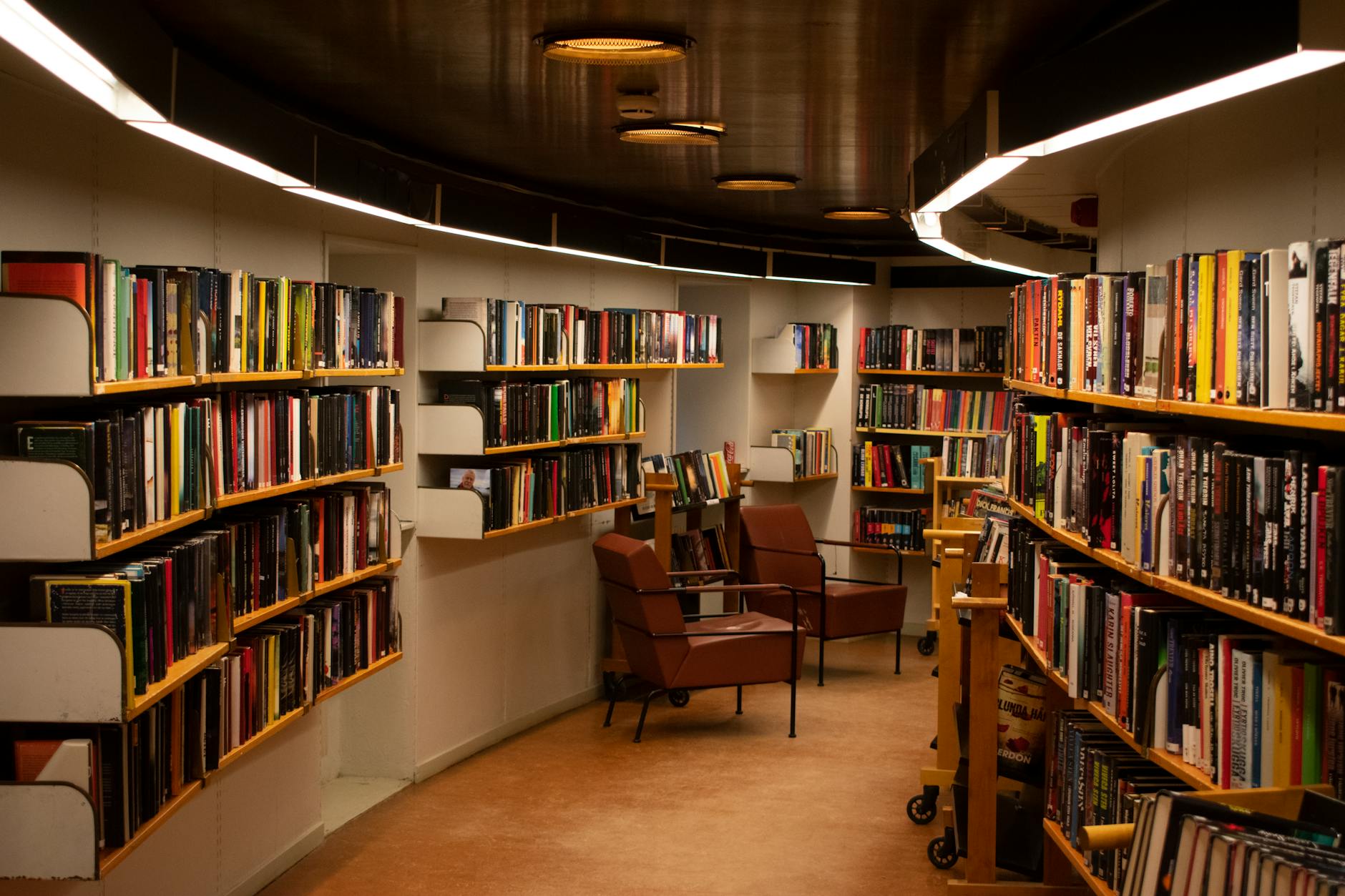
The success of silent coffee shops is inspiring similar concepts in other industries. Silent co-working spaces, quiet bookstores with work areas, and even silent restaurants for solo diners are appearing in major cities.
Technology is enhancing these concepts rather than replacing them. Apps that allow advance ordering, noise-monitoring systems that provide real-time feedback, and reservation platforms specifically for quiet workspaces are becoming standard features.
The trend suggests a larger cultural shift toward valuing focused attention as a premium commodity. As remote work continues evolving and urban environments become more stimulating, spaces that offer guaranteed quiet may become as essential as high-speed internet once was.
Silent coffee shops represent more than just a business trend – they’re addressing fundamental changes in how we work and what we value in shared spaces. For a generation raised on constant connectivity, the luxury of productive silence is proving worth paying for.
Frequently Asked Questions
What makes a coffee shop “silent”?
Silent coffee shops enforce strict quiet policies, banning conversation and phone calls while maintaining noise levels below conversational volume.
How much do silent coffee shops typically charge?
Prices are usually slightly higher than regular cafes, with some implementing minimum purchase requirements or day passes during peak hours.