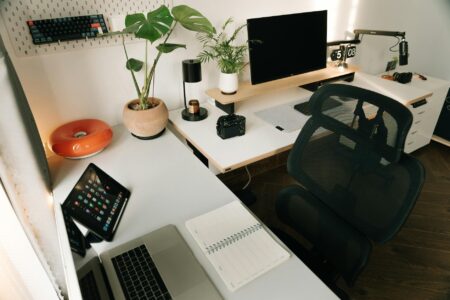





Remote workers across the country are discovering that their home offices have become cluttered command centers of chaos. What started as temporary work-from-home setups in 2020 have evolved into permanent arrangements filled with multiple monitors, forgotten equipment, and years of accumulated office supplies. Enter professional decluttering services, experiencing unprecedented demand as remote workers seek to reclaim their spaces and boost productivity.
The industry, once focused primarily on helping downsizing retirees and overwhelmed families, has pivoted to serve a new clientele: professionals who suddenly find themselves working full-time in spaces never designed for office use. Companies like The Home Edit, ConMarie Media, and local organizing specialists report booking months in advance as remote workers invest in their home environments.
From Bedroom to Boardroom: The Remote Work Space Challenge
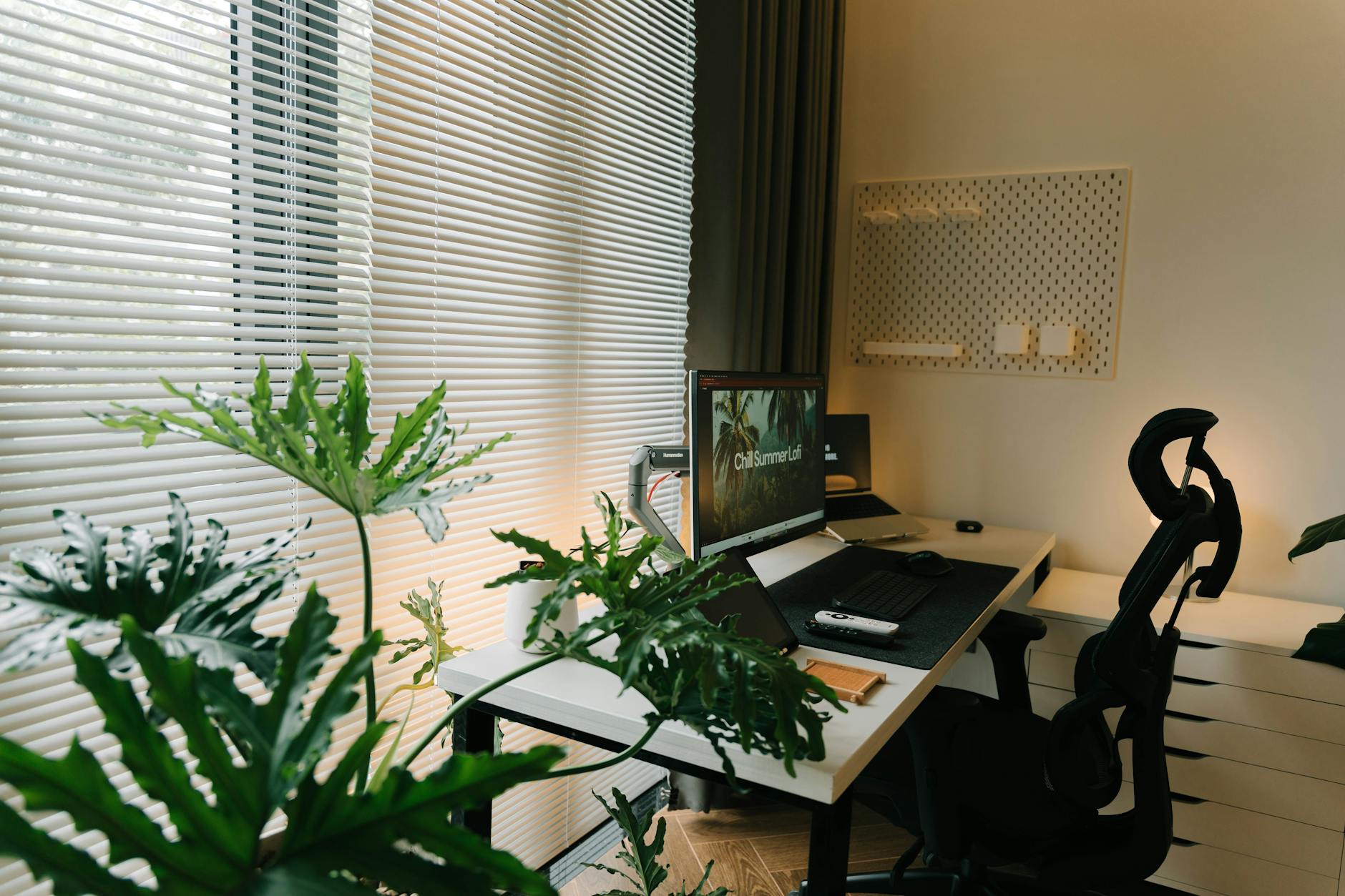
The shift to remote work created unique organizational challenges that traditional office workers never faced. Sarah Chen, a marketing director in Portland, Oregon, describes her spare bedroom transformation: “What started as a laptop on a folding table became three monitors, a printer, a scanner, two desk lamps, and boxes of supplies I ordered ‘just in case.’ By 2023, I couldn’t even close the closet door.”
Professional organizers report that remote workers struggle with specific issues: cable management from multiple devices, storage for both personal and professional items in the same space, and the psychological boundary between work and home life when clutter blurs those lines.
KonMari-certified consultant Jessica Rodriguez has seen her client base shift dramatically. “Pre-2020, maybe 15% of my clients mentioned home offices. Now it’s closer to 70%. People realize that a cluttered workspace directly impacts their mental clarity and job performance.”
The financial aspect plays a significant role. Remote workers often expense organizational services as business costs, making professional decluttering more accessible than before. Companies like Automattic, GitLab, and Buffer have even begun offering stipends for home office improvements, including organizational services.
The Psychology of Remote Work Clutter
Dr. Amanda Foster, an environmental psychologist at UC Berkeley, has studied the relationship between workspace organization and remote work productivity. Her research indicates that visual clutter in home offices creates measurably higher cortisol levels during video calls and focused work sessions.
“When your bedroom doubles as your conference room, every personal item visible during a Zoom call becomes a cognitive burden,” Foster explains. “Professional organizers aren’t just moving objects – they’re creating psychological boundaries that remote workers desperately need.”
The phenomenon connects to broader trends in wellness and productivity optimization. Just as wealthy parents are investing in professional childhood documentation services to preserve family memories, remote workers are hiring organizers to curate their professional environments.
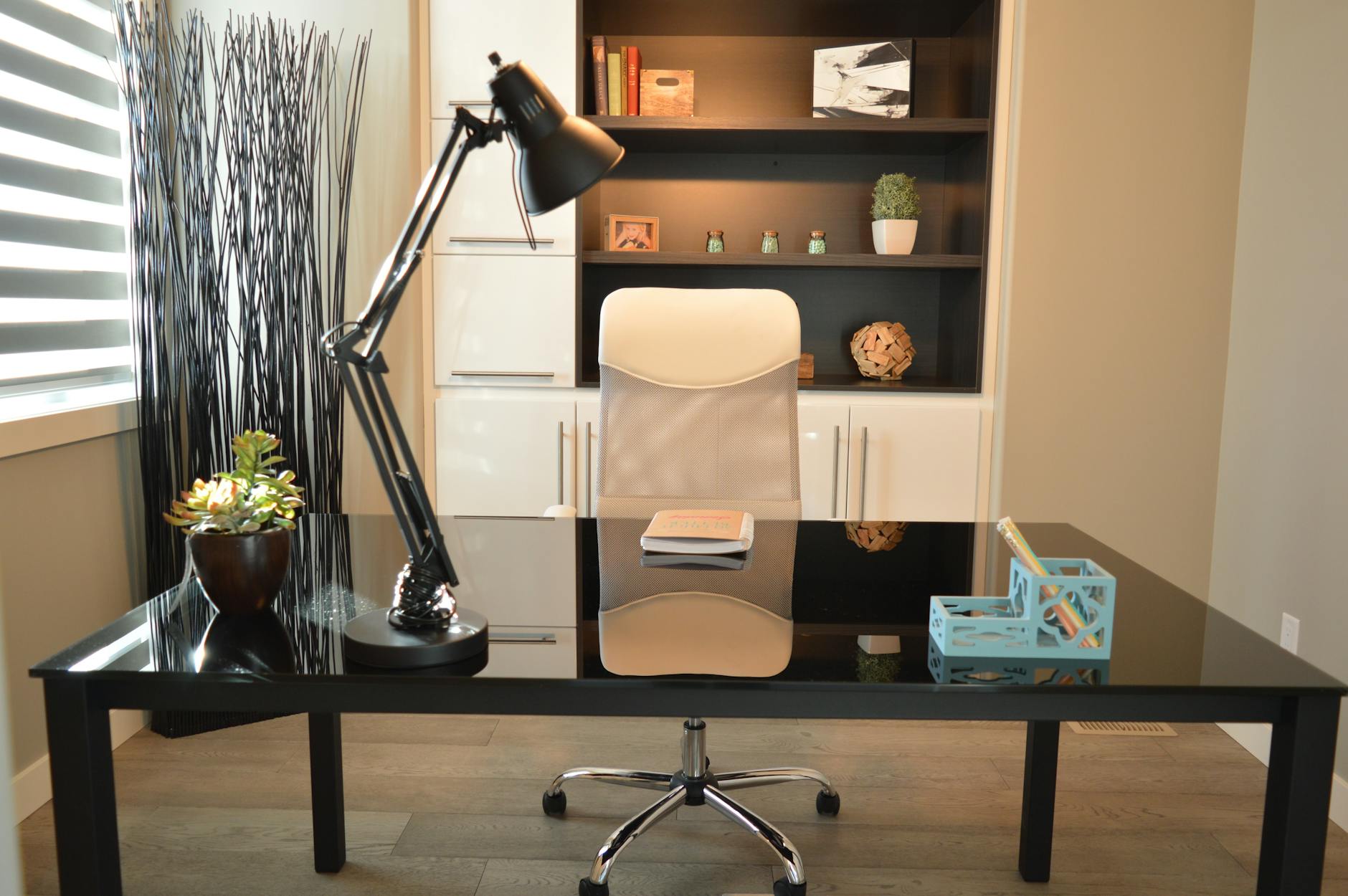
Professional declutterer Marie Williams, who operates Clarity Spaces in Austin, Texas, notes the emotional aspect of remote work organization. “Clients often become overwhelmed not just by the physical clutter, but by the constant reminder that their personal space has been colonized by work. We’re helping them reclaim their homes while honoring their professional needs.”
The service typically costs between $75-150 per hour, with most remote worker projects requiring 6-12 hours spread across multiple sessions. Popular services include cable management, filing system creation, storage solutions for equipment that isn’t used daily, and creating visual barriers between work and personal areas.
Industry Growth and Specialization
The National Association of Productivity and Organizing Professionals (NAPO) reports that membership has grown by 40% since 2020, with many new members specializing specifically in remote work environments. This specialization requires understanding technology needs, ergonomics, and the unique challenges of shared spaces.
Companies like Neat Method and Sort and Sweet have developed remote work packages that include virtual consultations, customized organization systems, and follow-up maintenance plans. The virtual consultation aspect has democratized access – clients in smaller cities can work with top organizers from major metropolitan areas.
Local organizing businesses have also benefited. In suburban markets where remote work adoption rates are highest, small organizing companies report doubling or tripling their revenue since 2021. Many have developed partnerships with furniture stores, office supply retailers, and ergonomic specialists to offer comprehensive workspace solutions.
The trend has spawned adjacent services: professional cable management specialists, home office designers focused on organization, and even companies that specialize in creating storage solutions for tech equipment that changes frequently.
Looking Forward: The Future of Organized Remote Work
As remote work becomes permanently embedded in corporate culture, the demand for professional organization services shows no signs of slowing. Emerging trends include quarterly maintenance services, seasonal equipment rotation systems, and specialized organization for hybrid workers who split time between home and office.

Technology is also evolving to support organized remote work. Apps like Sortly and Organize My House help maintain organization systems between professional visits, while smart storage solutions and modular furniture designed for small spaces address the physical constraints many remote workers face.
The psychological benefits extend beyond productivity. Organized remote workers report better work-life balance, improved focus during video calls, and reduced anxiety about unexpected virtual meetings. As one client put it: “Knowing my background is professionally organized gives me confidence in every call.”
Professional decluttering for remote workers represents more than a trend – it’s a fundamental shift in how we think about workspace design and mental health. As the line between home and office continues to blur, the services that help maintain that crucial psychological separation become increasingly valuable. The investment in professional organization isn’t just about aesthetics; it’s about creating sustainable, productive environments where remote workers can thrive for years to come.
Frequently Asked Questions
How much do professional decluttering services cost for remote workers?
Services typically cost $75-150 per hour, with most remote worker projects requiring 6-12 hours across multiple sessions.
What specific challenges do remote workers face with home office organization?
Common issues include cable management, storage for mixed personal and professional items, and creating psychological boundaries between work and home spaces.