





Sarah Chen discovered she had 47,000 photos on her iPhone last month. The marketing executive from San Francisco realized she hadn’t looked at family vacation pictures from 2019, couldn’t find her grandmother’s birthday photos from last year, and had seven nearly identical shots of her morning coffee cluttering her camera roll. Like millions of Americans drowning in digital memories, Chen decided to hire help.
Professional photo archivists are experiencing unprecedented demand as smartphone users accumulate tens of thousands of images with no organization system. These digital decluttering specialists sort, categorize, and preserve personal photo collections, charging between $25 to $75 per hour to transform chaotic camera rolls into searchable, meaningful archives.
“I used to think hiring someone to organize photos was ridiculous,” Chen admits. “But when I realized I was spending entire weekends just trying to find one picture, it became clear this was a real problem requiring professional help.”

The Digital Hoarding Crisis
Americans now take over 1.4 trillion photos annually, according to industry research. The average smartphone user stores 2,000 to 5,000 photos on their device, with many accumulating far more. Cloud storage services like Google Photos and iCloud have eliminated storage anxiety, inadvertently encouraging digital hoarding behaviors.
Professional organizer Maria Rodriguez launched her photo archiving service in Denver three years ago after clients repeatedly asked for help managing digital memories. “People hire me to organize their closets, then mention they have 20,000 unorganized photos,” Rodriguez explains. “The emotional overwhelm is identical – they know precious memories are buried somewhere, but accessing them feels impossible.”
The service has expanded to include three full-time archivists. Rodriguez’s team sorts photos chronologically, removes duplicates, creates themed albums for events like graduations and weddings, and establishes naming conventions that make future searching effortless.
Digital photo chaos affects more than convenience. Psychology research suggests disorganized photo collections can trigger anxiety and prevent people from revisiting positive memories that boost mental health. When meaningful moments become lost in digital clutter, their emotional benefit diminishes significantly.
Professional Services and Pricing Models
Photo archiving services operate through various business models. Some professionals charge hourly rates ranging from $25 to $75, depending on location and complexity. Others offer flat-rate packages – typically $200 to $500 for basic organization of 5,000 to 10,000 photos.
New York-based archivist Jennifer Walsh specializes in family photo collections spanning multiple devices and decades. Her clients often arrive with photos scattered across old computers, external hard drives, smartphones, and social media platforms. “I recently worked with a family who had wedding photos on four different devices, vacation pictures buried in email attachments, and baby photos they couldn’t find anywhere,” Walsh recounts.
The process begins with comprehensive photo gathering from all sources. Professional archivists use specialized software to identify and eliminate duplicates, which often comprise 30-40% of personal collections. They then create folder structures organized by year, event type, or family member, depending on client preferences.
Advanced services include facial recognition tagging, location-based organization, and creation of physical photo books featuring archived highlights. Some archivists also provide basic photo editing, correcting lighting issues and removing digital artifacts from older images.
Technology Meets Personal Touch
Professional photo archivists combine automated tools with human curation. Software can identify duplicates and group similar photos, but human judgment determines which vacation sunset photo captures the moment best or which family gathering deserves prominent placement.

“Technology does the heavy lifting, but emotional intelligence guides the process,” explains Marcus Thompson, who founded a photo archiving service in Austin. “Clients don’t want their wedding photos mixed with random food pictures, even if both were taken the same weekend.”
Thompson’s team uses AI-powered tools to identify faces, locations, and objects within photos, but manually reviews every organizational decision. The hybrid approach ensures technical efficiency while preserving the personal significance clients seek.
Many services also address the growing concern of digital preservation. Professional archivists create multiple backup copies across different storage platforms, ensuring family photos survive device failures or account issues. Some offer annual maintenance services, organizing new photos and maintaining the established system.
The trend mirrors other lifestyle services targeting time-pressed professionals. Just as plant caretaking services have emerged for busy travelers, photo archiving addresses a specific modern problem with professional solutions.
Beyond Organization: Rediscovering Forgotten Memories
Clients frequently report unexpected emotional benefits from professional photo organization. Jennifer Walsh recalls a client who rediscovered photos of her late father that had been buried in thousands of unsorted images. “She started crying when I showed her an album I’d created of him with her children,” Walsh remembers. “She’d forgotten those pictures existed.”
The service often reveals patterns in people’s lives they hadn’t recognized. One client discovered they’d unconsciously documented their child’s growth through monthly photos taken at the same playground. Another realized they’d captured their grandmother’s declining health through family gathering photos, creating an unintentional visual timeline of precious final months.
Professional archivists also help families prepare for major life transitions. Divorce proceedings often require separating shared photo collections. Estate planning increasingly includes digital photo organization, ensuring families can access memories after technology-savvy relatives pass away.
Some services extend beyond individual clients to small businesses needing event photo organization or content creators managing thousands of product images. The skills transfer across contexts where visual memories require systematic management.
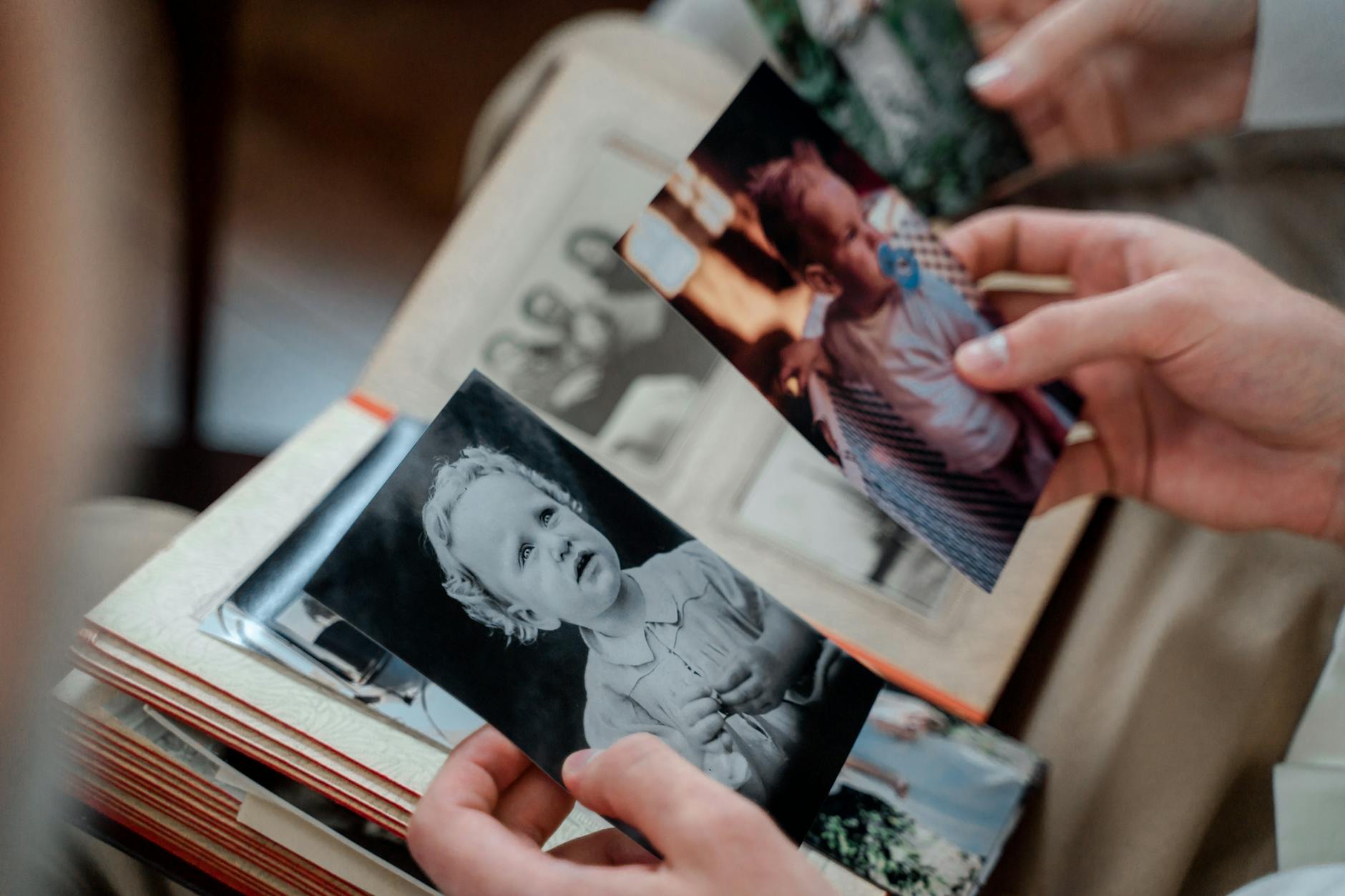
The photo archiving industry reflects broader changes in how Americans manage digital overwhelm. As urban professionals seek offline connections and authentic experiences, organizing existing digital memories becomes equally important as creating new ones.
Industry professionals predict continued growth as smartphone photography increases and cloud storage becomes ubiquitous. Generation Z, despite their digital nativity, often struggles with photo organization, suggesting demand will persist across age groups.
The trend also highlights evolving definitions of valuable possessions. Previous generations organized physical photo albums and scrapbooks; today’s families require professional help managing digital equivalents that contain exponentially more images but lack physical structure.
As Americans continue accumulating digital memories faster than they can organize them, professional photo archiving services offer a practical solution to a distinctly modern problem. The industry transforms overwhelming digital collections into accessible, meaningful archives that preserve family histories for future generations.
Frequently Asked Questions
How much do professional photo archivists charge?
Photo archivists typically charge $25-75 per hour or offer flat-rate packages of $200-500 for organizing 5,000-10,000 photos.
What services do photo archivists provide?
They sort photos chronologically, remove duplicates, create themed albums, establish naming systems, and often provide backup storage solutions.