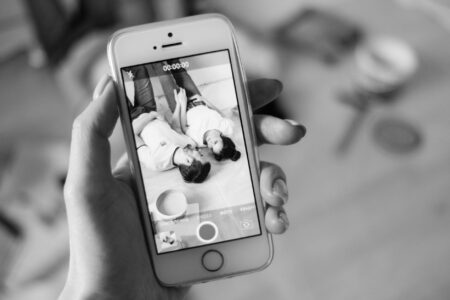





The announcement drops on Instagram Stories at exactly 11:47 PM on a Tuesday. A black screen with white text: “Taking a break from social media to focus on my mental health. See you soon xoxo.” Within minutes, screenshots flood Twitter. The comments pour in: “So brave!” “We’ll miss you!” “Take care of yourself queen!”
By Thursday morning, the same person is posting sponsored content for a wellness retreat. The “break” lasted 36 hours.
This scenario plays out dozens of times daily across platforms, performed by everyone from A-list celebrities to micro-influencers with 10,000 followers. Social media breaks have evolved from genuine digital detoxes into carefully orchestrated marketing campaigns, complete with dramatic announcements, strategic timing, and inevitable comebacks that generate more engagement than ever.
The Anatomy of a Performative Digital Detox
The modern social media break follows a predictable script. First comes the buildup-cryptic posts about “needing space” or “prioritizing peace.” Then the grand announcement, often accompanied by sunset photos or minimalist graphics with inspirational quotes. The language is deliberately vague yet emotionally charged: “toxic environment,” “reclaiming my energy,” “listening to my heart.”
Justin Bieber has mastered this art form, announcing multiple Instagram breaks over the years, each generating massive media coverage and fan concern. His 2019 hiatus from Instagram lasted several months, spawning countless articles about his mental health journey. When he returned, his first post received over 10 million likes.
Celebrities like Millie Bobby Brown and Tom Holland have also made headlines with their break announcements, framing departure as self-care while ensuring maximum visibility for their exit. The irony is unmistakable-using social media to announce you’re leaving social media creates more buzz than simply going quiet.
The timing of these announcements reveals their calculated nature. They rarely coincide with actual low-activity periods. Instead, they drop during peak engagement hours, ensuring maximum reach before the “departure.” Screenshots circulate on other platforms, extending the announcement’s lifecycle beyond its original context.
When Wellness Becomes Content Strategy
The commercialization of mental health awareness has created a perfect storm for performative breaks. Wellness culture demands authenticity, vulnerability, and self-care narratives that resonate with audiences seeking genuine connection. Social media breaks tick every box-they’re relatable, admirable, and create narrative tension.
Influencers have discovered that break announcements generate extraordinary engagement rates. Comments sections become support groups, with followers sharing their own struggles with social media addiction. The announcement becomes content in itself, often outperforming regular posts by significant margins. This engagement boost translates directly to algorithmic favor when creators inevitably return.
The wellness industry has capitalized on this trend, partnering with influencers to promote digital detox retreats, meditation apps, and mindfulness courses. A well-timed break announcement can seamlessly transition into sponsored content for mental health platforms or self-care products. The break becomes the setup; the return becomes the sales pitch.
Corporate meditation apps, as explored in recent analysis of the mindfulness industry, have particularly benefited from this trend, positioning themselves as solutions for social media-induced anxiety while simultaneously relying on social media for marketing.

The Economics of Artificial Scarcity
Marketing professionals recognize the power of scarcity in driving demand. Limited-time offers, exclusive drops, and “last chance” campaigns all exploit our fear of missing out. Social media breaks operate on the same principle-they create artificial scarcity around a creator’s presence, making their eventual return feel like an event.
This scarcity extends beyond individual accounts to entire platforms. When rumors spread about potential Instagram shutdowns or Twitter policy changes, user engagement spikes as people scramble to preserve connections and content. Break announcements tap into this same urgency, encouraging followers to engage heavily with the departure post and promise to “support” the creator upon return.
The comeback post consistently becomes the creator’s highest-performing content in months. Followers who haven’t engaged recently resurface to welcome them back. The algorithm, interpreting this surge as high-quality content, pushes the return post to wider audiences. The break effectively becomes a reset button for declining engagement rates.
Some creators have gamified this process, turning breaks into countdown campaigns or teasing cryptic return dates. The break announcement includes promises of “big changes” or “exciting news” upon return, ensuring audience retention during the absence period.
The Authenticity Paradox in Digital Spaces
The most troubling aspect of performative breaks isn’t their calculated nature-it’s how they obscure genuine mental health struggles. When every departure is announced with fanfare, actual crises become harder to identify. The performative element has contaminated legitimate conversations about social media’s psychological impact.
Real digital detoxes rarely begin with announcements. They emerge from genuine overwhelm, anxiety, or burnout-states that don’t lend themselves to crafting perfect goodbye posts. People experiencing actual social media addiction or platform-related mental health issues often disappear quietly, without warning or explanation.
The performative break trend also perpetuates the idea that self-care must be public to be valid. It suggests that personal well-being requires audience validation and community support, rather than private reflection and genuine rest. This dynamic mirrors the broader issue of how social media has turned private experiences into content opportunities.
Celebrity apology videos have become performative theater for brand recovery, and break announcements follow similar patterns-they prioritize public perception over authentic change. Both phenomena reveal how digital platforms have transformed personal struggles into content categories.

The future of social media breaks likely involves even more sophisticated strategies. We’re already seeing “soft breaks” where creators post less frequently while maintaining regular Stories updates. Some announce breaks from certain platforms while increasing activity on others, effectively redirecting their audience rather than truly stepping away.
The wellness industry’s continued growth ensures that break announcements will remain profitable. As mental health awareness expands, creators have more sophisticated language and frameworks to justify their departures, making performative breaks harder to distinguish from genuine ones.
Perhaps the solution isn’t calling out performative breaks but creating space for quiet departures. Platforms could implement features that allow users to step away without announcement, reducing the pressure to perform their absence. Until then, the cycle continues-creators leaving with fanfare, audiences responding with validation, and authentic digital wellness getting lost in the performance.
The most radical act in today’s attention economy might not be announcing your departure-it might be simply, quietly, going.
Frequently Asked Questions
Why do social media breaks generate so much engagement?
Break announcements create artificial scarcity and tap into audiences’ fear of missing out, often becoming creators’ highest-performing content.
How can you tell if a social media break is genuine?
Genuine breaks rarely involve elaborate announcements and tend to happen quietly without fanfare or promises of exciting returns.