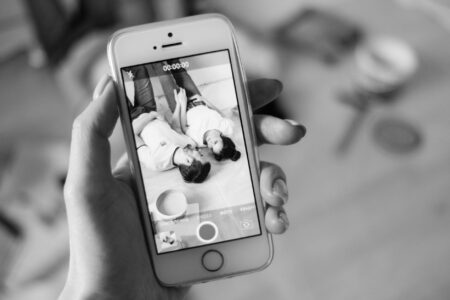





Madison Chen’s Instagram story shows her rushing to the emergency plant clinic at 11 PM, cradling a drooping monstera like a sick child. The crisis? A single yellowing leaf that sent her into what she calls “plant parent panic mode.” This scene plays out thousands of times daily across social media, where millennials document their botanical parenting journey with the intensity typically reserved for actual children.
The houseplant market exploded from $1.7 billion in 2019 to over $2 billion by 2021, driven largely by millennials who’ve turned plant care into a full-time identity. But beneath the carefully curated plant shelves and expensive grow lights lies an uncomfortable truth: plant parenting has become the latest mask for a generation drowning in anxiety, desperate for control in an increasingly chaotic world.
The Illusion of Nurturing Control
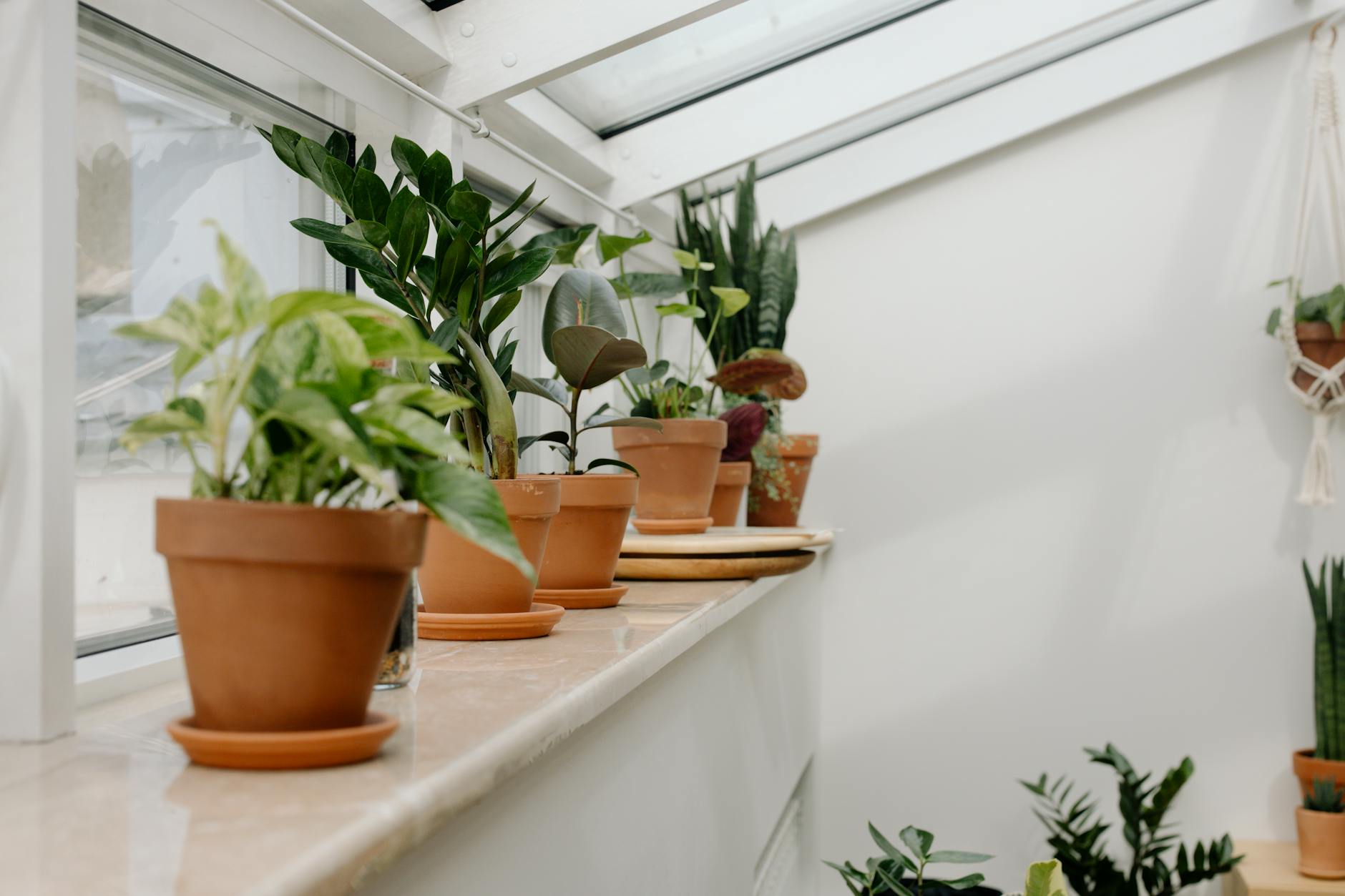
Plant parenting offers millennials something they desperately crave: a sense of control over life and death without the messy complications of human relationships. Unlike the housing market they can’t afford or the job security that doesn’t exist, a fiddle leaf fig responds predictably to proper care. Water it weekly, give it bright indirect light, and it thrives. The formula feels refreshingly simple in a world where nothing else does.
Sarah Martinez, 28, owns 47 plants in her Brooklyn studio apartment. “My therapist costs $200 per session,” she explains. “A new plant costs $20 and doesn’t judge me for eating cereal for dinner three nights in a row.” This transactional approach to emotional regulation reveals the deeper issue: millennials are substituting genuine self-care and professional help with retail therapy disguised as nurturing.
The plant care community reinforces this delusion through elaborate care schedules, expensive equipment, and endless online forums dedicated to diagnosing brown spots. The ritual of checking soil moisture, rotating plants toward sunlight, and misting leaves creates a meditative routine that temporarily quiets anxiety. But like all avoidance behaviors, it addresses symptoms rather than causes.
Performance Wellness on Social Media
Instagram’s plant parent hashtag has over 8 million posts, each one a carefully staged performance of botanical bliss. Millennials document their “plant hauls,” share time-lapse videos of unfurling leaves, and post aesthetic flat lays of their propagation stations. The performative aspect mirrors the same issues plaguing modern romance, where dating apps have turned relationships into curated content for social validation.
Plant influencers like Summer Rayne Oakes have built empires selling the fantasy that enough greenery can solve urban alienation and millennial malaise. Their pristine plant rooms become aspirational content that drives followers to spend hundreds on rare variegated specimens, chasing the Instagram-worthy plant aesthetic that promises inner peace through photosynthesis.
The wellness industrial complex has expertly co-opted plant care, marketing it as mindfulness practice and natural therapy. Apps like PictureThis and PlantNet gamify plant identification and care, turning nurturing into another productivity metric to optimize. Millennials track their plants’ growth like fitness goals, celebrating new leaves with the same enthusiasm previous generations reserved for actual milestones.
The Economics of Botanical Escapism
The plant parent economy preys on millennial financial anxiety while simultaneously feeding it. Rare monstera albo cuttings sell for hundreds of dollars, creating a speculative market where plant parents invest in foliage like cryptocurrency. The irony is stark: a generation priced out of homeownership and parenthood throws money at plants as substitutes for the life markers they can’t afford.
Plant subscription boxes, specialized soil mixes, and smart planters with app connectivity transform basic horticulture into expensive lifestyle branding. Companies like The Sill and Bloomscape have built multimillion-dollar businesses selling not just plants, but the identity of being a plant parent. Their marketing specifically targets millennials seeking meaning and purpose through consumption.
The hidden costs accumulate quickly: grow lights for dark apartments, humidifiers for tropical plants, expensive fertilizers and pest treatments. Plant parents rationalize these expenses as investments in mental health, but the financial stress often cancels out any therapeutic benefits. Like gym memberships and unused meditation apps, many expensive plants become guilt-inducing reminders of good intentions gone wrong.
The Deeper Root of the Problem
Plant parenting fills a void created by delayed traditional milestones and urban isolation. Millennials facing infertility, relationship instability, or financial constraints find surrogate nurturing through botanical care. The plants become emotional support objects, providing purpose and routine without the reciprocal emotional labor of human relationships.
This mirrors broader millennial coping mechanisms that prioritize appearance over substance. Corporate wellness initiatives and book clubs similarly package anxiety management as productivity enhancement, avoiding deeper conversations about systemic issues causing widespread mental health struggles.
The plant parent identity becomes another form of self-optimization culture, where the goal is appearing well-adjusted rather than actually addressing underlying anxiety and depression. When plants inevitably die despite expensive care routines, plant parents experience genuine grief disproportionate to the loss, revealing how much emotional weight they’ve placed on these relationships.

Mental health professionals increasingly see plant hoarding as a red flag for deeper issues. Dr. Amanda Rodriguez, who specializes in millennial anxiety, notes that patients often resist addressing core problems while meticulously documenting their plant care routines. “The plants become a socially acceptable way to avoid dealing with relationship issues, career dissatisfaction, or family trauma,” she explains.
Plant parenting culture will likely evolve as millennials age and potentially gain access to traditional markers of adulthood like homeownership and children. The question remains whether this botanical phase represents healthy coping or prolonged avoidance of deeper issues. For now, the plant parent industrial complex continues thriving, selling the promise that enough greenery can substitute for genuine wellness and human connection.
The real growth millennials need isn’t measured in inches of new foliage, but in their willingness to address the anxiety driving their need for control through consumption. Until then, plant parenting remains what it’s always been: expensive therapy that photosynthesizes.
Frequently Asked Questions
Why are millennials so obsessed with houseplants?
Millennials use plant care as a way to feel nurturing and in control when traditional life milestones like homeownership feel out of reach.
Is plant parenting actually good for mental health?
While caring for plants can be therapeutic, it often becomes an expensive way to avoid addressing deeper anxiety and life issues.