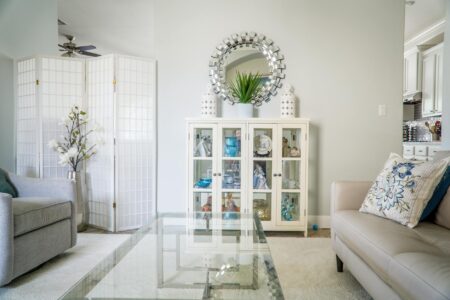





Three generations of the Chen family gather around their communal kitchen island every morning, sharing coffee and comparing schedules. Grandmother Helen, 78, heads to her pottery class. Father David, 52, joins his Zoom meeting from the shared workspace. Daughter Maya, 28, grabs her yoga mat for the rooftop session. They live together by choice, not necessity, in a purpose-built multi-generational community in Portland that’s redefining modern family living.
This isn’t your typical family compound. Across the United States, intentionally designed multi-generational housing communities are emerging as the fastest-growing residential trend of 2024. From converted warehouses in Detroit to newly constructed eco-villages in California, these developments blend private living spaces with shared amenities, creating environments where different generations choose to live together while maintaining independence.
The National Association of Home Builders reports that inquiries about multi-generational housing options increased by 60% in the past two years. Real estate developers like Lennar and Toll Brothers now dedicate entire divisions to these projects, responding to demographic shifts that are reshaping American living patterns.
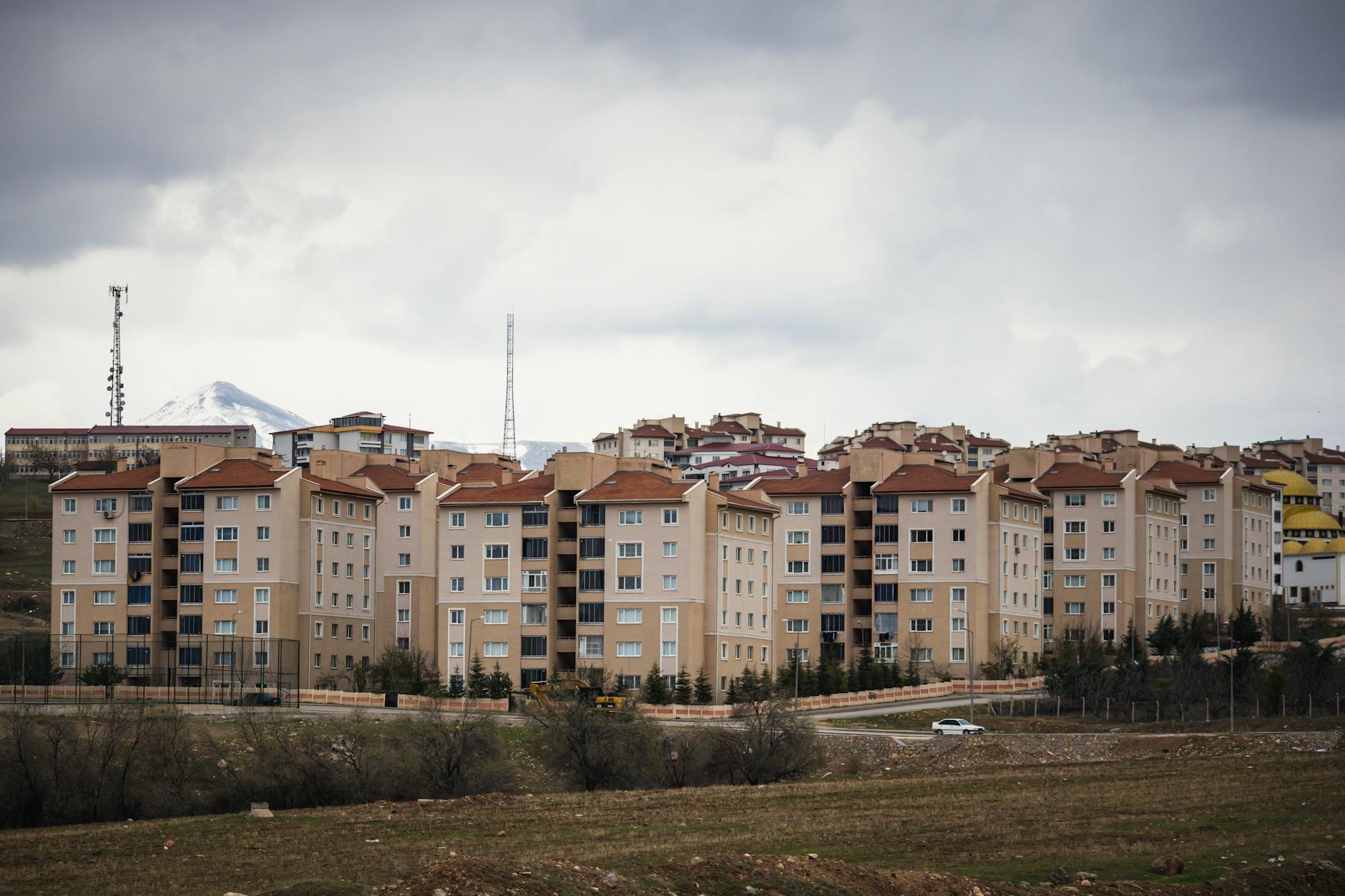
The Perfect Storm of Housing Demand
Several converging factors drive this trend. Rising housing costs push young adults to stay with or return to family, while aging Baby Boomers seek community connections without sacrificing independence. The pandemic accelerated these patterns, with remote work making location less tied to employment and highlighting the importance of social support systems.
“We’re seeing a fundamental shift away from the nuclear family isolation model,” explains Dr. Sarah Martinez, a housing policy researcher at Georgetown University. “Families want proximity without sacrificing privacy, and developers are finally catching up with creative architectural solutions.”
These communities differ significantly from traditional extended family arrangements. Purpose-built developments feature separate entrances, private kitchens, and individual utility connections within connected structures. Shared spaces might include gardens, workshops, childcare areas, fitness centers, and co-working spaces designed to encourage interaction without forcing it.
In Austin, the Mosaic Community spans 40 acres and houses 180 families across three generations. Each family unit maintains independence while sharing amenities like a community farm, maker space, and event pavilion. Monthly gatherings bring residents together, but participation remains optional.
Architectural Innovation Meets Social Need
Architects are developing sophisticated design solutions for multi-generational living. The “granny pod” concept evolved into full-scale developments with Universal Design principles, ensuring accessibility across age groups. Smart home technology allows different generations to maintain privacy while staying connected through shared security systems, climate control, and communication networks.
California’s Olivewood Gardens community showcases this approach. Each two-story townhome includes a main living area plus a separate apartment with its own entrance. Covered walkways connect units to shared spaces including a community kitchen, library, and wellness center. Solar panels and rainwater collection systems appeal to environmentally conscious residents across generations.
Similar projects are developing nationwide. Chicago’s Regeneration Community converted a former industrial complex into 85 multi-generational housing units. Philadelphia’s Beacon Communities created affordable multi-generational housing with on-site childcare and elder care services.

The economic benefits extend beyond shared housing costs. Multi-generational communities often provide built-in childcare, elder care, and household support systems, reducing external service expenses. Some developments incorporate small business spaces, allowing residents to work within their community.
Technology companies are also recognizing this trend. Just as organizations are hiring professional loneliness coaches to combat remote work isolation, residential developers are integrating digital platforms that help multi-generational residents coordinate activities, share resources, and build community connections.
Overcoming Traditional Barriers
These communities address common concerns about multi-generational living through thoughtful design and governance structures. Privacy challenges are solved through separate entrances, soundproofing, and clear boundaries between personal and shared spaces. Different lifestyle preferences are accommodated through varied activity spaces and flexible scheduling systems.
Financial arrangements often involve innovative ownership models. Some communities operate as limited equity cooperatives, where residents build equity while maintaining affordability. Others use fractional ownership structures that allow families to invest in both their private units and shared amenities.
Governance typically involves resident councils with representatives from different generations. These bodies establish community guidelines, plan activities, and resolve conflicts through structured mediation processes. Many communities require prospective residents to participate in orientation programs that establish expectations for communal living.
Legal frameworks are evolving to support these arrangements. Several states updated zoning laws to accommodate accessory dwelling units and multi-generational housing. Municipal governments offer incentives for developers who include multi-generational components in their projects.
The Business of Belonging
The growing demand has attracted significant investment. Real estate investment trusts now include multi-generational housing in their portfolios, recognizing the stable tenant base and reduced turnover these communities provide. Construction companies are developing specialized expertise in age-in-place design and flexible living configurations.
Property management companies are adapting their services for multi-generational communities. Traditional apartment management focuses on individual units, while these communities require coordination of shared spaces, community programming, and inter-generational conflict resolution.
Some communities generate revenue through additional services. Beacon Hill Village in Boston combines multi-generational housing with concierge services, meal programs, and educational activities. Residents pay base housing costs plus optional service fees, creating sustainable operating models.
The trend is attracting attention from healthcare systems and social service organizations. Kaiser Permanente partnered with several California developments to provide on-site health services. Universities are exploring multi-generational housing for students, faculty, and community members.

The multi-generational co-living movement represents more than a housing trend; it signals a broader cultural shift toward intentional community building. As traditional family structures evolve and social isolation increases, these developments offer a middle path between independence and connection.
Real estate analysts predict continued growth, with major metropolitan areas planning dozens of new multi-generational communities over the next five years. The success of early projects is attracting mainstream developers and institutional investors, suggesting this trend will move beyond niche markets to become a standard housing option.
For families like the Chens, the choice reflects changing priorities around community, sustainability, and mutual support. As Grandmother Helen notes while tending the community garden with her granddaughter, “We’re not going backward to old ways of living. We’re creating new ways that honor what we’ve learned about what matters most.”
Frequently Asked Questions
How do multi-generational communities maintain privacy between generations?
These communities feature separate entrances, private kitchens, individual utilities, and soundproofing while sharing common amenities.
What are the financial benefits of multi-generational co-living?
Residents share housing costs and often have built-in childcare and elder care, reducing external service expenses significantly.