




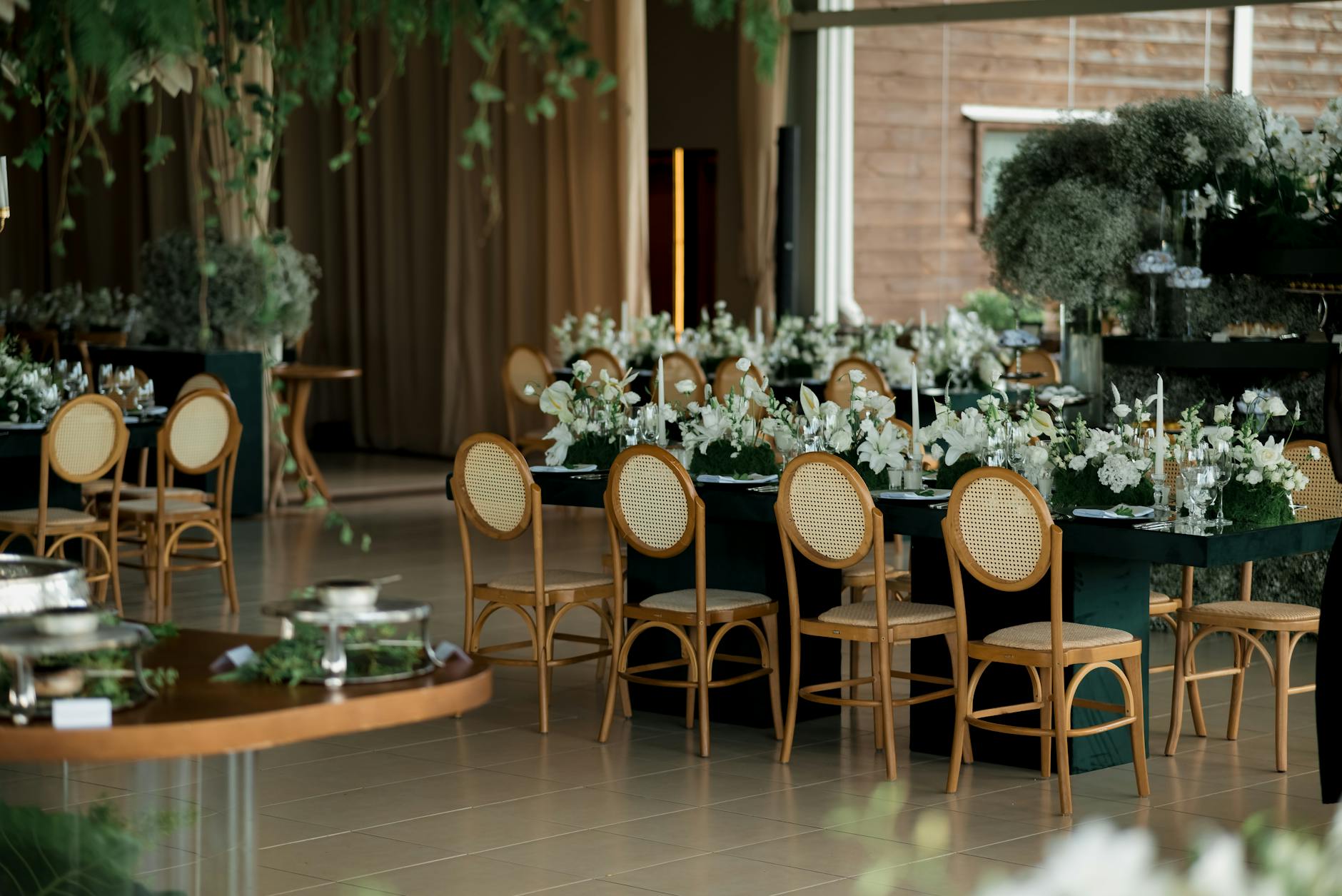
At Sarah Chen’s wedding in Napa Valley last month, guests weren’t reaching for their iPhones during the ceremony. Instead, they grabbed vintage Polaroid cameras from wicker baskets positioned throughout the vineyard. The instant film shots – complete with their characteristic white borders and slightly faded colors – became the evening’s most treasured keepsakes, while hundreds of digital photos sat forgotten in phones and cloud storage.
This scene reflects a growing movement among couples who are trading digital perfection for analog authenticity. Wedding photographers report a 40% increase in requests for Polaroid elements over the past two years, with many couples incorporating instant cameras as guest activities, ceremony documentation, or reception entertainment. The trend mirrors broader shifts toward vintage collecting and analog experiences that younger generations are embracing as antidotes to digital overwhelm.
The Appeal of Imperfection
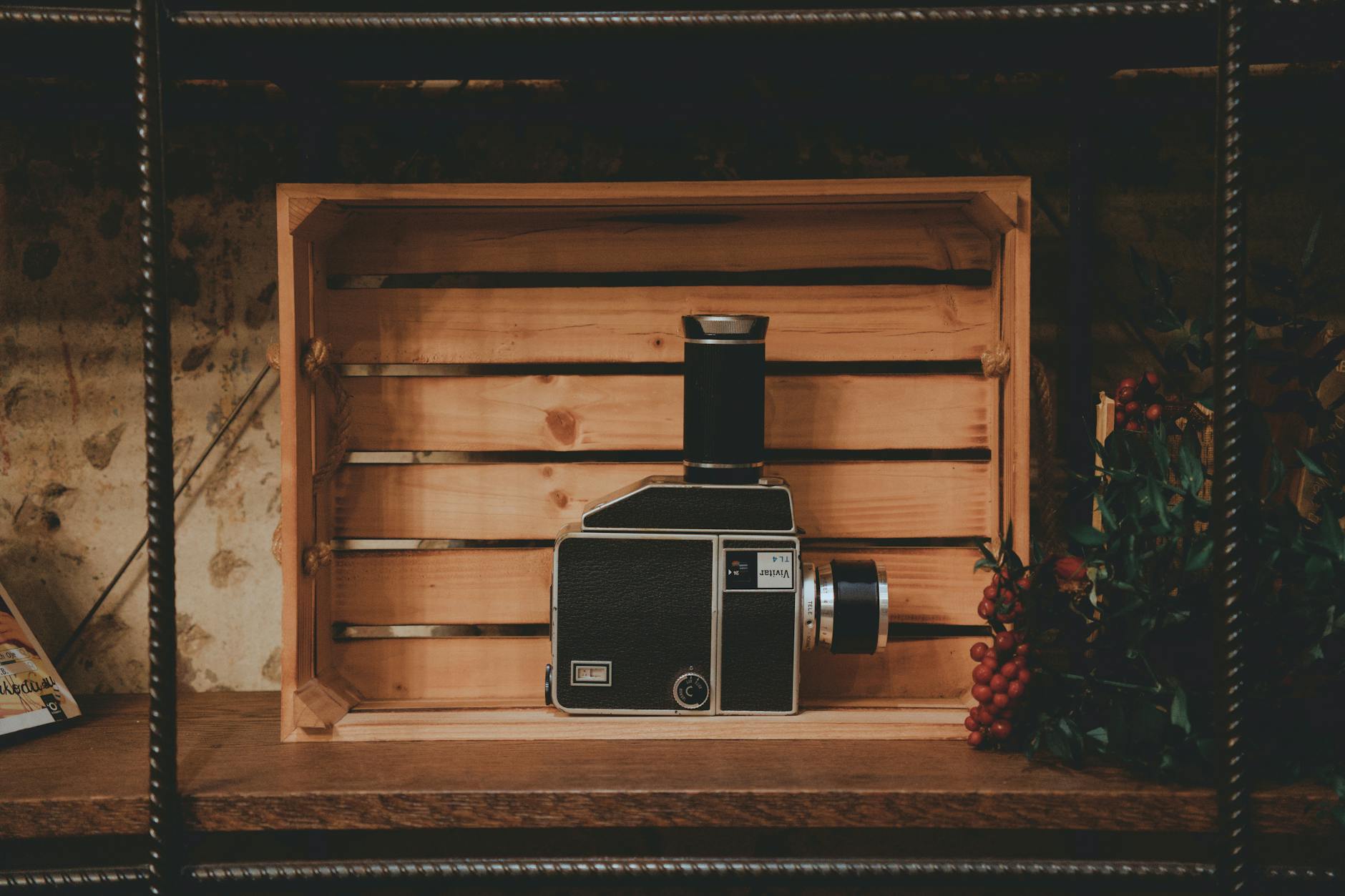
Professional wedding photographers are witnessing couples specifically request the unpredictable qualities that make Polaroids technically inferior to modern cameras. Light leaks, color shifts, and slightly blurred edges – flaws that digital photography works to eliminate – have become desirable aesthetic elements.
“Brides tell me they want photos that look like their grandparents’ wedding albums,” says Los Angeles photographer Marcus Rivera, who now incorporates Fujifilm Instax cameras into 60% of his wedding packages. “There’s something romantic about not knowing exactly how the photo will turn out until it develops.”
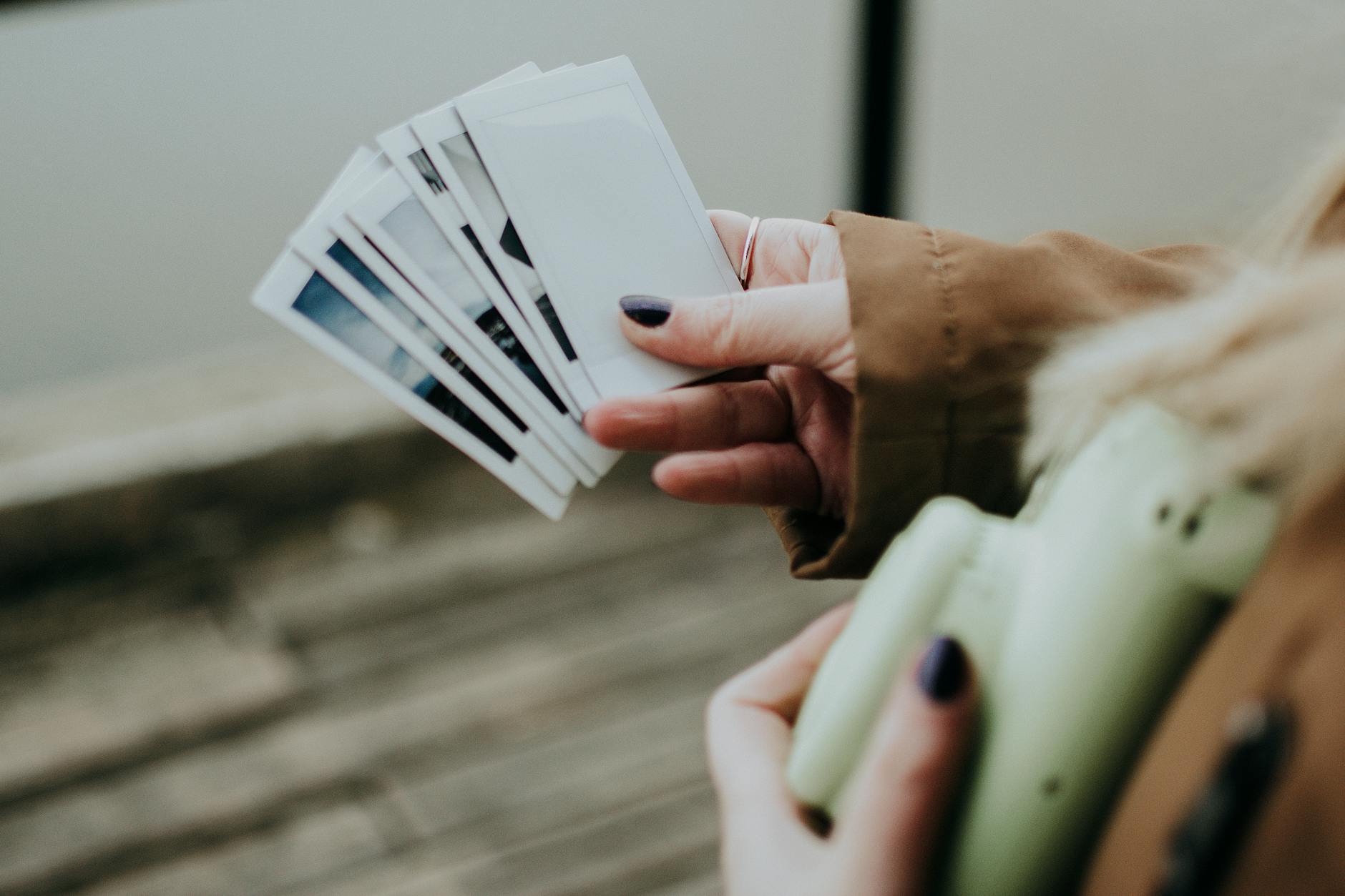
The physical nature of instant film creates immediate emotional connections. Unlike digital photos that exist in abstract cloud storage, Polaroids provide tangible objects that guests can hold, write messages on, and take home as personalized wedding favors. Many couples create guest books where visitors attach their instant photos alongside handwritten notes, creating layered keepsakes that blend photography with personal messages.
Wedding planners note that Polaroid stations naturally encourage guest interaction. The limited number of shots per film pack makes each photo feel precious, leading to more thoughtful composition and genuine moments. Guests collaborate on shots, swap cameras, and gather around to watch images develop – behaviors rarely seen with unlimited digital photography.
Creative Integration Techniques
Couples are finding innovative ways to blend instant photography with traditional wedding documentation. Some hire dual photographers – one shooting digital for comprehensive coverage, another using vintage Polaroid cameras for artistic accent shots. This approach combines reliability with creativity, ensuring no important moments are missed while adding unique visual elements.
Guest photo stations have evolved beyond simple camera placement. Creative couples provide themed props, custom film pack sleeves printed with wedding dates, and decorative frames for immediate display. Some establish “Polaroid walls” where guests can hang their instant photos throughout the reception, creating collaborative art installations that grow throughout the evening.
Reception activities increasingly center around instant photography. Couples organize photo scavenger hunts with specific shot lists, encouraging guests to document everything from table centerpieces to dance floor moments. Others create “photo auction” games where guests bid on favorite Polaroids using play money, with proceeds donated to chosen charities.
The photo booth industry has adapted by offering hybrid experiences that combine digital capabilities with instant printing. Modern setups capture high-resolution digital files while simultaneously printing Polaroid-style images, giving couples both archival quality and immediate gratification.
Economic and Practical Considerations
Despite romantic appeal, couples must navigate practical challenges when incorporating Polaroid photography. Film costs range from $2-3 per shot, making extensive instant photography significantly more expensive than digital alternatives. A typical wedding with 150 guests using instant cameras might require 20-30 film packs, creating material costs of $400-600 before equipment rental.
Equipment reliability presents another consideration. Vintage Polaroid cameras require specific film types that are no longer manufactured, forcing users toward modern alternatives like Fujifilm Instax or Polaroid Now cameras. These contemporary options maintain the instant development experience while offering better reliability and film availability.
Professional wedding photographers charge premium rates for incorporating instant elements, with packages including Polaroid components typically costing 15-20% more than purely digital services. However, couples report high satisfaction rates, particularly appreciating the immediate gratification and unique aesthetic results.
Some venues have established partnerships with instant photography rental companies, offering turnkey solutions that include cameras, film, props, and coordination services. These packages typically range from $300-800 depending on guest count and desired complexity, making instant photography accessible without requiring couples to source equipment independently.
Cultural and Generational Impact
The Polaroid wedding trend reflects broader generational attitudes toward technology and authenticity. Millennials and Gen Z couples, despite growing up with digital photography, are drawn to analog experiences that feel more intentional and permanent than smartphone snapshots.
Social media paradoxically drives this analog preference. While couples still share wedding moments online, they increasingly value physical photographs that exist independently of digital platforms. Polaroids offer aesthetic uniqueness that stands out in feeds dominated by similar-looking iPhone photos processed with identical filters.
The trend extends beyond weddings into engagement parties, bachelor celebrations, and anniversary events. Couples report that instant photography creates more mindful documentation habits, encouraging them to be present rather than constantly photographing through phone screens. This mindfulness approach resonates with broader wellness movements emphasizing intentional living and reduced screen time.
Photography educators note increased enrollment in film photography courses and darkroom workshops, suggesting the wedding trend reflects deeper interest in analog photography techniques. Camera shops report rising sales of instant cameras to couples preparing for weddings, with many customers later incorporating instant photography into daily life.
Future of Analog Wedding Photography
Industry projections suggest instant photography will remain a significant wedding trend through 2025, particularly as film manufacturers expand color options and improve consistency. Fujifilm’s recent introduction of new Instax formats and Polaroid’s expanded film lineup indicate commercial confidence in continued analog demand.
Emerging hybrid technologies promise to bridge analog and digital experiences. Some companies are developing instant cameras with digital backup capabilities, allowing couples to maintain physical film aesthetics while ensuring important moments are captured in multiple formats.
As couples increasingly seek distinctive alternatives to ubiquitous smartphone photography, instant cameras provide authentic differentiation that resonates across generations. The trend suggests a lasting shift toward valuing imperfection, physicality, and intentional documentation over digital convenience – qualities that align perfectly with the emotional significance of wedding celebrations.
Frequently Asked Questions
How much does Polaroid wedding photography cost?
Film costs $2-3 per shot, with typical weddings requiring $400-600 in film plus equipment rental fees.
Are Polaroid cameras reliable for weddings?
Modern instant cameras like Fujifilm Instax offer better reliability than vintage models while maintaining the analog aesthetic.