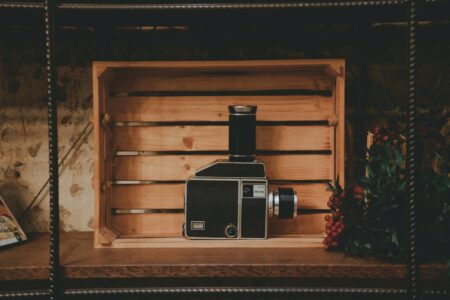





A 22-year-old from Portland just spent three months’ rent on a 1970s Leica M4. She’s not alone. Across TikTok and Instagram, Gen Z collectors are dropping serious money on vintage cameras, turning thrift store finds into investment portfolios and analog photography into the generation’s most costly obsession.
What started as a reaction against digital saturation has evolved into a full-blown collecting phenomenon. Young people who grew up with smartphones are now hunting down decades-old film cameras, paying premium prices for the privilege of shooting 36 frames at a time. The irony isn’t lost on anyone – the generation that pioneered digital-first living is now driving vintage camera prices to record highs.
The shift represents more than just nostalgia. Gen Z collectors are treating vintage cameras as both creative tools and alternative investments, creating a market that’s reshaping how we think about photography, ownership, and what it means to slow down in a fast-paced world.
The Price Revolution in Film
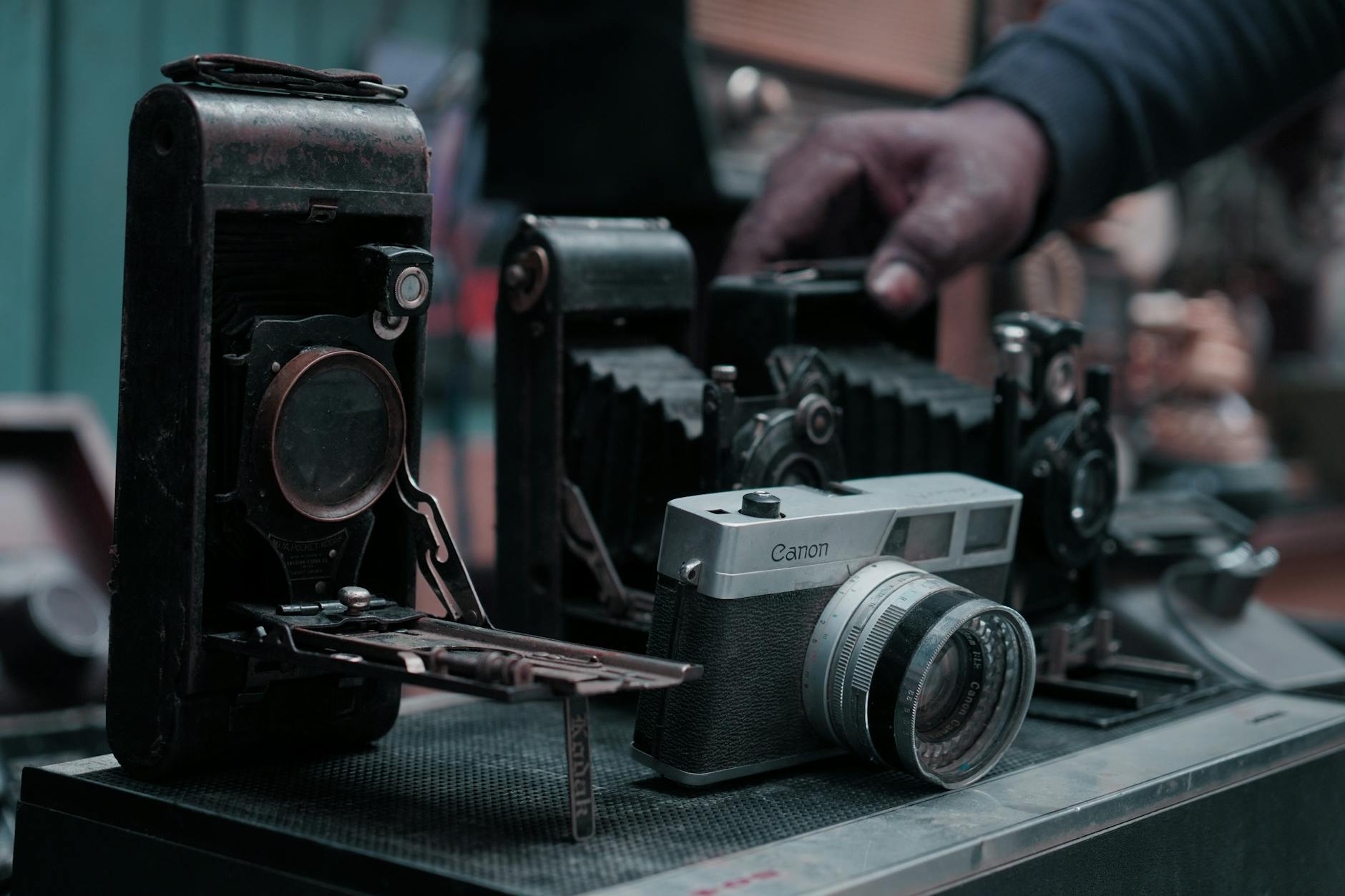
Vintage camera prices have skyrocketed over the past five years, with some models seeing 400% increases. A Contax T2 that sold for $200 in 2018 now commands $800-1200 on eBay. The legendary Leica M3, once available for under $1000, regularly sells for $2500 or more. Even basic 35mm cameras from Canon and Nikon have doubled in price.
The surge began around 2020, when pandemic lockdowns sent young people searching for new hobbies. Film photography offered something their phones couldn’t: limitation, deliberation, and physicality. But what started as casual interest quickly became serious collecting as influencers began showcasing rare finds and vintage aesthetics dominated social media feeds.
Supply and demand economics tell the story. Camera manufacturers stopped producing most film models in the early 2000s, creating a fixed supply. Meanwhile, Gen Z’s embrace of analog culture has created unprecedented demand. Repair shops report six-month backlogs, and specialty retailers struggle to maintain inventory.
The investment angle has added another layer of complexity. Young collectors now research camera values like stock traders, tracking market trends and hunting for undervalued pieces. Some treat their collections as diversified portfolios, mixing affordable everyday shooters with rare collectibles that appreciate over time.
From Tool to Status Symbol
Owning a vintage camera has become Gen Z’s version of luxury goods – visible markers of taste, knowledge, and disposable income. But unlike traditional luxury items, these cameras require expertise to use effectively, adding an element of skill-based credibility to the status display.
The learning curve is steep and expensive. Beyond the initial camera purchase, collectors invest in lenses, filters, film stock, and processing costs. A single roll of Kodak Portra 400 costs $15-20, and development adds another $15-25. Shooting film regularly can easily cost $500-1000 monthly – more than many car payments.
Social media has amplified the status element. Instagram accounts dedicated to film photography showcase not just images, but the cameras that created them. The aesthetic of holding a Leica or Hasselblad has become as important as the photographs themselves. TikTok videos of “camera hauls” and thrift store finds regularly go viral, creating pressure to own multiple bodies and rare pieces.
The knowledge component sets this hobby apart from typical status purchases. Successfully using a fully manual film camera requires understanding exposure, composition, and development processes. This creates an insider culture where expertise matters as much as ownership, similar to how escape rooms evolved into spaces for demonstrating problem-solving skills and teamwork.
The Philosophy of Slow Photography
Beyond status and investment potential, Gen Z’s camera collecting reflects a deeper cultural shift toward intentionality. Film photography forces photographers to slow down, consider each shot, and accept imperfection – a radical departure from the infinite digital takes and immediate editing their generation grew up with.
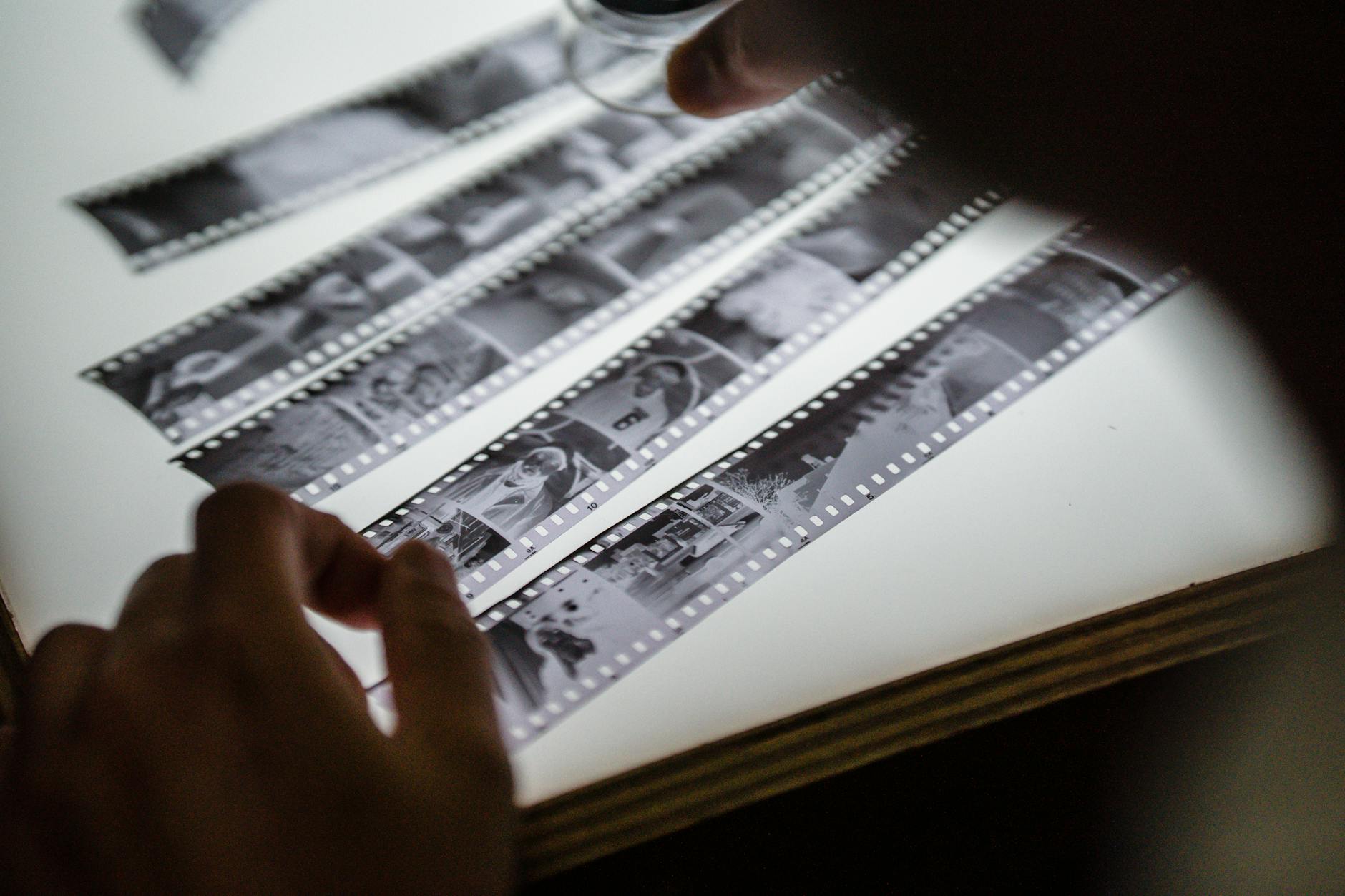
The constraints are the appeal. With only 36 exposures per roll, every frame matters. There’s no delete button, no instant preview, no unlimited storage. This limitation forces more thoughtful composition and creates genuine anticipation around seeing results. Many collectors describe the week-long wait for film processing as part of the joy – a forced delay in an instant-gratification world.
The physicality matters too. Unlike smartphone photography, film requires manual focus, light metering, and mechanical operation. Loading film, advancing frames, and rewinding completed rolls creates a tactile experience entirely absent from digital capture. For a generation raised on touchscreens, the mechanical precision of vintage cameras offers something genuinely novel.
This philosophical approach has created communities around shared values rather than just shared purchases. Film photography meetups, dark room co-ops, and online forums emphasize craft development and artistic growth alongside gear discussion. The hobby attracts people seeking deeper engagement with their creative process.
Market Dynamics and Future Outlook
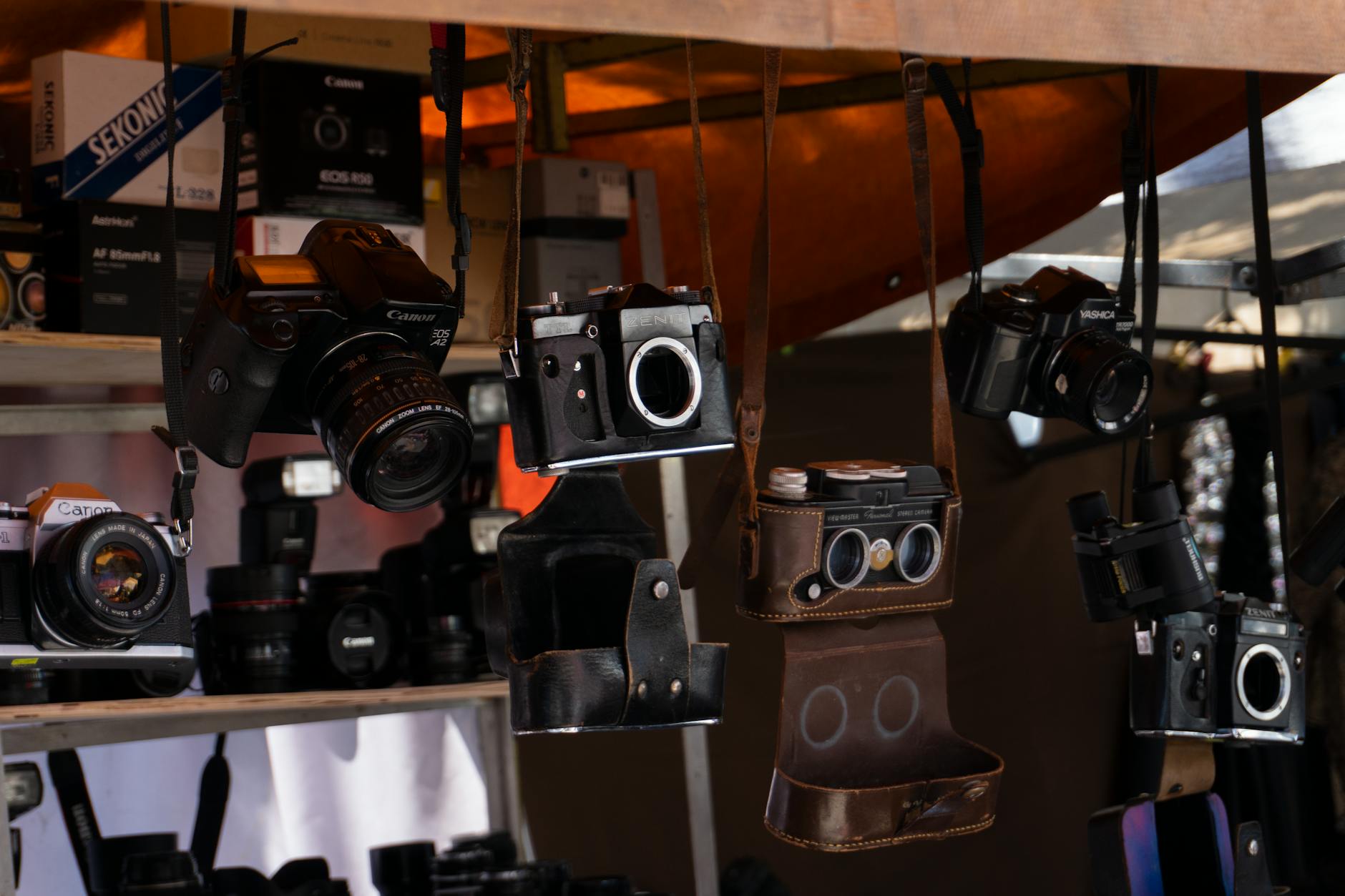
The vintage camera market now operates like any collectible category, with dealers, auction houses, and price guides tracking values. Specialized retailers like KEH Camera and B&H’s used department report that 60-70% of film camera buyers are under 30, a complete demographic reversal from just five years ago.
Geographic patterns reveal the hobby’s reach. Major metropolitan areas see the highest prices and fastest turnover, but online sales have democratized access. Rural collectors often find better deals at estate sales and local camera shops, creating arbitrage opportunities for savvy buyers willing to travel or build relationships with regional dealers.
The sustainability angle adds another dimension to the collecting culture. Young buyers frame vintage camera purchases as environmental choices – extending the life of well-built mechanical devices rather than contributing to electronic waste. This justification helps rationalize high prices while aligning with Gen Z’s environmental consciousness.
Professional photographers have taken notice. Some now offer film photography services specifically targeting younger clients who want the vintage aesthetic for weddings, portraits, and events. This professional demand has further inflated prices for reliable, high-quality bodies and lenses. Wedding planners report increasing requests for film photographers, creating yet another driver of market demand, reflecting how traditional services are adapting to younger generations’ preferences.
Looking ahead, the vintage camera market faces several pressures. Limited supply means prices will likely continue rising, potentially pricing out casual collectors. Meanwhile, some manufacturers are beginning to reintroduce film cameras, though at premium prices that may not significantly impact vintage demand.
The next phase will likely see stratification. Entry-level collectors may shift toward newly manufactured film cameras or more affordable vintage options, while serious collectors continue pursuing rare and historically significant pieces. The market is already showing signs of this split, with basic 35mm cameras stabilizing in price while premium and rare models continue appreciating.
Gen Z’s embrace of vintage cameras reflects broader cultural currents – the desire for authenticity, the value of constraints, and the appeal of owning beautiful, functional objects. Whether this hobby maintains its current intensity or evolves into something more sustainable, it has permanently altered both the photography and collecting landscapes. What remains certain is that a generation raised on digital convenience has found profound meaning in analog complexity, creating a market that shows no signs of slowing down.
Frequently Asked Questions
Why are vintage camera prices so high now?
Limited supply meets unprecedented Gen Z demand, with some models seeing 400% price increases since 2018.
What makes film photography appealing to Gen Z?
The constraints and physicality offer intentional, slow photography that contrasts with instant digital culture.