





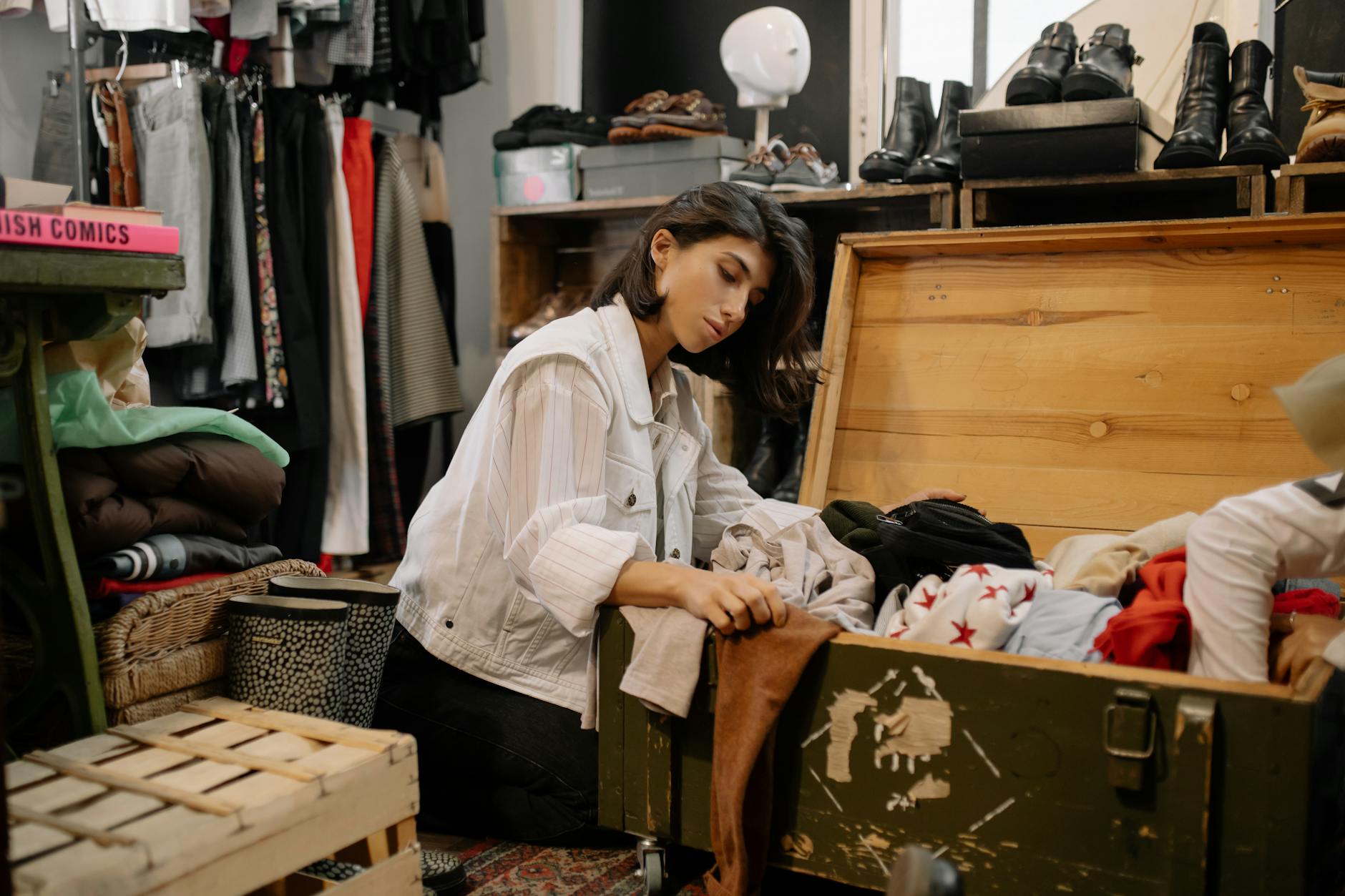
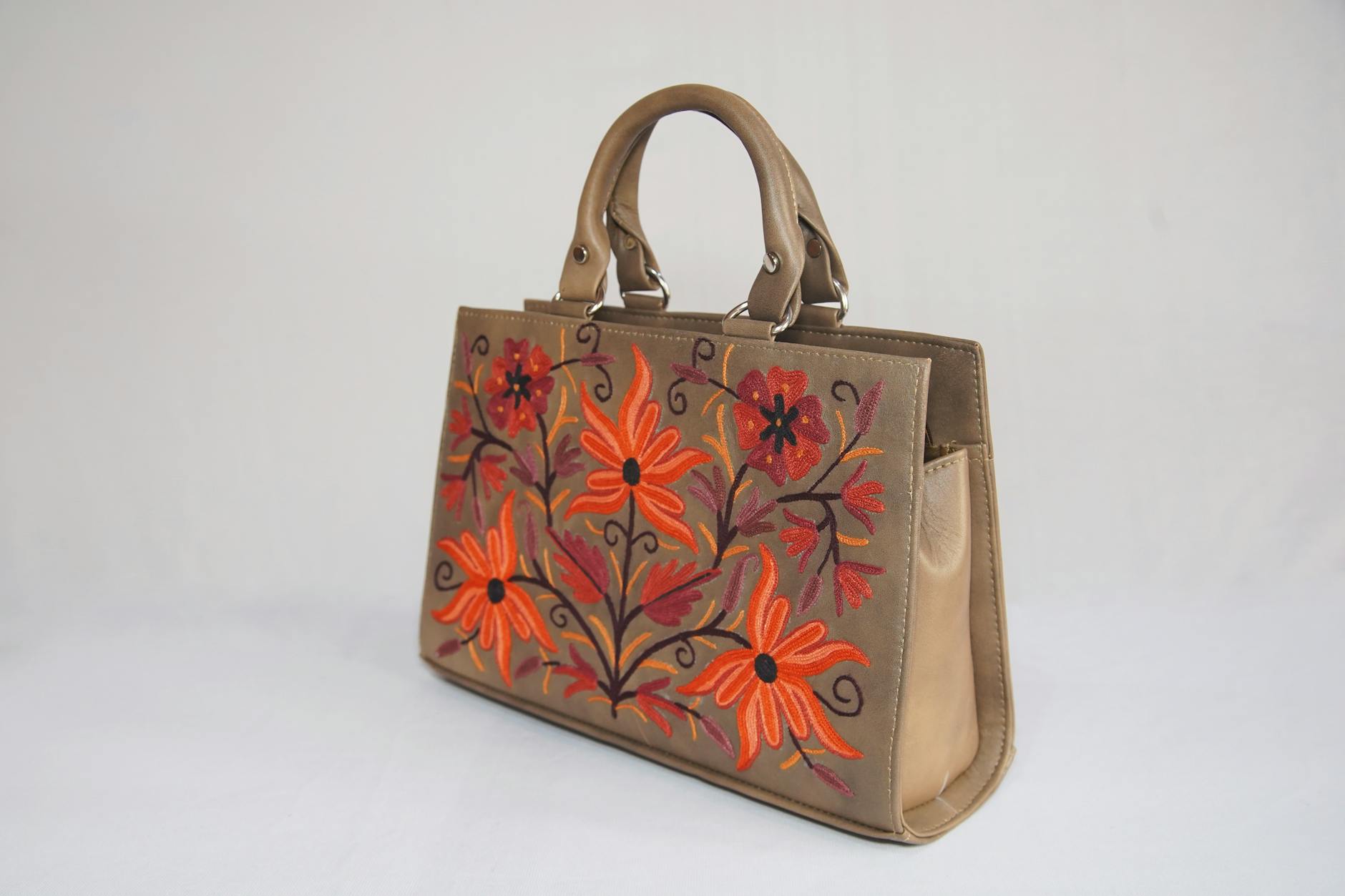
Maya Chen spotted the vintage Prada bag buried beneath a pile of knockoff purses at her local Goodwill. Price tag: $12.99. Three hours later, she’d authenticated it, photographed it, and listed it on Vestiaire Collective for $850. By evening, it was sold.
This wasn’t beginner’s luck. Chen, a 22-year-old college student from Portland, has turned thrift store flipping into a side hustle that nets her more monthly income than many entry-level jobs. She’s part of a growing movement of Gen Z entrepreneurs who’ve transformed secondhand shopping from bargain hunting into a sophisticated investment strategy.
While their parents debate cryptocurrency and day trading, Gen Z has found their own path to financial independence through the physical goods market. Armed with authentication apps, social media savvy, and an encyclopedic knowledge of brand values, they’re treating thrift stores like stock exchanges where the right eye can turn $20 into $2,000.
The New Stock Market Runs on Vintage Finds
The numbers tell the story. ThredUp’s 2023 resale report shows the secondhand market reached $177 billion globally, with Gen Z driving 40% of all purchases. But more telling is how they’re approaching it. Unlike previous generations who thrifted for personal use or environmental reasons, Gen Z treats it as active portfolio management.
“I track my ROI the same way my finance major friends track their crypto,” says Marcus Rodriguez, a 20-year-old who specializes in vintage band tees and sneakers. “I know which brands hold value, which years to look for, and what seasonal trends are coming. It’s all data-driven.”
Rodriguez keeps spreadsheets tracking his purchases, sale prices, and profit margins. His best flip: a 1994 Nirvana concert tee bought for $8 and sold for $340 on Depop. His worst: a pair of supposedly rare Jordans that turned out to be skilled replicas, losing him $45.
The sophistication extends beyond individual flippers. Online communities like Reddit’s r/ThriftStoreFlips and TikTok’s #ThriftFlip tags serve as informal trading floors where users share finds, authenticate items, and discuss market trends. These spaces function like investment forums, complete with technical analysis of brand values and seasonal demand patterns.
Authentication technology has eliminated much of the guesswork. Apps like Legit Check, CheckCheck, and Entrupy use AI and expert networks to verify luxury items within minutes. This infrastructure gives young flippers confidence to make significant purchases based on potential returns rather than personal preference.
From Dumpster Diving to Designer Deals
The cultural shift represents more than just a new hustle. For a generation facing student debt, housing costs, and uncertain job markets, thrift flipping offers something traditional investments don’t: immediate liquidity and tangible assets they can understand.
“Stock trading feels abstract,” explains Sarah Kim, a 24-year-old who funds her graduate school through vintage clothing sales. “I can hold a jacket, research its history, know exactly what I own. When I sell it, I get money in my account within days, not years.”
Kim started during the pandemic when her restaurant job disappeared. What began as selling her own clothes evolved into strategic thrift shopping. She now sources from estate sales, church bazaars, and high-end consignment shops, treating each location like a different market sector.
The expertise required rivals any professional trading floor. Successful flippers must know fashion history, brand hierarchies, seasonal trends, and authentication markers. They study vintage Vogue issues, memorize designer runway collections, and can spot a real Hermès scarf from across a crowded store.
“You need to understand Japanese denim manufacturing techniques, Italian leather craftsmanship, and Swiss watch mechanisms,” says Alex Thompson, whose TikTok account @VintageVault has 340,000 followers. “It’s like being a curator, detective, and day trader all at once.”
The Economics of Cool
What makes thrift flipping particularly appealing to Gen Z is how it aligns with their values while generating income. Unlike fast fashion or speculative trading, it’s inherently sustainable and tangible. They’re not betting on abstract market movements but on their ability to recognize value others missed.
The profit margins can be substantial. Vintage band merch from the 80s and 90s regularly sells for 20-50 times its thrift store price. Designer pieces, especially from coveted brands like Vivienne Westwood or early Supreme drops, can deliver returns that would make hedge fund managers jealous.
But success requires more than luck. The most profitable flippers develop specialized knowledge in specific categories. Some focus on vintage denim, others on designer scarves or rare sneakers. Like traditional traders, they develop expertise in their chosen sectors and build networks of sources and buyers.
The social media component adds another layer of complexity and opportunity. Successful flippers aren’t just finding and selling items; they’re building personal brands. Their Instagram feeds and TikTok videos serve as both marketing tools and proof of expertise, attracting followers who become customers.
This mirrors how Target’s designer collaborations have turned retail into cultural events, creating artificial scarcity and collector value around everyday items. Thrift flippers operate in the same space where commerce meets culture, but they’re creating their own artificial scarcity through curation and storytelling.
The Future of Fashion Investing
The thrift flipping trend shows no signs of slowing. Major platforms are taking notice. Depop sold to Etsy for over a billion dollars. Vestiaire Collective raised hundreds of millions in funding. Traditional auction houses like Sotheby’s now host streetwear and sneaker sales alongside fine art.
Investment firms are even creating funds focused on collectible fashion and cultural artifacts. The line between alternative investments and vintage clothing continues to blur, validating what Gen Z flippers have known all along: cultural objects hold real financial value.
The next evolution involves technology making the process even more efficient. AI-powered pricing tools, virtual try-on technology, and blockchain authentication are all being developed for the resale market. Some predict automated thrift scanning, where cameras identify valuable items in real-time.
But the human element remains crucial. Unlike algorithmic trading, thrift flipping rewards cultural knowledge, personal taste, and the ability to spot trends before they explode. It’s a market where being extremely online and culturally fluent translates directly to profit.
For Gen Z, thrift store flipping represents more than just making money. It’s their answer to a financial system that often feels rigged against them. By creating value through knowledge, taste, and hustle, they’ve built their own economic ecosystem. And unlike the stock market, this one runs on passion, creativity, and really good vintage finds.
Frequently Asked Questions
How much money can you make thrift store flipping?
Successful flippers report monthly incomes ranging from hundreds to thousands of dollars, with individual items sometimes selling for 20-50 times their purchase price.
What items are most profitable for thrift flipping?
Vintage band tees, designer handbags, rare sneakers, and authentic luxury accessories tend to offer the highest profit margins for experienced flippers.