




Missoni zigzag dresses selling for triple their retail price on eBay. Stella McCartney handbags commanding four-figure sums at auction. Thakoon cocktail dresses treated like vintage couture pieces. These aren’t luxury boutique finds-they’re Target collaborations that have transformed disposable fashion into collectible art.
Since 1999, Target’s designer partnerships have revolutionized how Americans think about accessible luxury. What began as a marketing strategy to differentiate the retailer from Walmart has evolved into a cultural phenomenon that blurs the lines between mass market and high fashion, creating an entirely new category of collectible goods.
The strategy was radical from the start. Michael Graves’ housewares collection in 1999 brought museum-quality design to everyday objects at unprecedented price points. A teapot that embodied postmodern design principles could sit on any kitchen counter for under fifty dollars. This wasn’t just about making designer goods affordable-it was about democratizing good design.
The Psychology of Limited Edition Luxury
Target’s genius lies in understanding scarcity psychology. Designer collaborations arrive with fanfare, sell out within hours, and disappear forever. This artificial scarcity transforms everyday shoppers into treasure hunters and creates the same urgency typically reserved for luxury drops.
The Missoni collaboration in 2011 became legendary when the website crashed from traffic overload. Customers camped outside stores, and pieces appeared on resale sites within hours at exponentially higher prices. The zigzag patterns that defined Italian luxury became accessible to suburban families, but only for those quick enough to grab them.
Social media amplified this phenomenon exponentially. Instagram feeds filled with styled Target finds, creating a new category of fashion influencer: the “Target hunter.” These digital curators built followings by spotting collaboration pieces, styling them in unexpected ways, and documenting their “finds” with the same reverence typically reserved for vintage designer scores.
The secondary market response revealed something profound about consumer behavior. Pieces that originally sold for thirty dollars commanded hundreds on resale platforms, not because of their intrinsic value, but because of their story. Owning a piece from a sold-out collaboration became a badge of cultural awareness and quick reflexes.
When Mass Market Meets Museum Quality
The transformation becomes clear when examining which pieces achieve collectible status. Collaborations with established fashion names like Prabal Gurung, Jason Wu, and Victoria Beckham generate the most collector interest, but success isn’t guaranteed by reputation alone. The most coveted items share specific characteristics: distinctive design elements that photograph well, limited production runs, and pieces that translate luxury aesthetics into accessible formats.
The Rodarte collaboration in 2009 exemplifies this phenomenon. The Mulleavy sisters’ romantic, avant-garde aesthetic translated into dresses that looked like art pieces hanging in closets. Years later, these pieces appear in fashion exhibitions alongside their runway counterparts, legitimized by museums and collectors who recognize their cultural significance.
This cultural validation extends beyond fashion. Home goods from collaborations with Jonathan Adler, Marimekko, and Diane von Furstenberg appear in design magazines styled alongside pieces costing ten times more. The objects themselves become conversation starters, representing both good taste and savvy shopping skills.
The phenomenon mirrors broader changes in how we define luxury and status. Younger consumers increasingly value accessibility and sustainability over exclusivity. Owning a piece that represents democratic design can signal more cultural capital than displaying obvious wealth. This shift aligns with how museum gift shops became more popular than the exhibits themselves-the desire for beautiful, meaningful objects transcends traditional price hierarchies.
The Resale Revolution and Digital Curation
Online marketplaces transformed Target collaborations from disposable fashion into investment pieces. Dedicated Facebook groups, Instagram accounts, and resale platforms emerged specifically for trading collaboration pieces. Sellers develop expertise in authentication, pricing, and presentation that rivals traditional vintage dealers.
The most successful resellers understand the cultural narratives surrounding each collaboration. They curate pieces not just based on profit margins, but on design significance and cultural impact. A Peter Pilotto dress becomes valuable not just for its print, but for representing a moment when British fashion royalty descended into Middle America.
This curation process creates new forms of cultural capital. Collectors develop encyclopedic knowledge of collaboration histories, designer backgrounds, and market values. They can spot authentic pieces across crowded thrift stores and identify investment-worthy items before general recognition drives up prices.
The community aspect cannot be understated. Online groups share styling inspiration, authentication tips, and insider information about upcoming collaborations. Members develop reputations based on their curation skills and knowledge depth, creating social hierarchies built around consumer expertise rather than spending power.
Fashion Democracy Meets Art Market Logic
What’s happening transcends simple fashion retail. Target collaborations operate under art market principles: limited supply, cultural significance, and collector communities that determine value through consensus rather than production costs. The difference lies in accessibility-these “artworks” were originally available to anyone willing to wake up early on launch day.
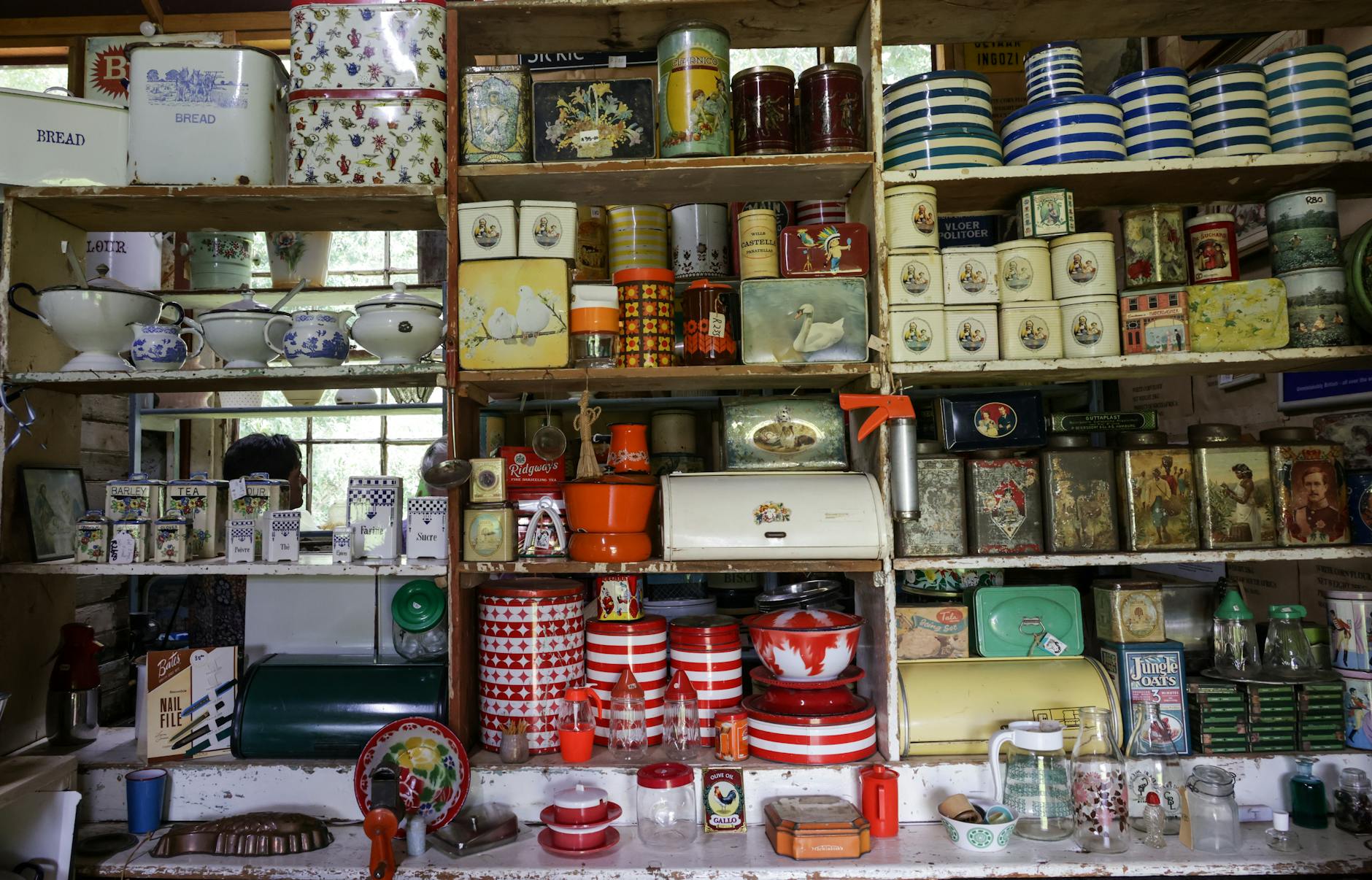
This accessibility creates unique collecting dynamics. Unlike traditional luxury goods that signal economic status, collaboration pieces signal cultural awareness and timing. They represent a form of democratic luxury where knowledge and speed matter more than spending power.
The trend reflects broader cultural shifts toward valuing experience and story over pure materialism. Owning a piece from a beloved collaboration connects the owner to a specific cultural moment, a successful “hunt,” and a community of like-minded collectors.
Looking ahead, Target’s influence on fashion and retail continues expanding. New collaborations generate the same excitement and secondary market activity, while vintage pieces from early collaborations achieve genuine collector status. The model has inspired similar strategies across retail, from H&M’s designer partnerships to makeup brand limited editions.
The transformation is complete: what began as a retail strategy has become a new form of cultural participation. Target shoppers aren’t just buying clothes or home goods-they’re collecting artifacts of democratic design that challenge traditional notions of luxury, accessibility, and artistic value.
Frequently Asked Questions
Which Target collaborations are most valuable for collectors?
Missoni, Rodarte, and early Thakoon pieces command the highest resale prices, often selling for 3-10 times their original retail value.
How can you authenticate vintage Target collaboration pieces?
Look for specific designer labels, construction details, and original tags. Many collectors use online communities and reference guides for authentication help.