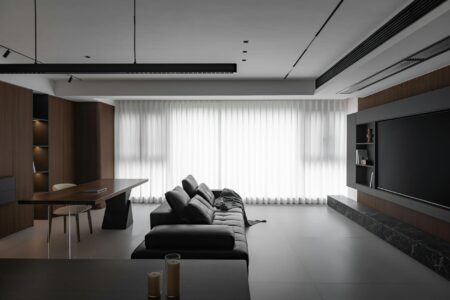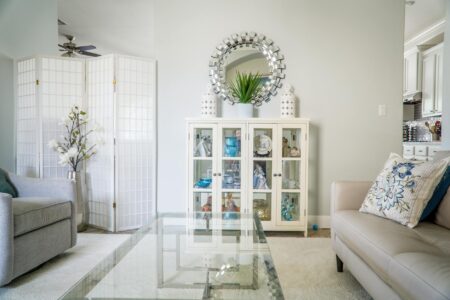





The Zoom camera pans across a pristine home office. Books arranged by color, plants positioned just so, and there it is – the centerpiece that screams success louder than any diploma on the wall. The standing desk, a monument to productivity and wellness, has become the ultimate flex in remote work culture.
What started as an ergonomic solution has morphed into something far more complex. Standing desks now signal membership in an exclusive club of health-conscious high achievers, where your workspace setup communicates as much about your status as the car in your driveway once did.
The transformation didn’t happen overnight. When companies like Herman Miller and Steelcase first introduced height-adjustable desks in corporate offices, they were purely functional tools. But the pandemic shifted everything. Suddenly, millions of professionals found themselves crafting home offices from scratch, and the standing desk emerged as the ultimate statement piece.
The Psychology of Elevated Status
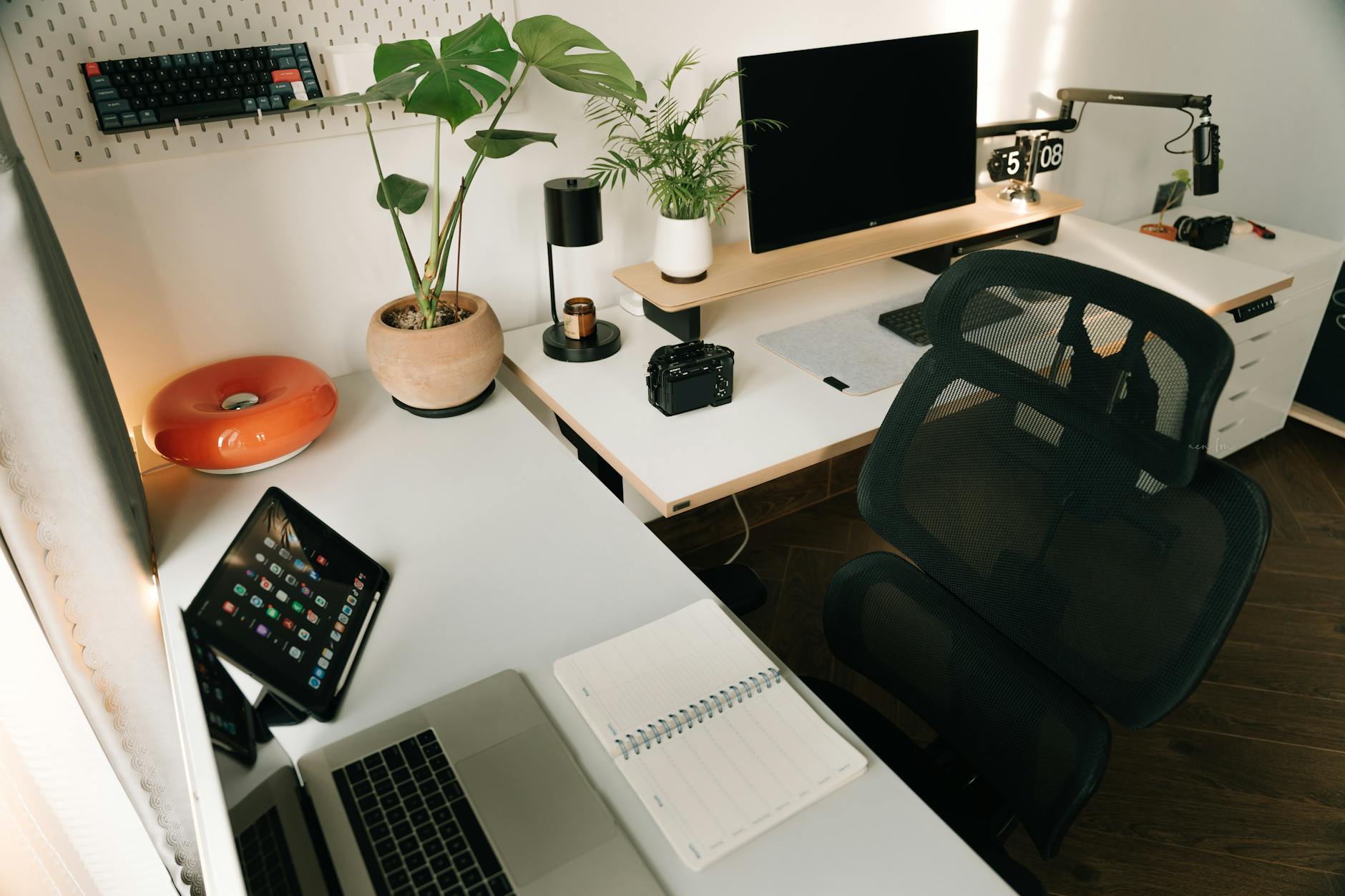
Standing desks tap into multiple psychological triggers that traditional furniture can’t touch. First, there’s the health halo effect. Owning a standing desk suggests you’re someone who prioritizes wellness, fights the dangers of sedentary life, and invests in long-term thinking. It’s virtue signaling wrapped in Swedish minimalism.
The elevation factor plays a crucial role too. Standing while working literally puts you above your seated colleagues during video calls. This subtle height advantage creates an unconscious power dynamic that doesn’t go unnoticed. Business leaders quickly picked up on this visual psychology, with CEOs across industries making sure their standing desks featured prominently in media interviews and company livestreams.
Price reinforces the status symbol aspect. Quality electric standing desks range from several hundred to several thousand dollars. When colleagues glimpse a Jarvis, UpDesk, or Herman Miller setup during video calls, they’re seeing a significant investment. The message is clear: this person has both the means and the priorities to optimize their work environment.
The ritual aspect can’t be overlooked either. The dramatic motion of a desk rising and falling throughout the day creates a performance element that draws attention. It’s workplace theater, and the desk owner is always center stage.
The Influencer Effect and Social Media Amplification
Instagram and TikTok productivity influencers accelerated the standing desk trend beyond recognition. Hashtags like #standingdesk and #workspacegoals generated millions of views, with users showcasing elaborate setups complete with ring lighting and carefully curated backgrounds.
Tech entrepreneurs and lifestyle gurus began featuring their standing desks in content, from morning routine videos to productivity tips. The desk became a prop that communicated credibility. Viewers began associating standing desks with the kind of people who had their lives together – the early risers, the goal setters, the optimizers.
This social media presence created a feedback loop. As more professionals saw standing desks in aspirational content, demand surged. Companies responded with sleeker designs, better cable management, and more premium materials. The utilitarian office equipment evolved into furniture worthy of a design magazine spread.
The timing aligned perfectly with the rise of remote work content creation. Professional development courses, online coaching, and digital entrepreneurship all found visual representation in the standing desk setup. It became shorthand for “I take my career seriously.”
Beyond Function: The Luxury Market Emerges
Premium standing desk manufacturers recognized the status symbol potential and pivoted accordingly. What were once purely functional pieces became luxury items with premium woods, advanced motor systems, and designer aesthetics. Companies like Uplift, Flexispot, and IKEA expanded their ranges to include options that wouldn’t look out of place in architectural magazines.
Customization options exploded. Buyers could now select from dozens of desktop materials, frame colors, and add-on accessories. Cable management systems, monitor arms, desk pads, and even built-in wireless charging turned the standing desk into a comprehensive lifestyle purchase rather than a single product.
The luxury tier brought standing desks into conversation with other high-end home office investments. Ergonomic chairs from Herman Miller or Steelcase, premium monitors, and mechanical keyboards all became part of a cohesive aesthetic that communicated professional success. The standing desk served as the foundation for an entire identity.
Corporate culture reinforced this trend. Companies began providing standing desk allowances for remote workers, recognizing both the health benefits and the implicit message it sent about company culture. Employees who secured standing desk stipends often shared their setups on social media, further amplifying the trend.
Similar status symbol shifts have occurred across lifestyle categories, from urban professionals joining community garden waitlists to signal environmental consciousness, to the way meal choices communicate personal values and social awareness.
The Wellness Industrial Complex
Standing desks perfectly captured the intersection of wellness culture and productivity optimization that defines modern professional life. They represent a solution to the sedentary crisis while promising enhanced focus and energy. This dual benefit – health and performance – made them irresistible to ambitious professionals.
The wellness messaging around standing desks often borders on evangelical. Users report increased energy, better posture, reduced back pain, and improved focus. Whether these benefits hold up under scientific scrutiny matters less than the belief system they support. The standing desk becomes a daily reminder of self-investment and health consciousness.
Companies capitalized on this wellness angle with marketing that positioned standing desks as essential tools for the modern knowledge worker. The message wasn’t just about furniture – it was about lifestyle transformation. Standing desks promised to unlock productivity potential and demonstrate commitment to personal optimization.
This wellness positioning elevated standing desks beyond office equipment into the realm of lifestyle products. They joined meditation apps, fitness trackers, and organic meal delivery services as symbols of the self-actualized professional.
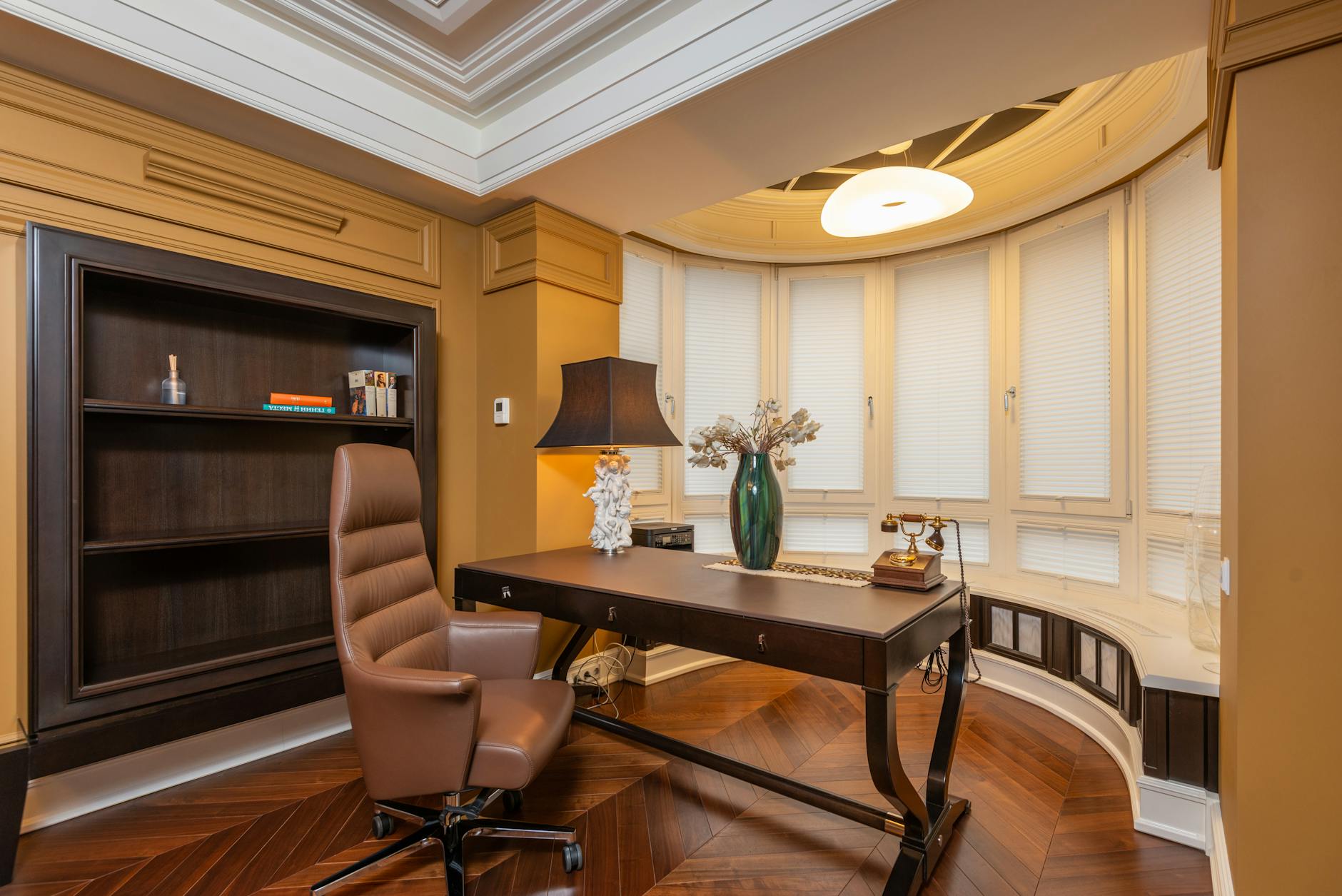
The standing desk phenomenon reflects broader shifts in how we signal success and values in a digital-first world. As traditional markers of professional achievement – corner offices, company cars, executive dining rooms – become irrelevant in remote work culture, new symbols emerge to fill the void.
Looking ahead, the standing desk trend seems likely to evolve rather than disappear. Manufacturers are already incorporating smart features like posture monitoring, health tracking, and app connectivity. The next generation may include built-in lighting systems, air purification, or even biometric monitoring that connects to wellness platforms.
As hybrid work becomes the permanent norm rather than a pandemic response, home office investments will continue to serve dual purposes – functional improvement and social signaling. The standing desk has proven that even the most utilitarian office equipment can become a status symbol when it aligns with cultural values around health, productivity, and professional optimization.
The real question isn’t whether standing desks will remain popular, but what the next home office status symbol will be and how quickly it will spread through our interconnected, always-visible work culture.
Frequently Asked Questions
Why are standing desks considered status symbols?
They signal health consciousness, productivity optimization, and significant investment in workspace quality, making them visible markers of professional success.
How much do quality standing desks cost?
Quality electric standing desks typically range from several hundred to several thousand dollars, with premium models featuring luxury materials and advanced features.