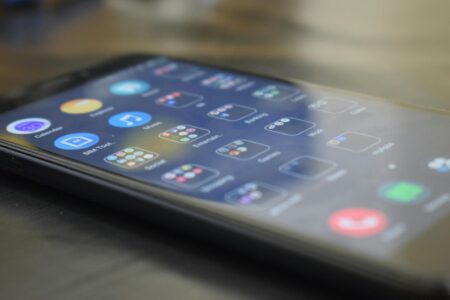





Radio died twice – first when MTV killed the video star, then when streaming platforms buried what was left. Now Spotify’s AI DJ is performing the final rites, turning the last human voices in music into algorithmic echoes.
The feature, launched in 2023, doesn’t just play songs like traditional streaming. It talks between tracks, introduces artists, and creates the illusion of a live radio experience. But instead of a human DJ in a studio booth, an artificial intelligence curates playlists while a synthetic voice delivers commentary that sounds remarkably natural.
This shift represents more than technological novelty. It signals the end of an era where radio personalities shaped musical taste and cultural conversation. The intimate connection between listener and DJ – built through shared moments, inside jokes, and human spontaneity – is being replaced by data-driven precision and manufactured intimacy.

The Technology Behind the Voice
Spotify’s AI DJ combines machine learning with voice synthesis to create what feels like a personalized radio show. The system analyzes listening history, time of day, and user preferences to select tracks, then generates contextual commentary about the music, artists, or cultural moments.
The voice belongs to Xavier “X” Jernigan, a real DJ whose vocal patterns were used to train the AI system. This hybrid approach – human voice training artificial intelligence – creates an uncanny valley effect where listeners hear something familiar yet fundamentally different.
The AI doesn’t just randomly select songs. It considers factors like energy levels throughout the day, seasonal preferences, and even weather patterns in the user’s location. If you typically listen to upbeat music during morning workouts, the AI DJ will notice and adapt its selections accordingly.
Unlike traditional radio, which broadcasts the same content to millions, Spotify’s AI creates individual shows for each listener. No two people hear the same sequence of songs and commentary, making each experience feel uniquely curated.
The Death of Radio Culture
Traditional radio DJs did more than play music – they broke new artists, started cultural conversations, and created shared moments across entire cities. Wolfman Jack’s howling voice reached across state lines. Howard Stern sparked national debates. Casey Kasem’s countdown became appointment listening for generations.
These personalities understood that radio was theater of the mind. They painted pictures with their voices, told stories between songs, and created parasocial relationships that made listeners feel like friends. The best DJs read the room, sensed the mood, and adjusted their energy accordingly.
Spotify’s AI eliminates the unpredictability that made radio magical. There are no unexpected tangents, no controversial opinions, no moments when a DJ’s personal passion for an obscure track introduces listeners to something completely new. The algorithm optimizes for engagement and satisfaction, but not for surprise or growth.
The communal aspect of radio also disappears. When a local DJ played a song, thousands of people heard it simultaneously, creating shared cultural moments. Social media might buzz about a particular track or comment. That collective experience becomes impossible when everyone receives a personalized stream.
Why Listeners Are Embracing AI
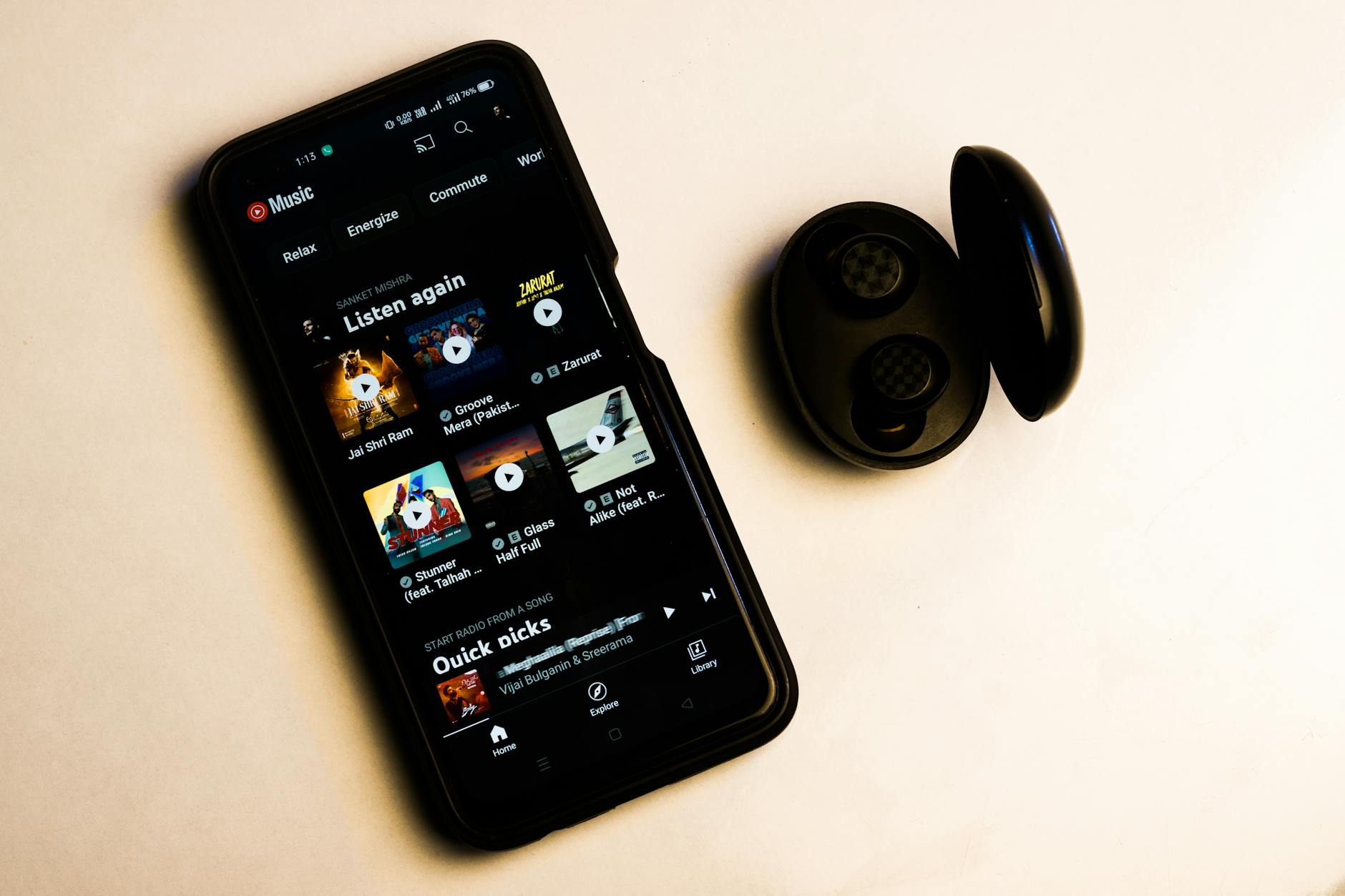
Despite the loss of human connection, Spotify’s AI DJ is gaining popularity for practical reasons. It eliminates the friction of choosing what to play next – a common source of decision fatigue in the streaming era. Users don’t need to actively curate playlists or search for new music.
The AI also removes the interruptions that plague traditional radio. No advertisements interrupt the flow, no traffic reports break musical momentum, no morning show banter delays the next song. The experience feels more like having a knowledgeable friend with excellent taste rather than commercial radio programming.
Personalization plays a crucial role in adoption. The AI learns individual preferences with machine precision, noting that you skip ballads on Monday mornings but embrace them on Sunday evenings. It remembers that you discovered a favorite artist through a particular playlist and finds similar recommendations.
The convenience factor cannot be overstated. Like how app-based learning systems are replacing traditional goal-setting methods, AI DJ represents a shift toward frictionless, automated experiences that adapt to user behavior without requiring active decision-making.
The Industry Response
Traditional radio companies are scrambling to compete with AI-driven personalization. Some stations are experimenting with their own AI systems, while others are doubling down on live, local content that algorithms cannot replicate.
iHeartMedia and other radio giants are investing heavily in podcast content and on-demand streaming to stay relevant. They argue that human hosts provide emotional intelligence and cultural insight that AI cannot match. Live event coverage, breaking news, and community connection remain areas where human broadcasters excel.
Music industry professionals worry about the implications for artist discovery. Radio DJs historically played crucial roles in breaking new acts, taking risks on unknown artists based on intuition and passion. AI systems, optimized for user satisfaction, tend toward safer choices and established patterns.
Independent artists face particular challenges in an AI-curated world. Without the human champion who might fall in love with an unusual sound and push it to audiences, emerging musicians must rely entirely on algorithmic recommendation systems that favor familiar patterns and established engagement metrics.
The transformation of radio represents a broader cultural shift toward efficiency over serendipity, personalization over community, and optimization over discovery. While Spotify’s AI DJ provides undeniable convenience and personalization, it also marks the end of radio as a shared cultural experience.
The question isn’t whether AI will replace human radio personalities – it already has for millions of listeners. The question is what we lose when algorithms curate our cultural experiences and what aspects of human creativity and spontaneity prove impossible to replicate. As we embrace these personalized, frictionless experiences, we’re trading the messy unpredictability of human connection for the smooth efficiency of artificial intelligence. The music plays on, but the conversation changes forever.
Frequently Asked Questions
How does Spotify’s AI DJ work?
It uses machine learning to analyze listening habits and generates personalized playlists with AI-powered commentary using a synthetic version of a real DJ’s voice.
Can AI DJs replace human radio personalities?
AI DJs offer personalization and convenience but lack the cultural insight, spontaneity, and community-building aspects of human radio hosts.