





Small business owners across creative industries are watching their Pinterest traffic plummet overnight. What started as routine algorithm adjustments has spiraled into an existential crisis for thousands of independent artists, makers, and small retailers who built their entire customer base on the visual discovery platform. The changes, rolled out gradually over the past six months, have shifted Pinterest’s focus toward larger retailers and sponsored content, leaving creative entrepreneurs scrambling to find new ways to reach customers.
Sarah Chen, who runs a handmade jewelry business from Portland, saw her Pinterest referral traffic drop 78% between January and March. “I went from getting 15-20 orders a week through Pinterest to maybe three,” she says. “My engagement rates fell off a cliff, and my pins just stopped showing up in search results.” Her story echoes across creative communities, where business owners report similar devastating drops in visibility and sales.

The Algorithm Shift That Changed Everything
Pinterest’s latest algorithm update prioritizes what the company calls “quality content” and “authoritative sources,” but critics argue this translates to favoritism toward established brands with larger marketing budgets. The platform now weights factors like domain authority, website traffic, and advertising spend more heavily when determining which pins appear in user feeds and search results.
Internal documents leaked to TechCrunch revealed Pinterest’s strategic pivot toward becoming a “shoppable platform” rather than a discovery engine for independent creators. The algorithm now explicitly favors retailers who use Pinterest’s business tools, particularly those who spend on advertising or maintain verified merchant accounts with substantial inventory.
This shift mirrors broader platform consolidation trends, where social media companies increasingly cater to commercial interests over community creators. Unlike the gamification strategies that platforms like Duolingo use to engage users, Pinterest’s changes seem designed to drive revenue rather than user satisfaction.
Marcus Rodriguez, who sells digital art prints through his Etsy shop, noticed the changes immediately. “My most popular pins that used to get thousands of saves suddenly stopped performing. Meanwhile, mass-produced wall art from big retailers started dominating the same search terms I used to rank for.” His monthly Pinterest-driven sales dropped from $3,200 to under $400 within two months.
The Ripple Effect on Creative Economies
The algorithm changes have created cascading effects throughout the creative economy. Many small business owners who relied on Pinterest as their primary customer acquisition channel now face difficult decisions about their business viability. Some are closing shops entirely, while others are desperately trying to rebuild their customer base through other platforms.
Emma Thompson, a surface pattern designer who licenses designs to fabric companies, lost 85% of her Pinterest followers’ engagement. “Pinterest was where art directors and licensing managers discovered my work,” she explains. “Without that visibility, I’m basically starting from zero. My licensing inquiries have dropped to almost nothing.”
The changes particularly impact businesses in visual categories like home decor, fashion accessories, and handmade goods-precisely the niches that made Pinterest popular initially. These creators often lack the resources to compete with established brands in Pinterest’s new advertising-heavy ecosystem.
Small business advocacy groups have documented the broader economic impact. The Handmade Business Association surveyed 2,847 members and found that 67% reported significant revenue declines directly attributable to Pinterest algorithm changes. Of those affected, 23% said they were considering closing their businesses entirely.
Fighting Back: Adaptation Strategies
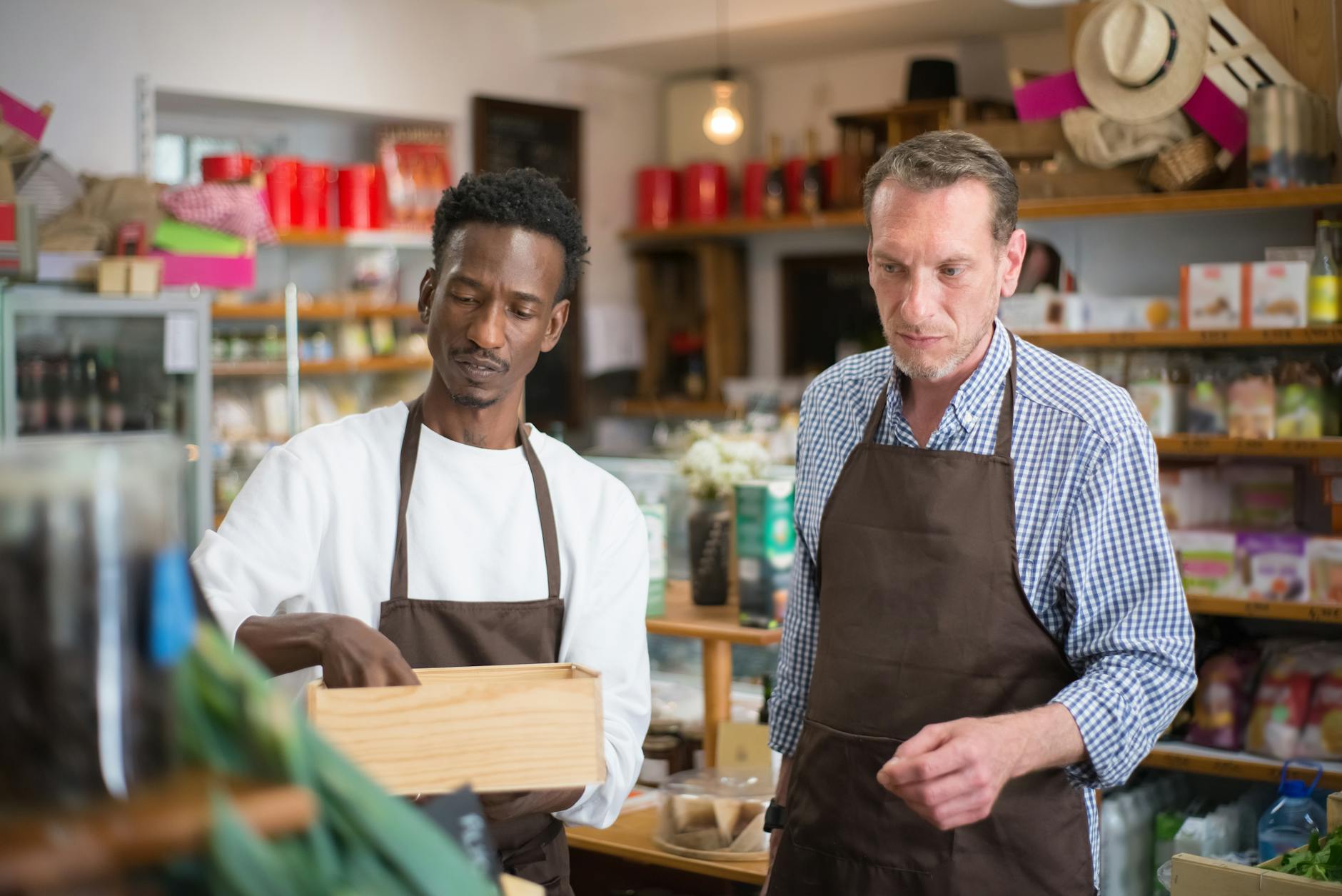
Some creative entrepreneurs are finding workarounds, though success requires significantly more effort than before. The most successful adaptations involve diversifying traffic sources and building direct customer relationships rather than relying solely on Pinterest discovery.
Lisa Park, who sells printable planners and organization tools, shifted her strategy after her Pinterest traffic collapsed. “I started focusing on email list building and TikTok content creation. It’s taken six months, but I’m finally seeing consistent sales again.” Her approach involves creating valuable free content to attract subscribers, then nurturing those relationships through regular email communication.
Others are exploring alternative visual platforms like Instagram Reels and YouTube Shorts, though these require different content creation skills. The most adaptable businesses are those that can pivot quickly and invest time in learning new platforms’ algorithms and best practices.
Creative communities have also formed mutual support networks, sharing knowledge about algorithm changes and successful workarounds. Facebook groups like “Pinterest for Business Support” and “Creative Entrepreneur Solutions” have become vital resources for sharing real-time updates about platform changes and effective response strategies.
Some entrepreneurs are returning to more traditional marketing methods, participating in local craft fairs and building relationships with physical retailers. While these approaches typically generate lower volume than digital marketing, they often create stronger customer loyalty and higher profit margins.
Platform Dependence and Future Sustainability
The Pinterest crisis highlights the fundamental vulnerability of businesses built entirely on third-party platform traffic. Many affected entrepreneurs are now questioning the wisdom of building customer acquisition strategies around platforms they don’t control.
Digital marketing expert Jennifer Wu warns that this pattern will likely repeat across other platforms. “We’re seeing consolidation everywhere. TikTok is prioritizing brand partnerships, Instagram favors accounts that drive ad revenue, and now Pinterest is following suit. Small businesses need to own their customer relationships directly.”
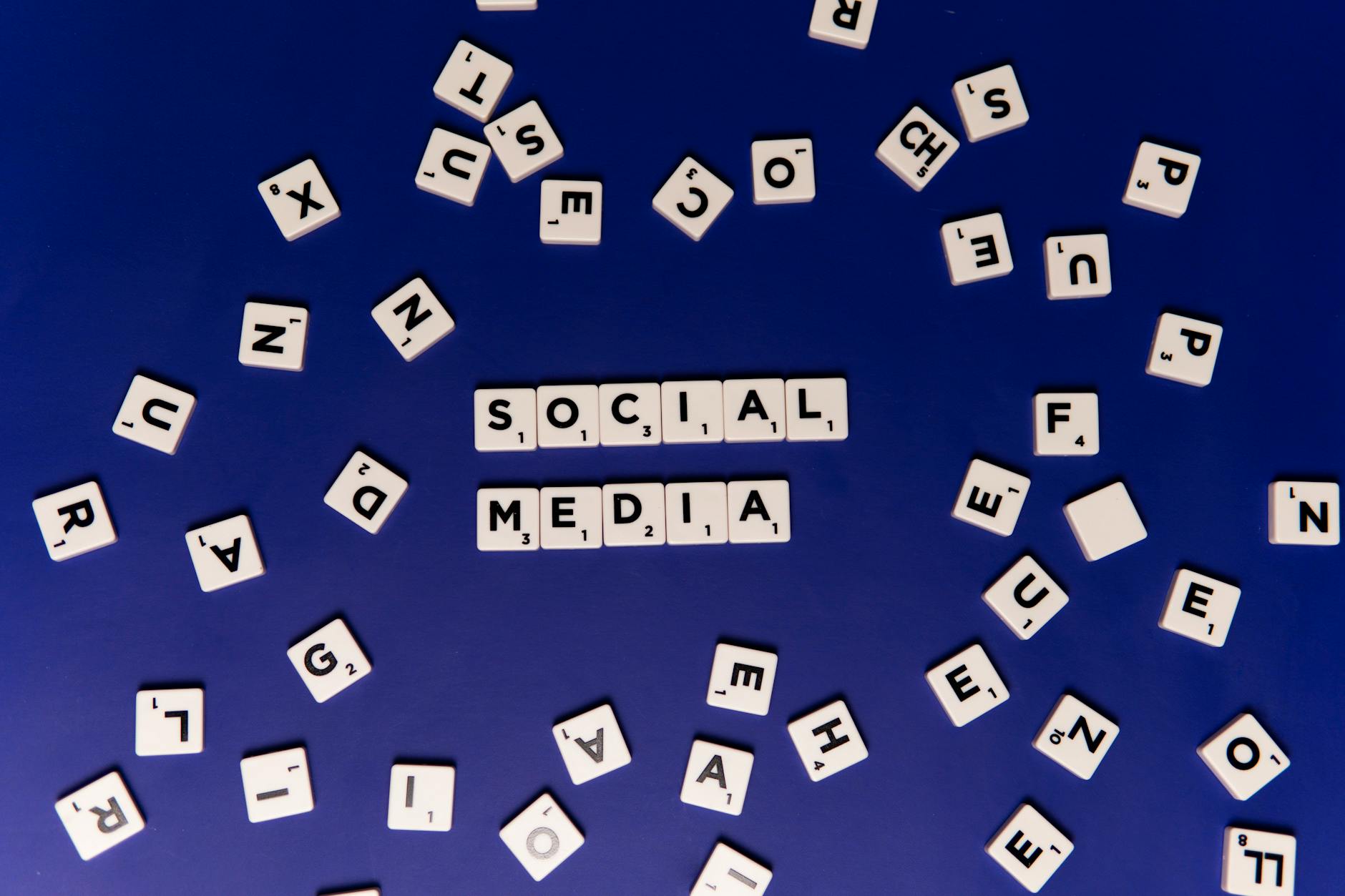
The solution, according to business consultants, involves building what they call “platform-agnostic” customer acquisition systems. This means developing multiple traffic sources, building email lists, creating branded content hubs, and fostering direct customer relationships that don’t depend on algorithmic visibility.
Some creative entrepreneurs are exploring newer platforms like BeReal for authentic brand building or focusing on niche communities where their target customers gather. Others are investing more heavily in search engine optimization for their own websites, recognizing that organic Google traffic provides more stability than social media algorithms.
The long-term outlook suggests that successful creative businesses will need to become more sophisticated marketers, developing diversified strategies rather than relying on single platforms for customer acquisition. This shift requires new skills and often additional time investment, but it provides greater business sustainability.
As Pinterest continues optimizing for commercial success, the creative communities that originally made the platform vibrant may need to find new digital homes. The entrepreneurs who adapt successfully will likely emerge more resilient, having learned the hard lesson that sustainable businesses require owned customer relationships rather than borrowed platform audiences. Their experience serves as a cautionary tale for any business owner building their future on algorithmic foundations they cannot control.
Frequently Asked Questions
Why did Pinterest change its algorithm?
Pinterest shifted its algorithm to prioritize “authoritative sources” and larger retailers as part of becoming a “shoppable platform” focused on commercial revenue rather than creator discovery.
How can small businesses adapt to Pinterest’s algorithm changes?
Successful adaptations include diversifying traffic sources, building email lists, creating content on alternative platforms like TikTok, and focusing on direct customer relationships rather than algorithm-dependent visibility.