




The Museum of Modern Art’s design store in New York generates more revenue per square foot than many luxury retailers on Fifth Avenue. Visitors regularly skip the galleries entirely, heading straight to the gift shop to browse everything from Bauhaus-inspired kitchen tools to architect-designed umbrellas. What started as an afterthought has become the main attraction.
Museum gift shops have transformed from dusty corners selling postcards into cultural tastemakers that drive visitor decisions. The Metropolitan Museum of Art reports that 40% of their visitors spend time in the gift shop, with many never entering the exhibition halls. The British Museum’s online shop ships globally, turning ancient artifacts into modern lifestyle brands through carefully curated merchandise that rivals high-end boutiques.
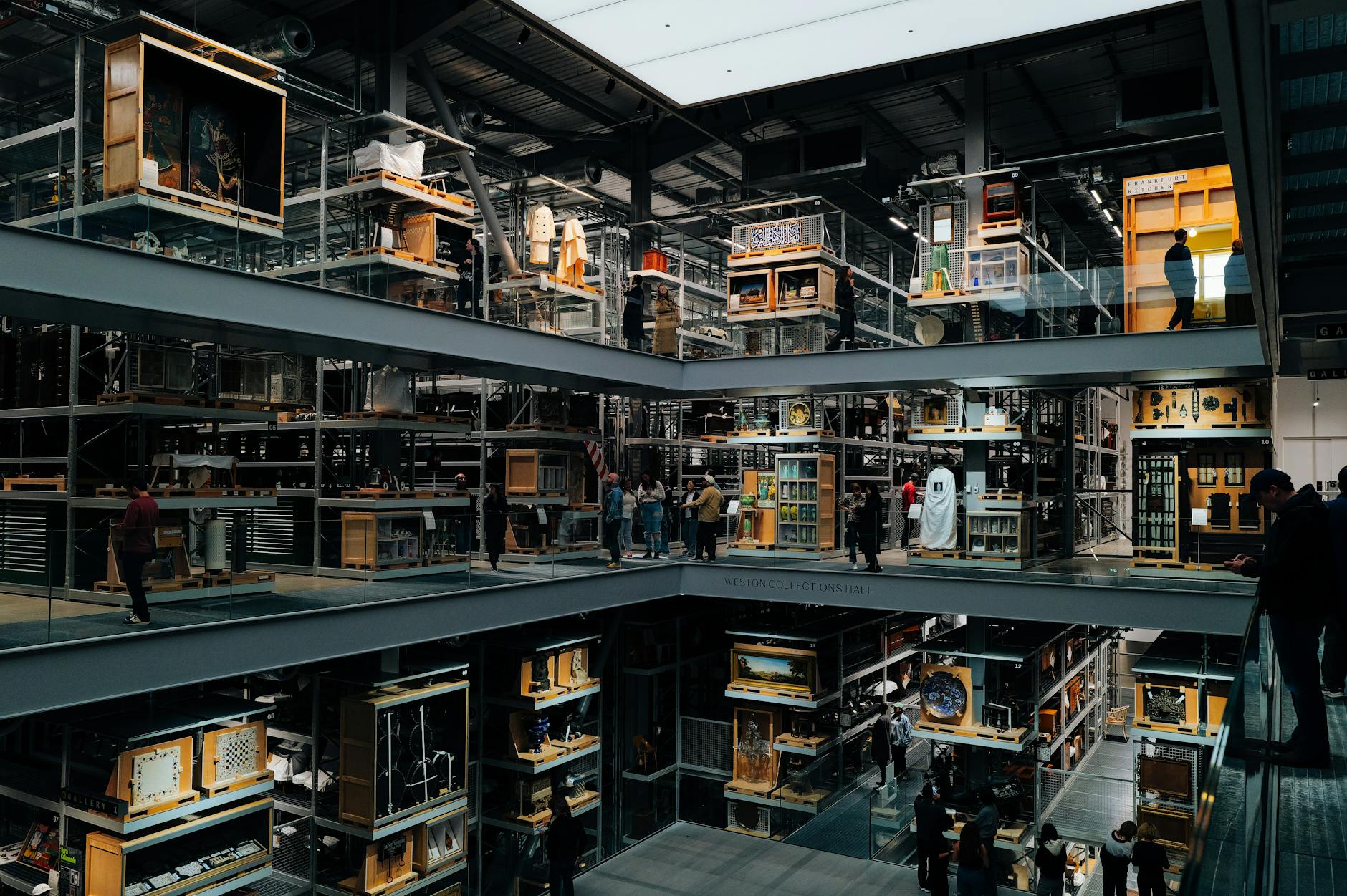
The Rise of Museum Retail as Cultural Currency
The shift began in the 1990s when museums faced budget cuts and sought new revenue streams. The Smithsonian Institution pioneered the museum-as-brand concept, licensing their collections for everything from home goods to fashion accessories. Today, owning a Frida Kahlo tote bag from the Brooklyn Museum or a Frank Lloyd Wright scarf from the Guggenheim signals cultural sophistication more than traditional luxury goods.
Social media amplified this trend dramatically. Instagram users showcase museum purchases as lifestyle accessories, with hashtags like #MuseumShop and #CulturalFinds generating millions of posts. The Victoria and Albert Museum in London reported a 300% increase in online sales after their gift shop items went viral on TikTok, particularly their William Morris-pattern phone cases and Liberty fabric notebooks.
Museums hire retail consultants from luxury fashion houses to curate their offerings. The Los Angeles County Museum of Art brought in former Barneys buyers to select their merchandise, resulting in collaborations with contemporary artists and designers that sell out within hours. Limited edition items create urgency typically reserved for Supreme drops or concert merchandise.
Design Objects That Outshine Ancient Artifacts
The quality gap between museum shops and traditional tourist merchandise has widened dramatically. While airport gift shops still sell generic trinkets, museum stores offer museum-quality reproductions and original designs inspired by their collections. The Chicago Art Institute’s shop features Japanese ceramics that rival gallery pieces, priced accessibly but crafted with attention to detail that mass retailers cannot match.
Exclusive collaborations drive foot traffic more than blockbuster exhibitions. When the Whitney Museum partnered with local artisans to create limited-edition prints inspired by their Basquiat collection, lines formed outside the gift shop before the museum opened. The Metropolitan Opera Shop’s costume-inspired jewelry line generates more buzz than many performances, with pieces worn by celebrities at red carpet events.
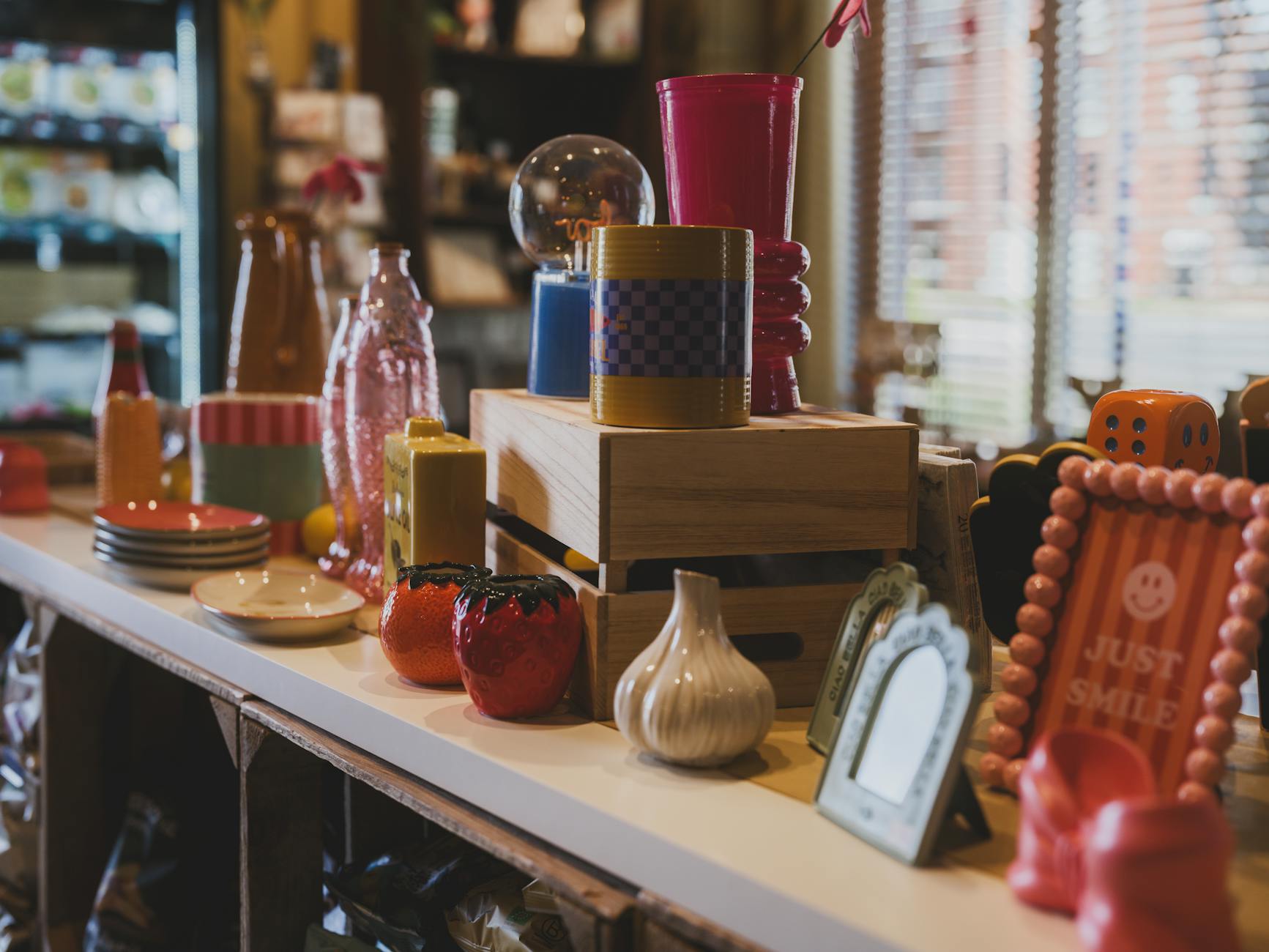
Museums leverage their curatorial expertise to validate consumer choices. A coffee table book from the Louvre carries more cultural weight than the same title from a commercial publisher, even when the content is identical. This cultural authority transforms everyday objects into aspirational purchases, with museum provenance justifying premium pricing for items like tea towels and pencil sets.
The Psychology of Cultural Consumption
Museum shopping satisfies the desire for cultural engagement without requiring deep knowledge or time investment. Purchasing a Monet water lily umbrella from the National Gallery provides instant connection to high culture that viewing the actual painting might not achieve for casual visitors. The transaction creates a tangible relationship with art that digital images cannot replicate.
The phenomenon mirrors how BookTok has transformed book marketing, where aesthetic appeal often trumps content quality. Museum merchandise succeeds because it packages high culture in approachable formats, making art history accessible through functional objects that integrate into daily life.
Demographics reveal surprising patterns in museum retail consumption. Millennials and Gen Z visitors spend more time and money in gift shops than previous generations, viewing purchases as social media content and personal branding tools. A Van Gogh phone case communicates artistic appreciation more efficiently than explaining a gallery visit, especially on platforms where visual communication dominates.
Research from the American Alliance of Museums shows that visitors who make purchases report higher satisfaction with their museum experience overall. The shopping component extends engagement beyond the visit, with purchased items serving as daily reminders of the cultural experience. This psychological connection drives repeat visits and word-of-mouth marketing more effectively than traditional advertising.
Economic Impact and Cultural Implications
Museum retail has become essential to institutional survival. The Tate Modern in London generates 30% of its operating revenue from retail and dining, with their gift shop profits funding educational programs and conservation efforts. The model has spread globally, with even small regional museums investing heavily in retail spaces and e-commerce platforms.
The success has attracted criticism from cultural purists who argue that commercialization diminishes the contemplative nature of art appreciation. Critics point to visitors photographing gift shop items more frequently than artworks themselves, suggesting that consumption has replaced contemplation as the primary museum activity.

However, museum directors defend retail expansion as democratizing access to culture. The Barnes Foundation’s gift shop director notes that their merchandise reaches audiences who would never visit Philadelphia, spreading awareness of their collection through everyday objects that spark curiosity about art history. Online sales data shows purchases from small towns without major museums, suggesting retail serves an educational function beyond revenue generation.
The trend has influenced museum architecture and planning. New institutions allocate significant square footage to retail spaces, often positioning gift shops as the final stop on visitor routes to maximize purchase likelihood. The National Museum of African American History and Culture designed their shop as a continuation of the exhibition experience, with merchandise that extends storytelling beyond the galleries.
Museum gift shops have evolved from afterthoughts into cultural destinations that compete with the institutions they serve. As traditional retail struggles with online competition and changing consumer habits, museums have created spaces where physical shopping remains compelling through cultural authority and curatorial expertise. The trend suggests that in an increasingly digital world, the combination of cultural validation and tangible objects fulfills consumer desires that pure commerce cannot match.
Frequently Asked Questions
Why are museum gift shops so popular now?
They offer culturally validated products that serve as lifestyle accessories and social media content, making high culture accessible through everyday objects.
Do museum shops really make more money than exhibits?
Many major museums report that retail generates 20-40% of operating revenue, with some gift shops earning more per square foot than luxury retailers.