





The weekly grocery run is becoming extinct. Meal kit delivery services now command over 150 million orders annually across the United States, fundamentally reshaping how Americans think about food shopping and meal preparation. What started as a convenience for busy professionals has evolved into a complete reimagining of the traditional grocery store model.
Companies like Blue Apron, HelloFresh, and Home Chef have transformed from startup experiments into billion-dollar enterprises, with HelloFresh alone reporting over 7.2 million active customers worldwide. This shift represents more than consumer convenience – it signals a fundamental change in how households manage food procurement, waste, and meal planning in an increasingly digital world.

The Economics of Convenience
The financial appeal of meal kits extends beyond simple convenience pricing. Traditional grocery shopping involves significant hidden costs that meal kit services eliminate. The average American family throws away approximately $1,500 worth of food annually, according to the Natural Resources Defense Council. Meal kits address this waste by providing precisely portioned ingredients, eliminating the need to buy full containers of specialty items used only once.
Time calculations reveal another compelling factor. The typical grocery shopping trip, including travel, shopping, and checkout, consumes 43 minutes. Add meal planning and preparation time, and households spend over three hours weekly on food-related activities. Meal kits reduce this to roughly 30 minutes of cooking time per meal, with no planning or shopping required.
Premium pricing initially deterred mainstream adoption, but competitive pressures have driven costs down significantly. Many services now offer meals starting at $8.99 per serving, competitive with restaurant delivery and often less expensive than purchasing equivalent organic ingredients at traditional grocery stores. Corporate partnerships have further reduced barriers – employers increasingly offer meal kit services as employee benefits, and major retailers like Kroger and Walmart now stock meal kit options in physical stores.
The Psychology of Choice Architecture
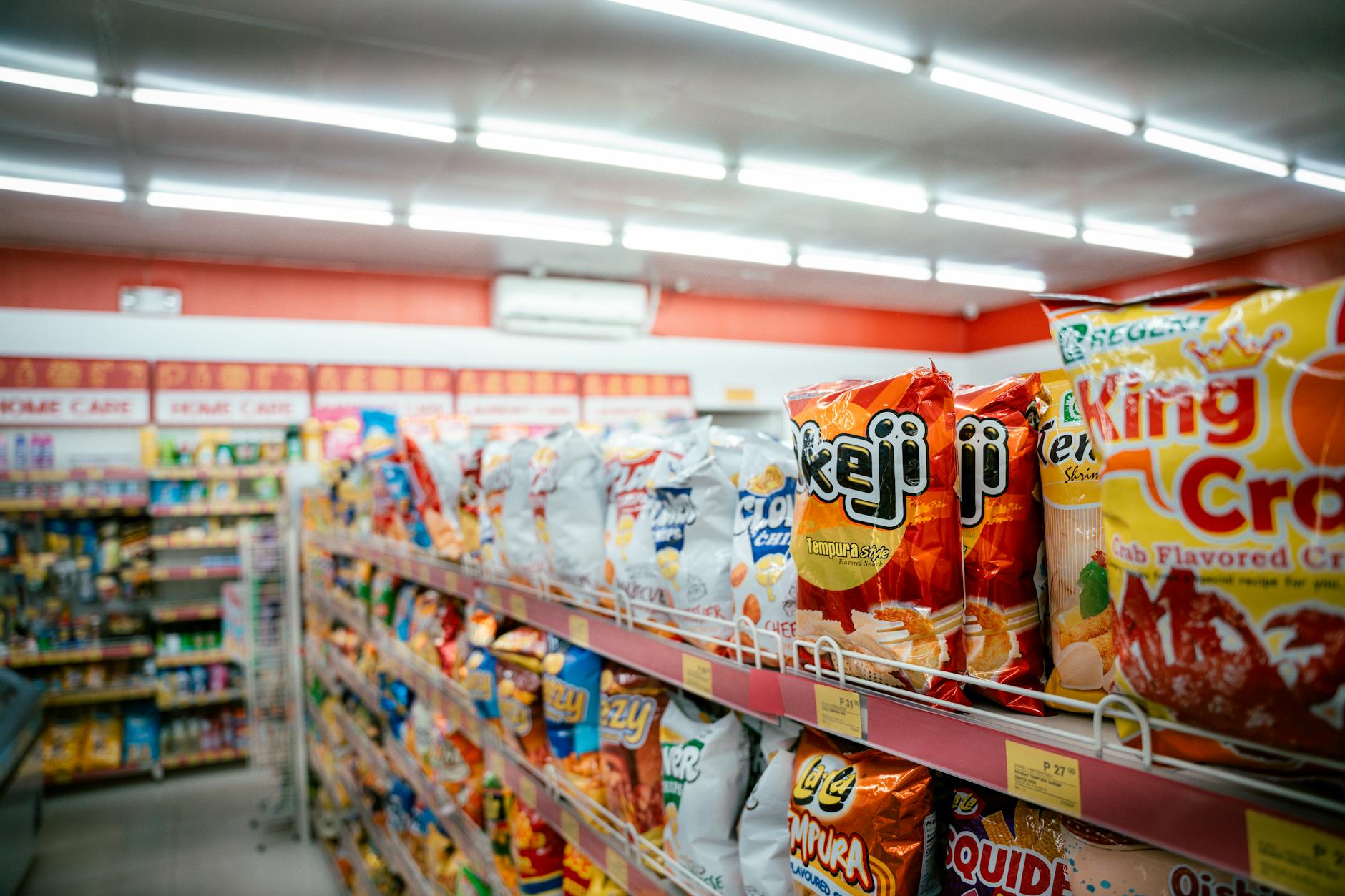
Traditional grocery stores overwhelm consumers with approximately 40,000 different products, creating decision fatigue that meal kits strategically eliminate. Instead of navigating endless aisles, customers choose from curated weekly menus typically featuring 10-15 options. This constraint paradoxically increases satisfaction by reducing cognitive load.
The subscription model creates behavioral changes that extend beyond individual meals. Customers report improved eating habits, increased vegetable consumption, and greater willingness to try new cuisines. The pre-commitment aspect of subscriptions helps overcome the daily “what’s for dinner” decision that often leads to unhealthy last-minute choices or expensive takeout orders.
Meal kit companies have mastered what behavioral economists call “choice architecture” – designing decision environments to promote better outcomes. Weekly menu selections arrive via email with professional photography and detailed descriptions, making healthy options more appealing than the fluorescent-lit produce section of a typical supermarket. The gamification elements, including cooking challenges and seasonal specialties, engage customers in ways traditional grocery shopping cannot match.
Supply Chain Innovation and Sustainability
The meal kit industry has pioneered supply chain innovations that traditional grocery retailers are now adopting. Direct relationships with farms allow for better quality control and traceability, with many services highlighting specific farm sources and seasonal availability. This farm-to-consumer model reduces the typical 7-10 day journey from harvest to consumer that characterizes traditional grocery distribution.
Packaging innovations address environmental concerns while maintaining food safety standards. Companies like Purple Carrot and Sunbasket have developed compostable insulation materials and recyclable containers, responding to customer demand for sustainable options. The precision logistics also reduce overall food waste in the supply chain, as production quantities more closely match actual consumption.
Geographic expansion has revealed interesting regional preferences that influence menu development. West Coast customers show higher demand for plant-based options, while Southern markets prefer comfort food adaptations. This granular data allows for inventory optimization impossible in traditional retail settings, where regional preferences are harder to track and accommodate.
Technology integration extends beyond simple ordering platforms. Smart kitchen appliances now connect with meal kit services to provide automated cooking instructions, and AI-powered recommendation engines suggest meals based on past preferences and dietary restrictions. Some services experiment with IoT sensors in packaging to monitor temperature and freshness during delivery, ensuring optimal quality upon arrival.
The Grocery Store Response
Traditional grocery retailers have not remained passive observers. Major chains now offer their own meal kit services, leverage existing distribution networks, and integrate pickup options with regular shopping. Kroger’s partnership with Home Chef demonstrates how established retailers can compete by combining meal kit convenience with traditional grocery shopping economies of scale.
Amazon’s acquisition of Whole Foods and subsequent meal kit offerings represent the most significant competitive threat to standalone meal kit companies. The e-commerce giant’s logistics expertise and existing customer relationships create advantages that pure-play meal kit services struggle to match. Amazon Fresh now offers meal kits alongside traditional grocery delivery, allowing customers to supplement meal kits with household essentials and additional ingredients.

The competitive landscape continues evolving as traditional boundaries blur. Restaurants partner with meal kit services to offer at-home versions of popular dishes, while meal kit companies expand into ready-to-eat options and ingredient marketplaces. This convergence suggests the future of food retail will combine elements of traditional grocery shopping, meal kits, and restaurant experiences in ways currently being tested across multiple platforms.
The transformation extends beyond urban markets typically associated with meal kit adoption. Rural areas, often underserved by traditional grocery options, increasingly rely on meal kit delivery for access to fresh, diverse ingredients. This geographic expansion challenges assumptions about digital food retail and suggests broader implications for food access and rural economic development.
As meal planning becomes increasingly automated and personalized, the weekly grocery store visit may become as obsolete as the daily milk delivery once was. The question is no longer whether meal kits will replace traditional grocery shopping for some consumers, but how quickly this transformation will accelerate and which hybrid models will emerge to serve the evolving demands of modern households.
Frequently Asked Questions
Are meal kits more expensive than grocery shopping?
While per-serving costs are higher, meal kits eliminate food waste and reduce time costs, making them competitive with restaurant delivery and organic grocery shopping.
How do meal kits reduce food waste?
Meal kits provide precisely portioned ingredients, eliminating the need to buy full containers of specialty items and reducing the $1,500 annual food waste typical households generate.