





Bookstore chains report declining attendance at their reading groups while libraries nationwide see waiting lists for their book clubs stretch into the hundreds. This shift represents more than changing literary tastes – it signals a fundamental transformation in how communities connect over stories.
The American Library Association reports that book club participation at public libraries has increased by 65% since 2019, with some systems hosting dozens of specialized groups. Meanwhile, major bookstore chains have quietly scaled back their community programming, citing overhead costs and diminishing returns on events that don’t directly drive sales.
The Economics of Connection
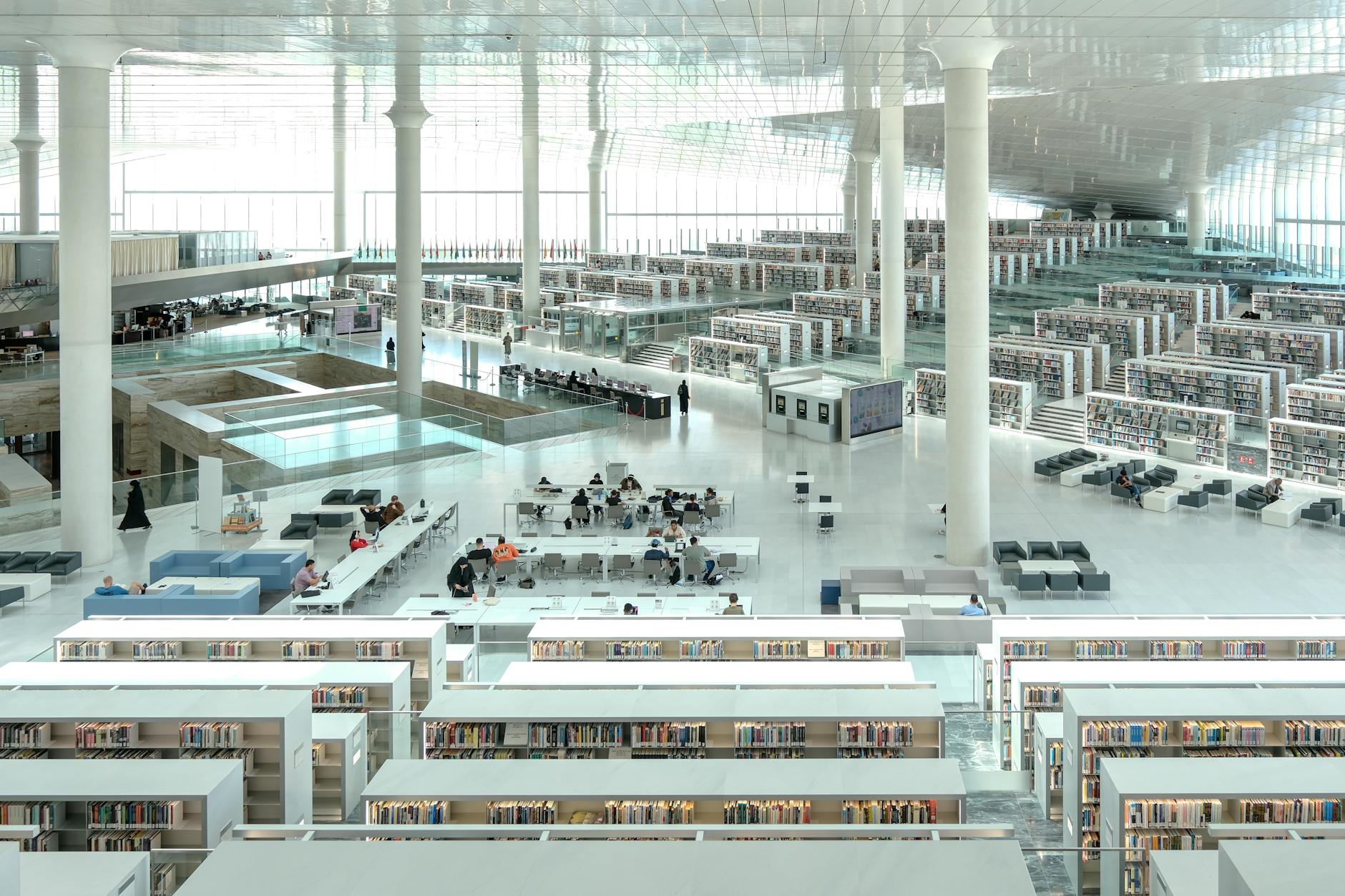
Libraries offer what commercial bookstores cannot: truly free participation. Book clubs at Barnes & Noble or independent shops typically expect members to purchase featured titles, creating a financial barrier that excludes many potential participants. Library book clubs provide multiple copies through their collections, interlibrary loans, and digital lending platforms.
“We have members who’ve been unemployed, single parents stretching budgets, college students, and retirees on fixed incomes,” says Maria Santos, community engagement coordinator at Chicago Public Library’s main branch. “Everyone gets the same access to books and discussion.”
This economic accessibility has opened doors for demographics traditionally underrepresented in bookstore environments. Library book clubs report higher participation from seniors, families with children, and working-class readers who view bookstores as retail spaces rather than community centers.
The staffing model also differs significantly. Libraries employ trained librarians who facilitate discussions as part of their professional duties, while bookstore clubs often rely on volunteers or part-time staff with varying levels of experience in group moderation.
Specialized Communities Finding Their Voice
Public libraries have embraced niche programming that bookstores rarely attempt. The Brooklyn Public Library system runs separate clubs for graphic novels, science fiction, historical fiction, memoirs, and books in translation. Seattle Public Library hosts a “Difficult Conversations” book club that tackles controversial topics libraries feel equipped to handle through their commitment to intellectual freedom.
“We’re seeing clubs for neurodivergent readers, LGBTQ+ focused groups, and discussion circles for people learning English as a second language,” explains Jennifer Park, who coordinates programming for the Los Angeles Public Library system. “Bookstores need broad appeal to justify floor space. We can serve specific communities.”
Libraries also leverage their existing infrastructure for specialized needs. Many offer large-print editions, audiobook versions, and digital accessibility tools that make participation possible for readers with disabilities. Some provide translation services or multilingual materials that commercial venues cannot economically support.
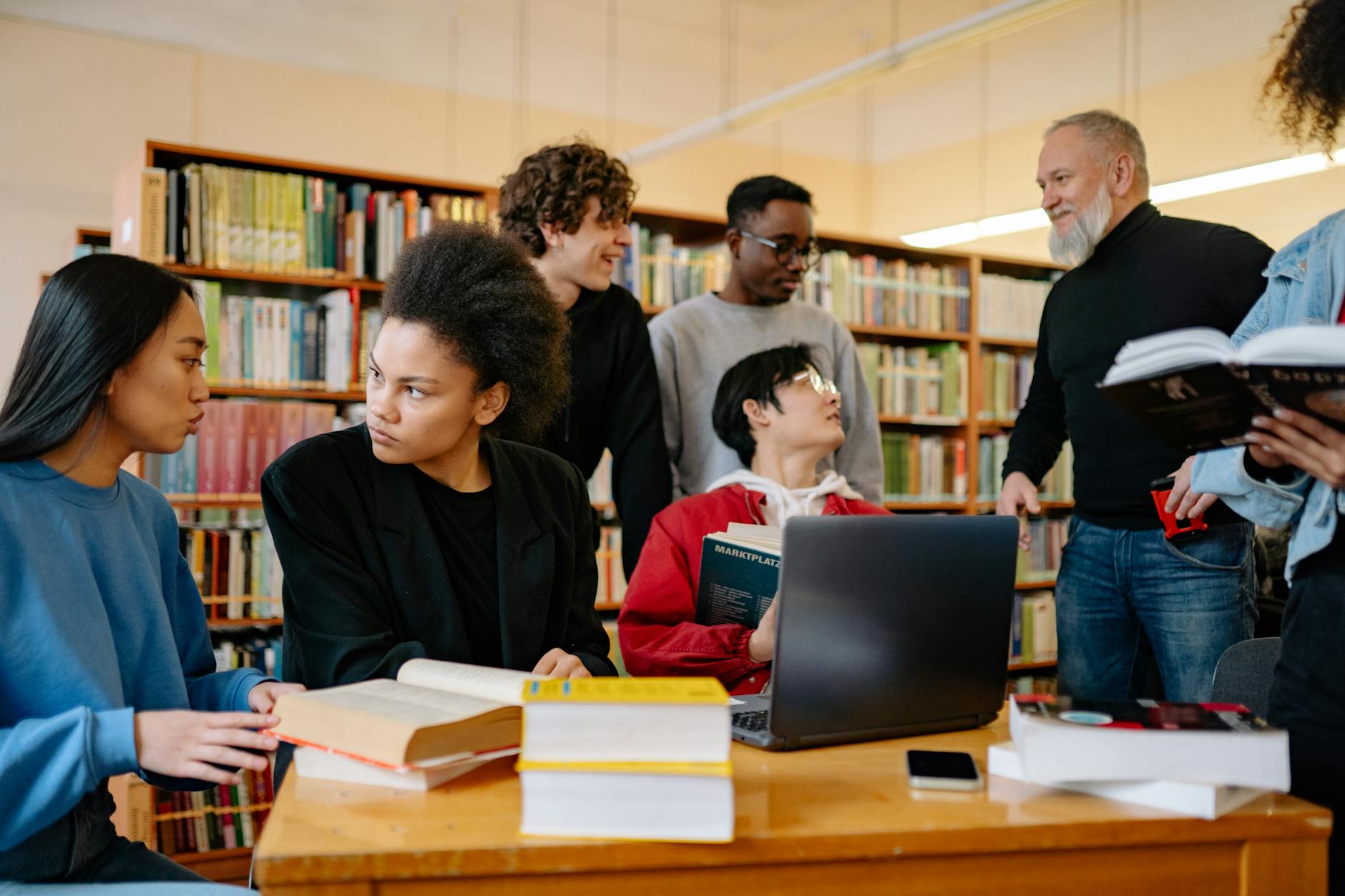
The programming extends beyond traditional book discussions. Libraries host author visits via video calls, organize themed events around book selections, and coordinate with local museums or historical societies for enhanced experiences. These partnerships utilize public funding and community relationships that bookstores struggle to replicate.
Digital Integration and Hybrid Experiences
Libraries have successfully merged digital tools with in-person gatherings in ways that bookstores haven’t matched. Many library book clubs maintain active online discussion forums between meetings, share reading resources through library websites, and offer hybrid participation options for members who cannot always attend in person.
The COVID-19 pandemic accelerated this integration when libraries quickly pivoted to virtual book clubs while maintaining their programming schedules. Many discovered that online options actually increased participation by removing transportation barriers and scheduling conflicts. Post-pandemic, numerous library systems continue offering both virtual and in-person options.
“We have members who join from their lunch breaks, parents who participate after kids are asleep, and people who moved away but stayed connected to our community,” notes David Chen, digital services librarian in Portland. “Bookstores lost momentum during closures, but we maintained relationships.”
Libraries also provide digital literacy support that helps older readers navigate e-books and audiobooks, expanding their club participation beyond physical book limitations. This educational component positions libraries as technology facilitators rather than just book repositories.
The Future of Literary Community
Independent bookstores are responding by repositioning themselves as curated cultural spaces rather than mass community centers. Some focus on author events, specialized workshops, or intimate gatherings that emphasize the retail experience alongside literary discussion. Chain bookstores appear to be scaling back community programming in favor of merchandise and cafe operations.
Libraries, meanwhile, are expanding their definition of book clubs entirely. Some systems now host podcast discussion groups, poetry workshops, and creative writing circles that build on their book club foundation. The infrastructure that supports reading groups easily adapts to broader literary programming.
This trend mirrors broader cultural shifts toward community-supported resources, similar to how escape rooms evolved into team therapy for modern relationships. Public institutions are filling social connection needs that commercial businesses cannot sustainably provide.
As library book clubs continue growing, they’re likely to influence how all cultural institutions approach community programming. The model demonstrates that accessibility, professional facilitation, and genuine community commitment create more sustainable engagement than commercial approaches to literary culture.
Frequently Asked Questions
Why are library book clubs more popular than bookstore clubs?
Libraries offer free participation, multiple book copies, trained facilitators, and specialized programming that bookstores cannot economically provide.
What types of specialized book clubs do libraries offer?
Libraries host clubs for graphic novels, science fiction, neurodivergent readers, LGBTQ+ groups, and people learning English as a second language.