





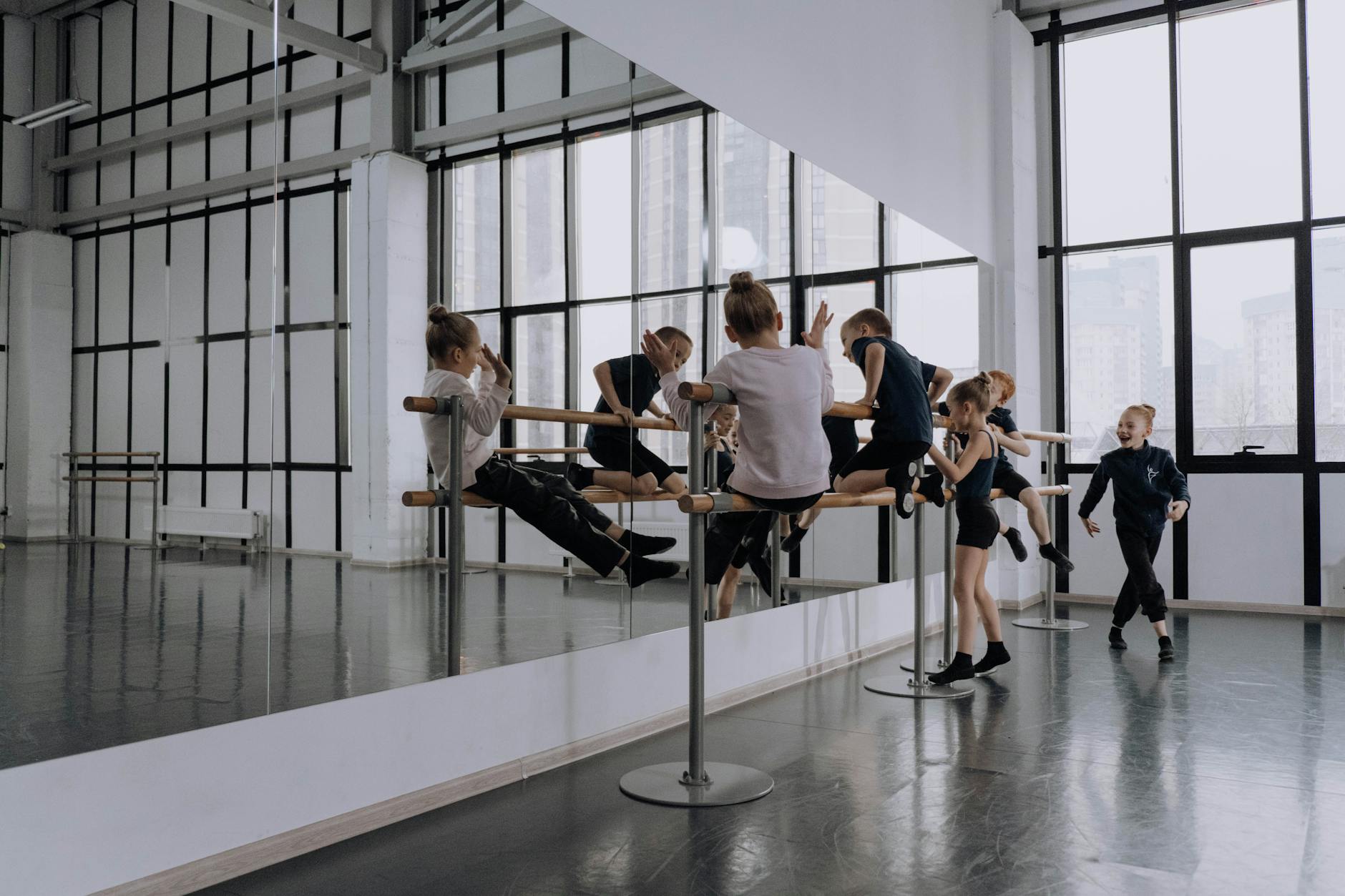
Walk into any dance studio in Los Angeles, New York, or Miami these days, and you’ll likely hear the synchronized beats of “Dynamite” or “Butter” echoing through the halls. Traditional ballet barres now share space with mirrors plastered with BTS and BLACKPINK posters. The revolution is quiet but undeniable: K-pop choreography classes are fundamentally reshaping the American dance education landscape.
From suburban strip malls to prestigious dance conservatories, Korean pop choreography has emerged as the fastest-growing segment in dance instruction. What started as a niche interest among Korean drama fans has exploded into mainstream phenomenon, attracting students who might never have set foot in a traditional dance studio.
The Numbers Behind the Movement
The statistics tell a compelling story. CLI Studios, one of the largest online dance platforms, reports that K-pop classes now account for 40% of their enrollment, surpassing jazz and contemporary combined. Millennium Dance Complex in Los Angeles, where celebrities like Britney Spears once trained, has added six dedicated K-pop instructors to meet demand.
“We went from offering one K-pop class a week to fifteen,” says Maria Rodriguez, director of DanceFit Studios in Phoenix. “Our enrollment tripled when we started advertising K-pop classes on social media. Parents drive two hours to get their kids here.”
The demographic shift is equally striking. Traditional dance studios historically catered to young girls pursuing ballet or jazz. K-pop classes draw a more diverse crowd: teenagers of all genders, college students, and adults in their twenties and thirties discovering dance for the first time. Many studios report that 60% of K-pop students had no prior dance experience.
This mirrors broader changes in how younger generations consume entertainment. Just as Instagram Reels transformed music video formats, social media platforms have made K-pop choreography more accessible than ever. TikTok challenges and YouTube tutorials create a pipeline from bedroom dancing to studio enrollment.
Why K-Pop Choreography Resonates
K-pop choreography succeeds where traditional dance forms sometimes struggle: accessibility and community. Unlike ballet’s rigid technique requirements or contemporary dance’s emphasis on emotional expression, K-pop offers structured routines that beginners can master in weeks, not years.
“Traditional dance can be intimidating,” explains Jennifer Kim, a former professional dancer who now teaches K-pop at three Los Angeles studios. “Students worry about turnout, port de bras, or whether they’re expressing the right emotion. K-pop is about precision, synchronization, and having fun. The barrier to entry is much lower.”
The music itself drives engagement. While classical ballet relies on centuries-old compositions, K-pop choreography uses chart-topping hits students already know and love. Groups like TWICE, Stray Kids, and NewJeans release intricate choreographies designed for social media virality, creating built-in motivation for students to perfect routines.
Community building happens naturally in K-pop classes. Students bond over shared fandoms, discussing comeback schedules and music video theories between combinations. Studios report that K-pop students are more likely to attend multiple classes per week and participate in showcases.
Traditional Studios Adapt or Fall Behind
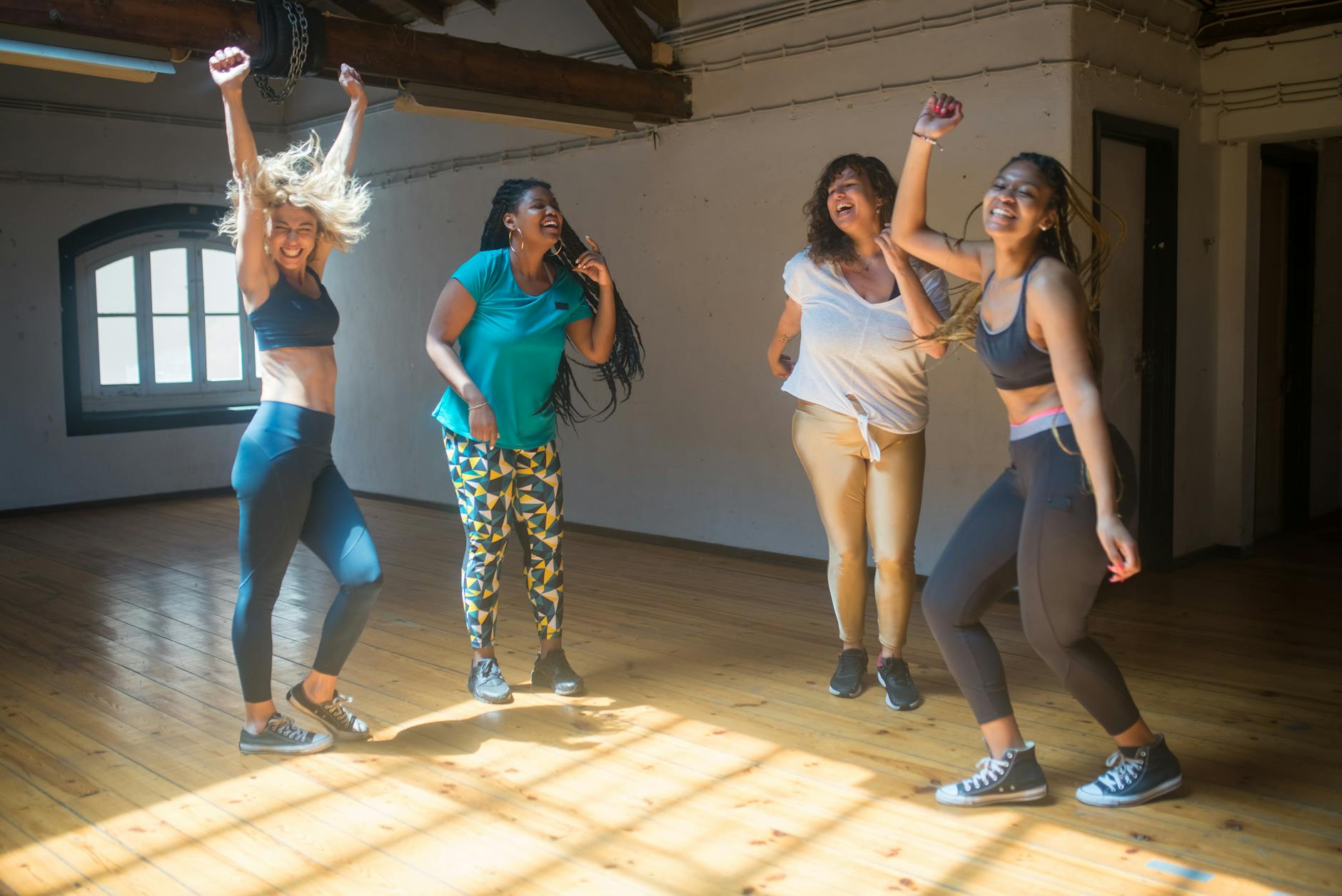
The K-pop boom has forced established dance institutions to reconsider their programming. Steps on Broadway in New York, a 40-year institution known for musical theater training, added K-pop classes in 2022 after seeing enrollment decline in traditional offerings.
“We initially resisted,” admits artistic director Robert Chen. “We thought it was a fad. But when our jazz classes were half-empty and people were asking daily about K-pop, we had to listen to our market.”
The adaptation isn’t just about adding classes. Studios are revamping their social media presence, hiring younger instructors, and redesigning spaces to accommodate filming for TikTok and Instagram. The traditional dance studio model of serious, focused training is giving way to a more social, content-creation friendly environment.
Some purists worry about technical standards. K-pop choreography emphasizes sharp, precise movements over the fluid technique taught in ballet or contemporary classes. Critics argue that students miss foundational training that could benefit them long-term.
However, many instructors see K-pop as a gateway drug to dance. Studios report that students who start with K-pop often branch into hip-hop, jazz funk, or even contemporary classes once their confidence builds. The key is meeting students where they are, not where instructors think they should be.
The Business Model Revolution
K-pop’s influence extends beyond choreography into how dance studios operate. Traditional dance education followed a recital-based model: students trained year-round for one or two major performances. K-pop classes operate more like fitness programs, with drop-in options, monthly showcases, and social media-focused performances.
Revenue models have shifted accordingly. Instead of expensive costume fees and venue rentals for annual recitals, studios generate income through workshop intensives, K-pop “bootcamps,” and online class packages. Some studios partner with Korean cultural centers or beauty brands for sponsored events, tapping into the broader Hallyu wave.
The teacher training pipeline has also transformed. Many K-pop instructors come from dance crews rather than formal conservatory training. They bring street credibility and social media savvy that traditional dance teachers might lack. Studios are creating new certification programs specifically for K-pop instruction, recognizing it as a distinct discipline.
Looking Forward: Beyond the Trend
As K-pop continues its global dominance, the dance studio transformation appears permanent rather than temporary. The success of groups like SEVENTEEN and aespa ensures a steady stream of new choreography to learn, while emerging genres like Y2K-influenced performances keep the style evolving.
Industry observers predict that K-pop’s influence will spread beyond choreography classes. The emphasis on group synchronization, social media integration, and accessible technique is already appearing in other dance genres. Hip-hop classes incorporate K-pop’s precision, while jazz classes adopt their performance energy.
The bigger question is whether traditional dance forms will continue to find relevance with younger generations. As digital natives increasingly prefer bite-sized, shareable content over lengthy classical performances, dance education must continue adapting to survive.
For now, the sound of “Kill This Love” choreography echoes through studios nationwide, marking a cultural shift that’s reshaping not just what Americans dance to, but how they think about dance itself. The revolution is complete – traditional studios have been remixed.
Frequently Asked Questions
Do K-pop choreography classes require dance experience?
No, most K-pop classes welcome complete beginners and focus on accessible, structured routines that can be learned quickly.
What age groups attend K-pop dance classes?
K-pop classes attract a diverse range from teenagers to adults in their thirties, with many studios reporting 60% of students had no prior dance experience.