




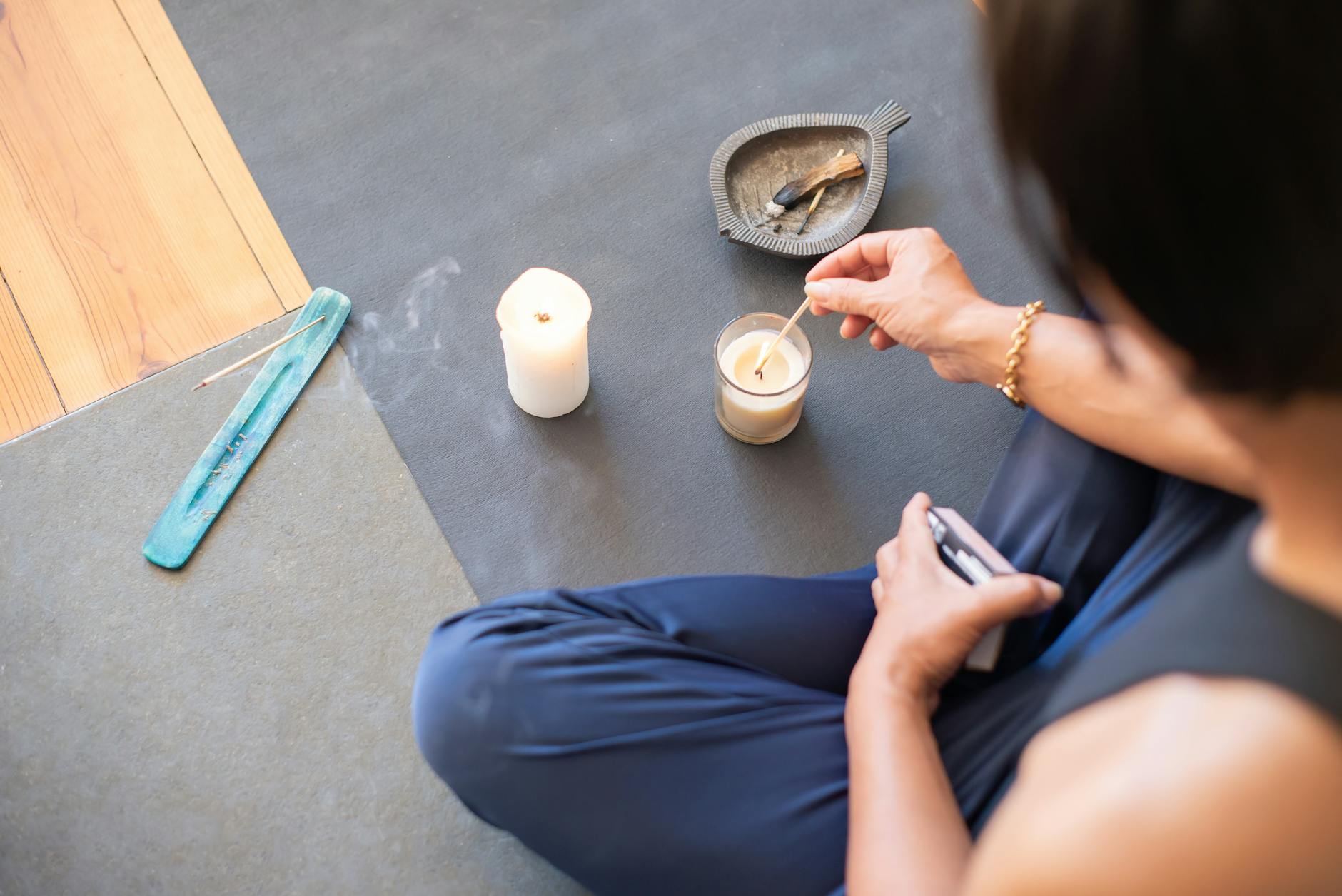
Sarah Martinez lights a candle at 6:30 AM every morning, not for romance or ambiance, but for her Korean skincare routine. The 34-year-old marketing executive from Denver treats her 10-step regimen like a sacred ritual, complete with breathing exercises between each product application. She’s part of a growing movement of American women who’ve transformed K-beauty routines from cosmetic maintenance into mindfulness practice.
What started as curiosity about glass skin and snail mucin has evolved into something deeper. Across the United States, women report using their Korean-inspired skincare routines as daily meditation, turning bathroom counters into altars of self-care and finding zen in the methodical application of essences, serums, and sheet masks.
The phenomenon reflects a broader cultural shift toward wellness practices that blend Eastern traditions with Western lifestyle needs. While meditation apps struggle with user retention rates, these skincare rituals offer something tangible – visible results alongside mental clarity.
The Art of Slow Beauty
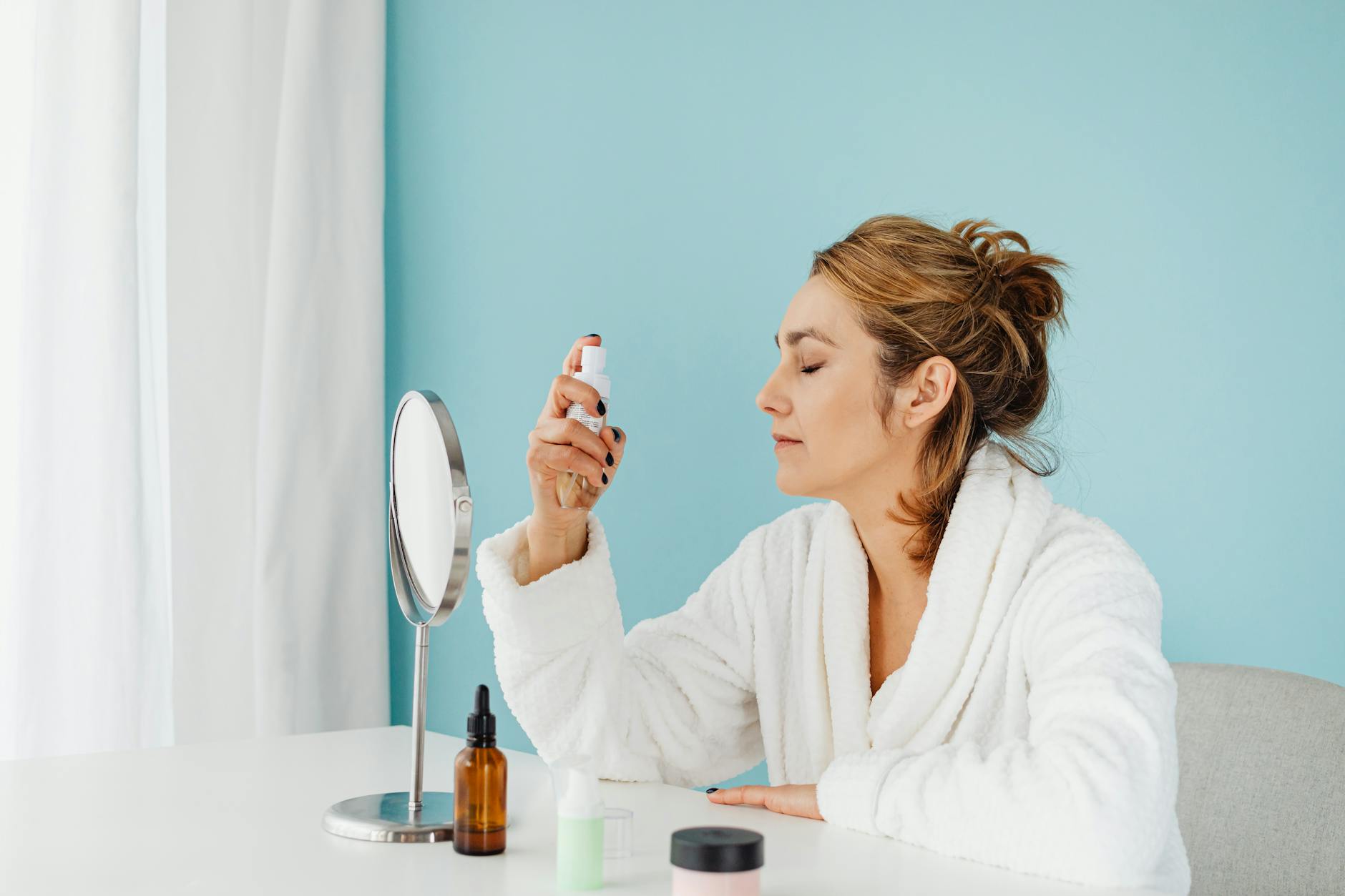
Korean skincare philosophy emphasizes prevention over correction, gentle consistency over aggressive treatments. This approach naturally aligns with mindfulness principles that American women were already seeking. Dr. Emily Chen, a dermatologist in Los Angeles who specializes in K-beauty treatments, explains the psychological appeal.
“Korean skincare requires patience and presence. You can’t rush through 10 steps while scrolling your phone. It forces you to be present with yourself for 15-20 minutes twice daily,” Chen notes. “Many patients tell me it’s the only time they’re completely focused on self-care.”
The ritualistic nature begins with the famous double cleanse – oil cleanser followed by water-based cleanser. Then comes toner, essence, serums, eye cream, moisturizer, and sunscreen for morning routines. Evening versions often include additional treatments like sheet masks or sleeping packs.
Each step requires gentle patting motions, waiting periods for absorption, and careful observation of how skin responds. The Korean concept of “nunchi” – the ability to read situations and respond appropriately – extends to reading your skin’s daily needs and adjusting products accordingly.
Beauty influencer Jessica Kim, whose YouTube channel “Glass Skin Journey” has 800,000 subscribers, credits her routine with helping manage anxiety. “I started doing K-beauty for better skin, but it became my anchor. No matter how chaotic my day gets, I have these two moments of complete calm.”
From Sephora Shelves to Sacred Space
The transformation of Korean skincare from beauty trend to wellness practice coincided with the wellness industry’s explosive growth. While Americans spent over $18 billion on mindfulness and meditation apps in recent years, many struggled with traditional meditation practices that felt abstract or culturally disconnected.
Korean skincare offered a bridge – ancient wellness wisdom packaged in accessible, Instagram-worthy products. Brands like Glow Recipe, Tatcha, and Peach & Lily began marketing their products not just as skincare but as self-care rituals. The messaging worked.
Target and Sephora report that Korean skincare sales consistently outperform other beauty categories, with customers showing unusual loyalty to multi-step routines rather than single products. Beauty retailers note that K-beauty shoppers often purchase entire systems rather than individual items, suggesting they’re buying into the ritual as much as the results.
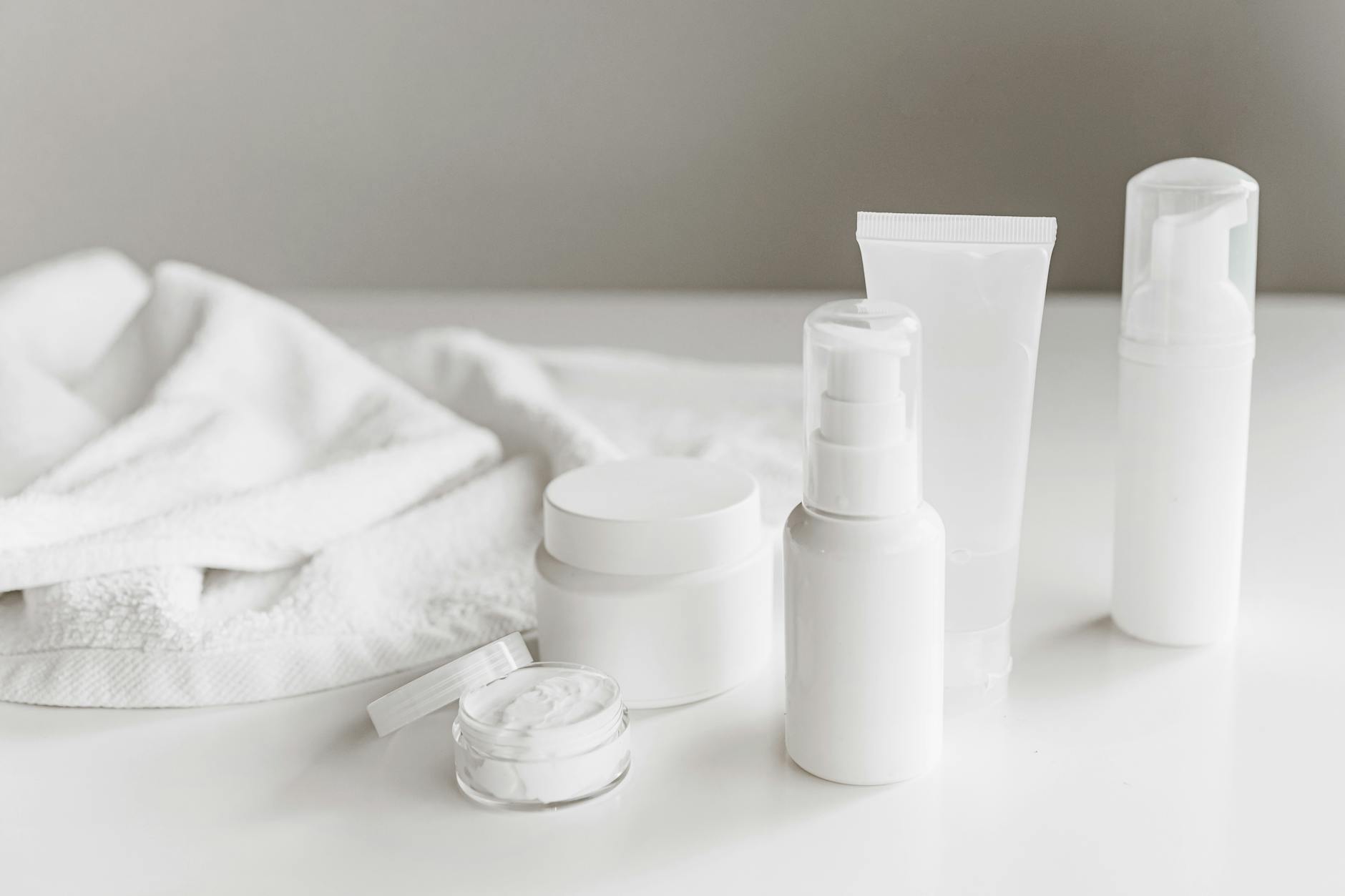
The practice gained momentum during the pandemic when traditional wellness outlets like yoga studios and spas closed. Women found solace in creating spa-like experiences at home, with Korean sheet masks becoming a symbol of self-care Sunday posts across social media.
“During lockdown, my Korean skincare routine became my church,” says Maria Rodriguez, a teacher from Austin. “It was 20 minutes of peace when everything else felt chaotic. I’d light incense, play meditation music, and go through each step like a prayer.”
The mindfulness aspect extends beyond application. Korean skincare culture emphasizes understanding your skin’s changing needs based on weather, stress, hormones, and seasons. This requires daily check-ins with yourself that many users describe as meditative self-assessment.
The Science of Skincare Meditation
Research supports the psychological benefits of ritual-based self-care. Studies on repetitive, mindful activities show they can reduce cortisol levels, lower blood pressure, and improve mood regulation. The physical act of gentle facial massage during skincare application stimulates pressure points and promotes lymphatic drainage, creating physiological relaxation responses.
Dr. Sarah Williams, a behavioral psychologist at Northwestern University who studies wellness trends, sees parallels between Korean skincare routines and proven stress-reduction techniques. “The multi-step process creates what we call ‘flow state’ – complete immersion in the present moment. The tactile nature, combined with the ritualistic sequence, activates the parasympathetic nervous system.”
The sensory elements enhance the meditative experience. Korean skincare products often feature unique textures – bouncy gels, silky essences, cooling metals from face tools. These textures require attention and presence, naturally pulling focus away from external stressors.
The visibility of results adds a psychological component that traditional meditation lacks. Users see clearer skin, reduced inflammation, and improved texture, creating positive reinforcement loops that encourage continued practice.
Many practitioners report that their skincare meditation extends beyond the bathroom. The mindful awareness cultivated during routines carries into daily life, improving overall stress management and self-awareness.
Beyond Beauty: Building Community
Korean skincare meditation has created unexpected communities. Online forums like Reddit’s SkincareAddiction and AsianBeauty have evolved into support networks where women share not just product recommendations but meditation techniques, mindfulness tips, and emotional support.
The practice has also influenced other consumer trends. Just as thrift store flipping became Gen Z’s answer to stock trading, Korean skincare routines represent a generation seeking meaning in consumer activities.
Local Korean beauty retailers report increased interest in educational workshops that teach not just product application but the cultural philosophy behind K-beauty. These sessions often include guided meditation components and discussions about Korean wellness concepts like “jeong” (deep affection) applied to self-care.
The trend has influenced product development across the beauty industry. Western brands now emphasize ritual and mindfulness in their marketing, recognizing that consumers want experiences, not just results.
The Future of Mindful Beauty
As Korean skincare meditation continues evolving, practitioners are adapting routines to deeper wellness practices. Some incorporate breathwork between steps, others use face massage tools based on traditional Chinese medicine principles, and many add aromatherapy elements through essential oil blends.
The practice represents a broader shift toward integrating wellness into daily necessities rather than treating self-care as separate activities. Like how meditation apps struggle with consistency, standalone wellness practices often fail because they feel like additions to already busy lives.
Korean skincare meditation succeeds because it transforms something people already do – washing and moisturizing their face – into meaningful ritual. This integration model is influencing other wellness trends, from mindful cooking practices to meditative cleaning routines.
As the wellness industry continues expanding, expect to see more hybrid practices that combine practical daily activities with mindfulness principles. Korean skincare meditation proves that ancient wisdom doesn’t need to be preserved in its original form to remain powerful – sometimes the most effective spiritual practices come wrapped in modern, accessible packages.
The bathroom mirror has become America’s new meditation altar, and glass skin might just be the path to inner peace.
Frequently Asked Questions
How long does a Korean skincare meditation routine take?
Most routines take 15-20 minutes twice daily, with each step requiring mindful application and absorption time.
What makes Korean skincare different from regular skincare?
Korean skincare emphasizes gentle, multi-step prevention over aggressive treatments, requiring patience and mindful presence.