





The 12-Step Revolution Taking Over American Offices
Google’s San Francisco headquarters now stocks sheet masks in employee bathrooms. Microsoft’s Redmond campus offers complimentary essence samples in wellness rooms. Amazon warehouses have installed skincare stations next to first aid kits. The Korean skincare routine, once the domain of beauty enthusiasts and K-pop fans, has infiltrated corporate America as the latest employee benefit designed to attract and retain talent in an increasingly competitive job market.
Companies across the United States are embracing the multi-step Korean beauty philosophy known as K-beauty, transforming workplace wellness programs from basic health insurance and gym memberships to elaborate skincare rituals that promise glowing complexions and reduced stress. The shift represents more than just corporate trend-chasing-it reflects a fundamental change in how American businesses approach employee wellbeing and work-life integration.
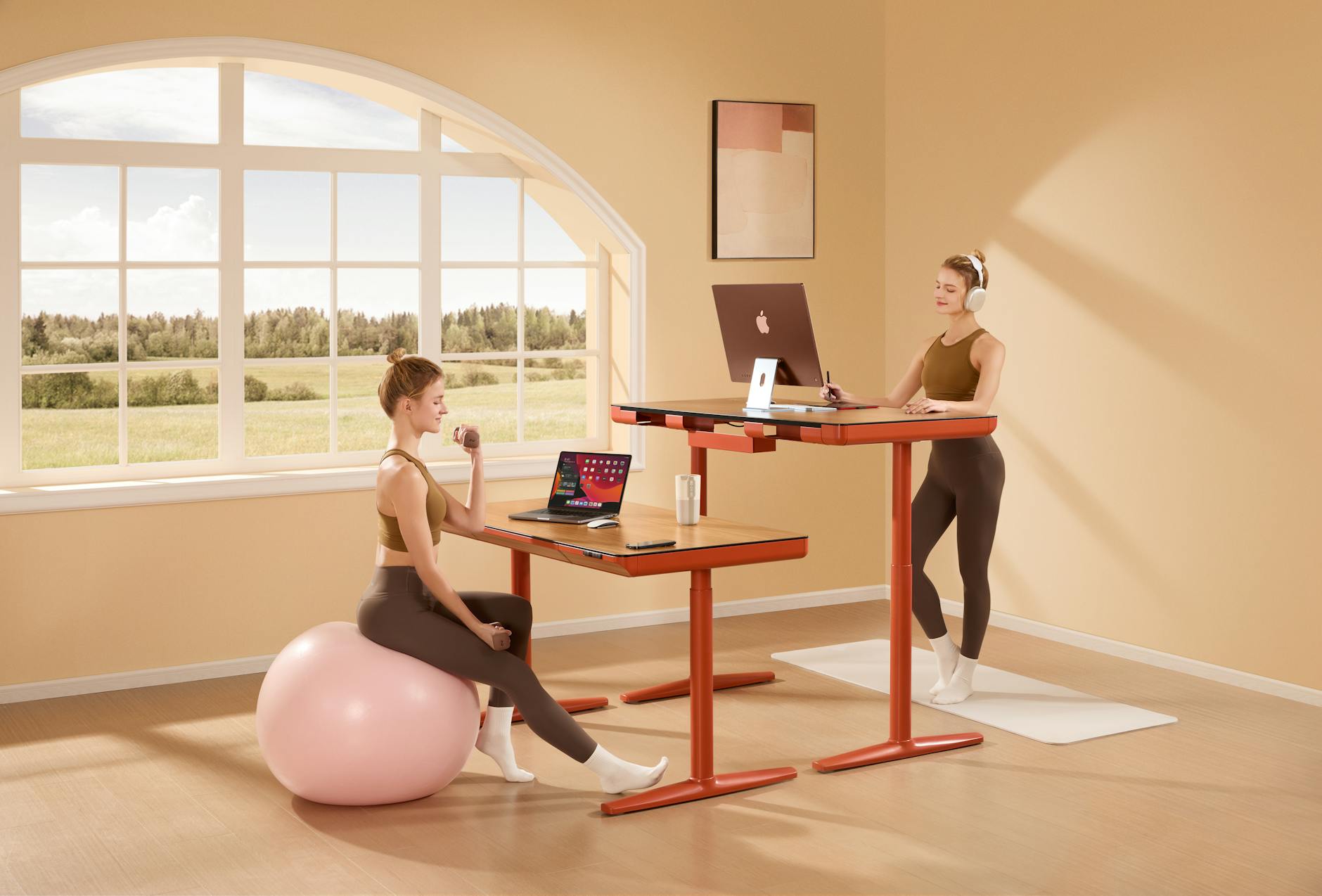
From Seoul to Silicon Valley: The Corporate Wellness Evolution
The integration of Korean skincare into corporate benefits packages began in tech hubs like Silicon Valley and Seattle, where companies compete fiercely for skilled workers. Samsung’s American offices were among the first to introduce comprehensive skincare programs, followed by tech startups seeking to differentiate themselves from traditional employers.
Korean skincare routines typically involve 8 to 12 steps, including double cleansing, toning, essence application, serums, moisturizers, and sun protection. This methodical approach appeals to corporate culture’s emphasis on systematic processes and measurable outcomes. Companies have found that employees respond positively to structured self-care routines that mirror the organizational thinking they apply to work projects.
Major corporations now partner with Korean beauty brands like Innisfree, The Face Shop, and Laneige to provide workplace skincare programs. These partnerships often include educational workshops where employees learn proper application techniques, ingredient benefits, and how to customize routines for different skin types and concerns.
The timing couldn’t be better for this cultural crossover. Korean beauty products generated over $2.7 billion in global sales last year, with the American market representing the fastest-growing segment outside of Asia. American consumers have embraced K-beauty’s emphasis on prevention over correction, gentle ingredients like snail mucin and ceramides, and the ritual aspect of multi-step routines.
Stress Relief and Productivity: The Business Case for Beautiful Skin
Corporate wellness directors cite multiple reasons for adopting Korean skincare programs. The ritualistic nature of multi-step routines provides built-in meditation breaks during stressful workdays. Employees report that the 10-minute morning and evening routines create mental boundaries between work and personal time, improving overall work-life balance.
Research from workplace wellness consultants shows that companies offering comprehensive beauty and self-care programs see reduced sick days and increased employee satisfaction scores. The social aspect of shared skincare routines also builds team cohesion, with employees bonding over product recommendations and treatment results.
Some companies have gone beyond basic product provision to create dedicated skincare spaces within offices. These “glow rooms” feature proper lighting, comfortable seating, and storage for employee products. During lunch breaks or after particularly stressful meetings, workers can retreat to these spaces for quick touch-ups or full routine applications.
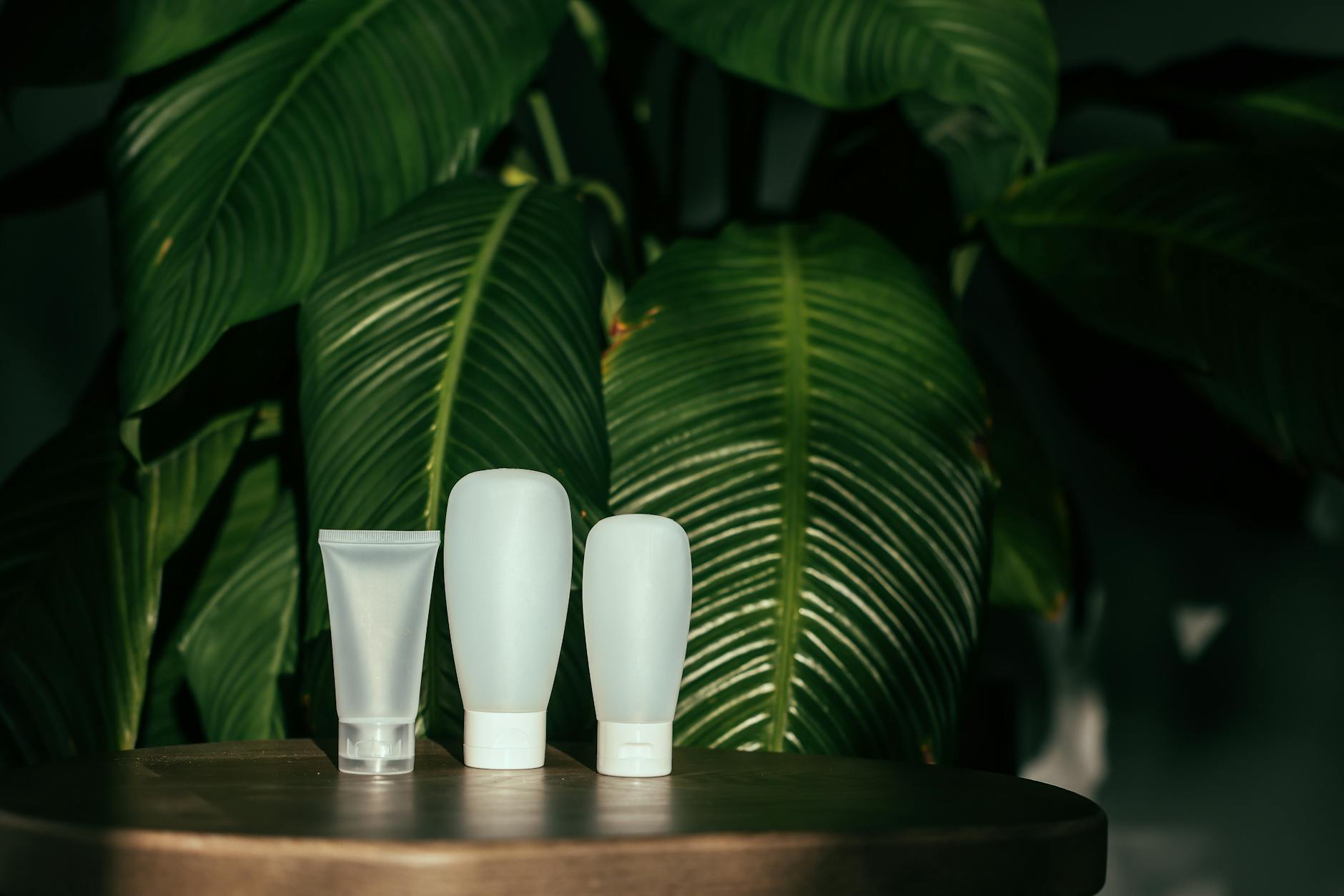
The measurable benefits extend beyond employee morale. Companies report that workers who participate in skincare programs show improved confidence during client presentations and video conferences. In an era where remote work and virtual meetings dominate professional interactions, clear, healthy skin has become a subtle but significant career advantage.
Financial services firms have been particularly enthusiastic adopters, viewing skincare programs as a way to modernize their traditionally conservative workplace cultures. Investment banks and consulting firms now offer quarterly “glow days” where employees receive professional facials and product consultations, transforming the high-stress financial sector’s approach to employee wellbeing.
Beyond Beauty: Cultural Integration and Global Workplace Trends
The corporate embrace of Korean skincare reflects broader cultural shifts in American workplaces. Similar to how Japanese forest bathing practices have gained corporate adoption, Korean beauty routines represent a growing acceptance of non-Western wellness philosophies in professional environments.
Companies are finding that multicultural wellness programs appeal to diverse workforces and demonstrate cultural sensitivity. Korean-American employees often serve as informal ambassadors for these programs, sharing cultural context and personal experiences that deepen colleagues’ understanding of K-beauty philosophy.
The integration goes beyond surface-level adoption. Some companies have restructured their daily schedules to accommodate skincare routines, extending lunch breaks or creating flexible start times that allow for morning beauty rituals. This scheduling flexibility acknowledges that effective skincare requires consistency and proper timing, particularly for products with specific application requirements.

International corporations with offices in both the United States and South Korea report that skincare programs help create cultural bridges between their globally distributed teams. Video conferences between Seoul and American offices now commonly begin with discussions of new products or routine modifications, providing natural conversation starters that transcend traditional business topics.
The trend has spawned an entire industry of corporate wellness consultants specializing in beauty program implementation. These specialists help companies navigate cultural sensitivities, select appropriate products for different climates and skin types, and create educational materials that explain Korean beauty philosophy without appropriation concerns.
The Future of Workplace Wellness
As Korean skincare programs prove their worth in corporate settings, companies are expanding into related areas. Some organizations now offer traditional Korean spa treatments, meditation sessions incorporating skincare rituals, and even Korean language classes focused on beauty terminology.
The success of these programs suggests that corporate America is ready to embrace more holistic approaches to employee wellbeing. Future workplace benefits may include other Korean wellness practices like jjimjilbangs (Korean spas), traditional herbal remedies, and mindfulness techniques rooted in Korean Buddhist traditions.
The corporate adoption of Korean skincare routines represents more than a passing trend-it signals a fundamental shift toward recognizing self-care as essential to professional success. As companies continue to compete for top talent in a tight labor market, the organizations that understand the connection between personal wellness and professional performance will likely maintain their competitive edge.
The integration of Korean beauty culture into American workplaces demonstrates how global wellness trends can transcend cultural boundaries when they address universal human needs for self-care, stress relief, and community connection. As this movement expands beyond tech and finance into manufacturing, healthcare, and education, it may well reshape how American workers think about the relationship between beauty, wellness, and professional life.
Frequently Asked Questions
Why are companies offering Korean skincare as employee benefits?
Companies use K-beauty programs to attract talent, reduce stress, improve employee satisfaction, and create team bonding opportunities in competitive job markets.
What does a typical corporate Korean skincare program include?
Programs typically offer product samples, educational workshops, dedicated skincare spaces, and partnerships with Korean beauty brands for employee discounts and consultations.