





A single wooden bowl sits on an empty white shelf. No books, no decorative objects, no clutter. This sparse aesthetic, once the domain of Buddhist monks and Japanese tea masters, now commands premium prices in American homes, with interior designers charging top dollar to help clients achieve the art of owning less.
Japanese minimalism has evolved from a philosophical practice into America’s most expensive interior design trend. What began as “ma” – the concept of meaningful emptiness – has become a luxury lifestyle statement that costs more to achieve than most maximalist approaches.
The transformation reflects a broader cultural shift. Americans, overwhelmed by digital noise and material excess, are paying handsomely for spaces that promise tranquility through strategic emptiness. Design firms specializing in Japanese-inspired minimalism report waiting lists stretching months, with clients willing to spend extensively on curated simplicity.
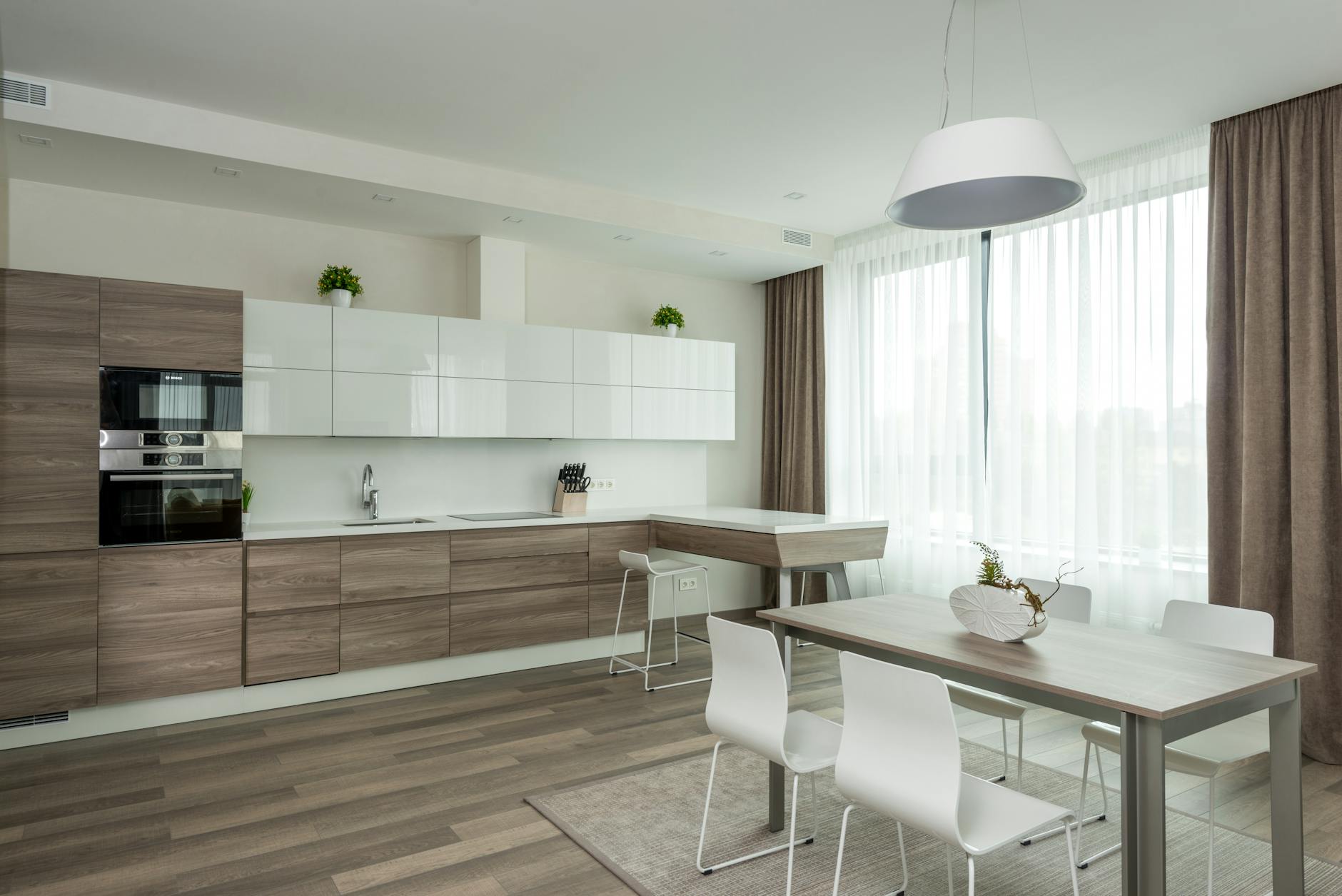
From Zen Temple to Beverly Hills
The journey of Japanese minimalism into American luxury markets began in the 1990s when architects like Tadao Ando and designers like Naoto Fukasawa gained international recognition. Their work emphasized natural materials, clean lines, and the deliberate use of empty space as a design element.
Marie Kondo’s “KonMari Method” accelerated mainstream adoption when her Netflix series launched in 2019. Suddenly, the Japanese concept of finding joy through selective ownership became accessible to suburban families. However, the aesthetic principles behind her organizational philosophy – the appreciation of negative space, quality over quantity, natural materials – required significant investment to implement properly.
High-end design firms began offering “Japanese minimalism consultations” that went far beyond decluttering. These services included sourcing authentic materials like shou sugi ban charred wood, installing traditional tatami mat systems, and creating custom storage solutions that hide modern necessities while maintaining visual emptiness.
The trend gained momentum through social media, where influencers showcased pristine minimalist spaces. However, achieving these Instagram-worthy interiors required substantial budgets. A single piece of handcrafted Japanese furniture could cost more than an entire room of conventional decor.
The Economics of Emptiness
Creating authentic Japanese minimalist spaces involves significant upfront investment in quality materials and craftsmanship. Natural hardwoods, stone surfaces, and handmade ceramics command premium prices compared to mass-produced alternatives.
Interior designers specializing in this aesthetic report that clients typically invest more in fewer pieces. A single dining table made from reclaimed Japanese cedar might cost what clients previously spent on an entire dining set. The philosophy demands investing in items built to last generations, which translates to higher initial costs.
Custom storage solutions represent another major expense. True Japanese minimalism requires hiding modern necessities – electronics, cleaning supplies, seasonal items – behind seamlessly integrated panels and built-ins. These hidden storage systems often require extensive carpentry work and precise planning.
The trend has also created demand for specialized consultants who help clients determine what items truly deserve space in their homes. These “minimalism coaches” charge hourly rates comparable to therapists, guiding clients through the psychological process of releasing possessions while maintaining functional living spaces.
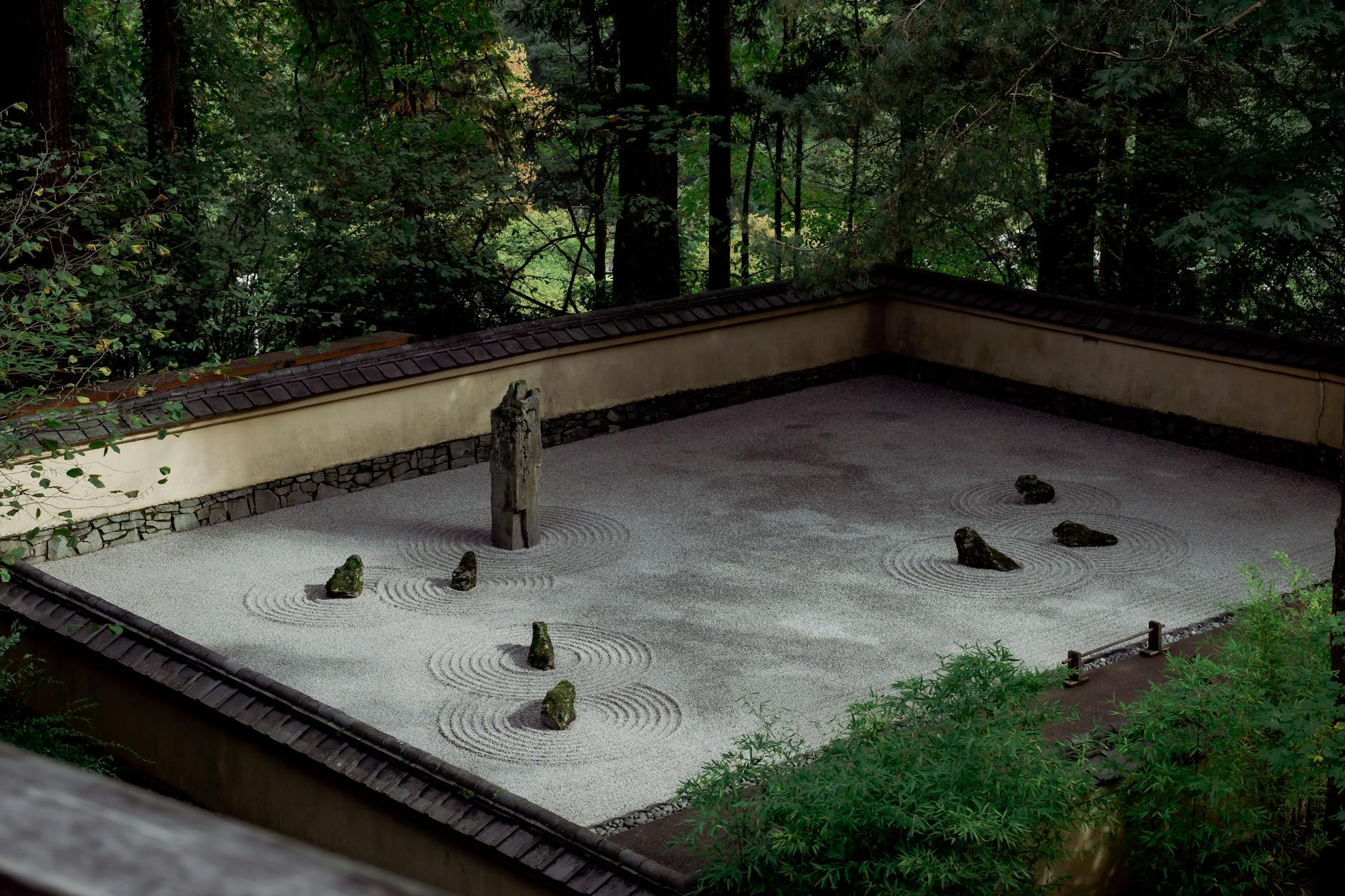
The Wellness Connection
Japanese minimalism’s popularity intersects with America’s growing wellness industry. Clients increasingly view their living spaces as extensions of their mental health practices, similar to how Korean skincare routines became meditation practice for American women.
Design firms now market minimalist renovations as investments in psychological well-being. They emphasize how uncluttered spaces reduce cortisol levels and improve sleep quality. This wellness angle justifies higher design fees and positions minimalism as preventive healthcare rather than mere aesthetic preference.
The trend has also influenced luxury real estate. Properties featuring authentic Japanese design elements – think soaking tubs carved from single pieces of stone, sliding shoji screens, or meditation gardens – command premium prices. Real estate agents report that buyers specifically seek homes with “zen-like qualities” and are willing to pay for the promise of built-in tranquility.
Luxury hotels have capitalized on this demand, creating minimalist suites inspired by Japanese ryokans. These spaces, featuring platform beds, natural materials, and carefully curated emptiness, often charge higher rates than more ornately decorated accommodations.
The Authenticity Challenge
As Japanese minimalism became commercialized, questions of authenticity emerged. Traditional Japanese design philosophy emphasizes impermanence and natural aging, concepts that conflict with American expectations of pristine, Instagram-ready spaces.
Authentic implementation requires understanding cultural context beyond aesthetic elements. The Japanese concept of “wabi-sabi” – finding beauty in imperfection and impermanence – challenges American desires for permanent perfection. True minimalism might include deliberately weathered wood or asymmetrical arrangements that appear “unfinished” to Western eyes.
Some design firms have addressed this by partnering with Japanese artisans or requiring designers to study traditional techniques. Others focus on adapting core principles – appreciation of natural materials, respect for negative space, intentional simplicity – to American lifestyles and building codes.
The expense of achieving authenticity has created a secondary market of “Japanese-inspired” products that capture the aesthetic without the cultural depth or premium materials. This has led to a bifurcated market where truly high-end minimalist design commands luxury prices while mass-market versions offer the look at accessible price points.
The future of Japanese minimalism in American design likely depends on its evolution beyond pure aesthetics. As sustainability concerns grow and remote work changes how people use their homes, the principles of intentional simplicity and quality over quantity may prove more than trendy. The movement’s emphasis on mindful consumption and appreciation for craftsmanship aligns with broader cultural shifts toward conscious living.
However, the trend’s commercial success has also created pressures that may dilute its core philosophy. As minimalism becomes more mainstream and accessible, maintaining the premium positioning that currently defines the high-end market will require continued innovation and authentic cultural understanding.
The irony remains that achieving true minimalism – both aesthetically and philosophically – has become one of America’s most expensive design pursuits. Whether this contradiction ultimately strengthens or undermines the movement will determine minimalism’s lasting impact on American interior design culture.
Frequently Asked Questions
Why is Japanese minimalist design so expensive?
Authentic Japanese minimalism requires premium natural materials, custom craftsmanship, and specialized hidden storage systems that cost more than conventional furnishings.
What makes Japanese minimalism different from regular minimalism?
Japanese minimalism emphasizes cultural concepts like “ma” (meaningful emptiness) and “wabi-sabi” (beauty in imperfection), requiring authentic materials and traditional techniques.