




The five-minute music video is dead, killed by thirty seconds of vertical content and an algorithm that rewards constant engagement over cinematic storytelling. What took MTV three decades to establish, Instagram Reels dismantled in just three years.
When Dua Lipa’s “Levitating” became one of the most-streamed songs of 2021, it wasn’t because of its official music video. Instead, millions of users created their own fifteen-second dance routines to the track, generating more collective views than any traditional video ever could. This shift represents more than just changing consumption habits – it signals the complete transformation of how music connects with audiences in the digital age.
The Economics of Attention Spans
Traditional music videos cost anywhere from $50,000 to several million dollars to produce, requiring directors, crews, locations, and weeks of post-production. Labels justified these expenses because videos drove album sales and established artist brands. But Reels changed the mathematics entirely.
Today’s most successful music marketing campaigns rely on user-generated content that costs nothing to create. When Olivia Rodrigo’s “Good 4 U” exploded on TikTok and Instagram Reels, it wasn’t through a carefully crafted narrative video. Instead, teenagers filming themselves lip-syncing in their bedrooms generated billions of views, each clip serving as a micro-commercial for the song.
The numbers tell the story. Traditional music videos on YouTube average 3-4 minutes in length, but retention rates drop significantly after the first minute. Reels, capped at 90 seconds but typically much shorter, maintain viewer attention throughout their entire duration. This complete engagement proves more valuable to both platforms and artists than partially-watched longer content.
Record labels now allocate budgets differently. Instead of spending $500,000 on a single video, they might invest $100,000 in creating multiple Reels-friendly content pieces, paying influencers to create original content, and developing interactive campaigns that encourage user participation.
The Death of Music Video Directors
Directors who built careers crafting visual narratives for songs face an existential crisis. The skills that made someone successful in traditional music videos – storytelling, cinematography, complex choreography – matter less in a format that prioritizes quick cuts, trending effects, and immediate visual impact.
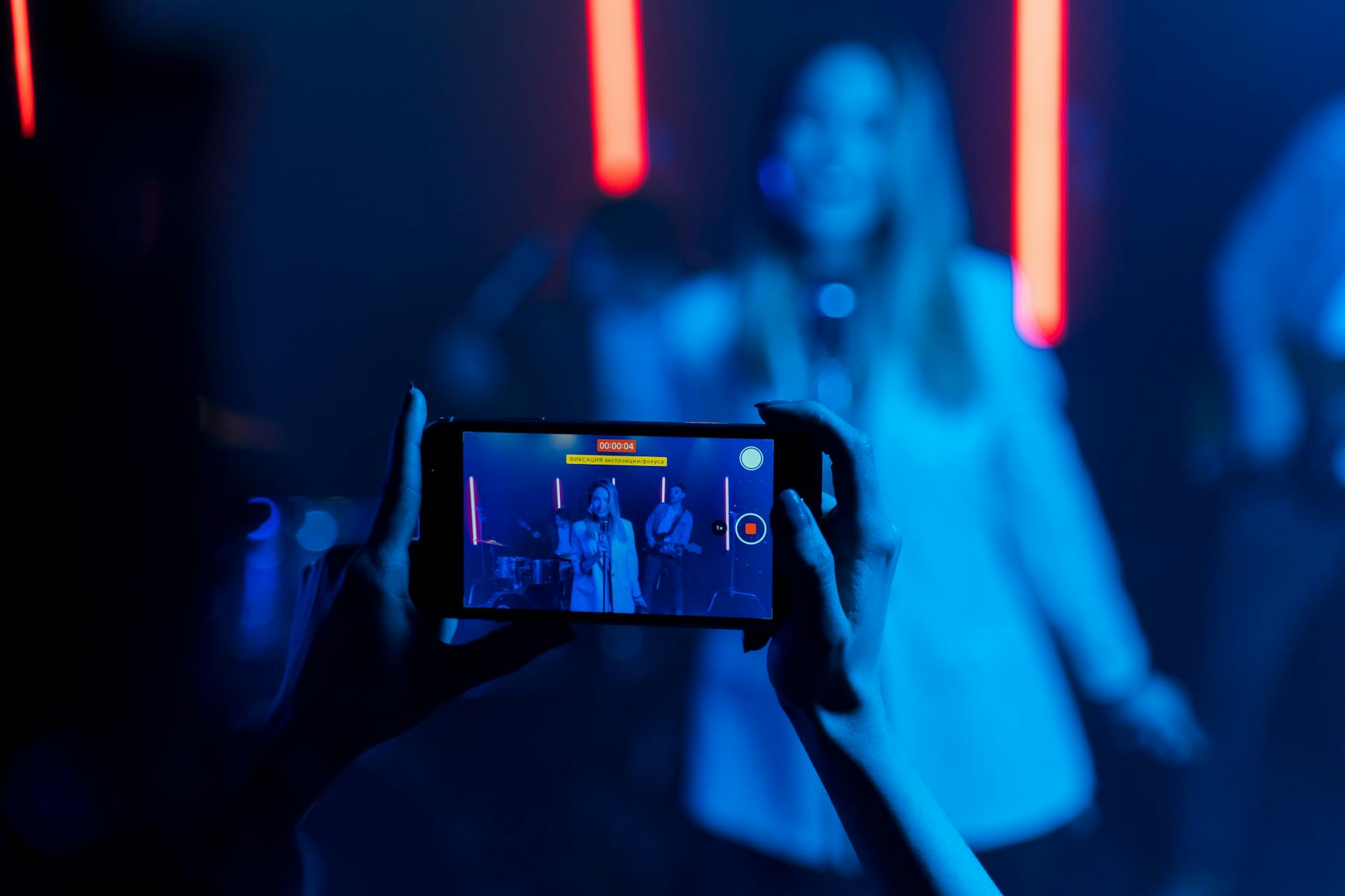
Consider the career trajectory of directors like Michel Gondry or Spike Jonze, who used music videos as launching pads for feature films. Their elaborate, concept-driven videos for artists like Radiohead and Fatboy Slim required weeks of planning and innovative technical solutions. Today’s most influential music content creators are often the artists themselves, filming with smartphones and using Instagram’s built-in editing tools.
The democratization cuts both ways. While established directors lose their gatekeeping power, independent artists can now create compelling visual content without industry connections or substantial budgets. Bedroom pop artists routinely generate millions of views with aesthetic Reels shot in their apartments, something impossible in the traditional music video ecosystem.

Production companies that once specialized in music videos have pivoted to social media content creation, helping established artists adapt to vertical video formats. But the fundamental creative process has shifted from pre-planned artistic vision to reactive trend participation.
Platform Power and Algorithm Loyalty
Instagram’s algorithm rewards engagement metrics that traditional music videos simply cannot achieve. A Reel with 100,000 views where users watch the entire clip and immediately create their own version carries more platform weight than a music video with 10 million views where viewers click away after thirty seconds.
This algorithmic preference fundamentally changed how artists approach visual content creation. Rather than creating one definitive visual representation of a song, successful artists now release multiple Reels showcasing different aspects – behind-the-scenes footage, dance challenges, outfit changes, and fan reactions. Each piece feeds the algorithm while building a comprehensive visual ecosystem around the track.
The platform’s features actively discourage longer-form content. Instagram’s interface makes sharing thirty-second clips seamless while embedding YouTube videos requires additional steps. Users scroll through dozens of Reels in the time it would take to watch one traditional music video, and the platform’s recommendation system prioritizes this rapid consumption pattern.
Artists increasingly create songs with Reels in mind. Tracks feature hook-heavy sections designed for looping, obvious visual cues for dance challenges, and lyrics that work well as captions. This reverse-engineering process puts platform requirements before artistic expression, fundamentally altering how music gets created.
The shift mirrors broader changes in how platforms shape content creation, similar to how Spotify Wrapped transforms how we think about our annual music consumption. Platform features don’t just display content – they actively reshape what gets created.
The New Visual Language of Music
Reels established a completely different visual vocabulary for music promotion. Traditional music videos relied on narrative structure, character development, and resolution. Reels operate on immediate visual impact, trend participation, and memetic potential.
The most successful music Reels use Instagram’s native effects, trending audio clips, and current visual memes rather than original cinematography. Artists who master this language see massive engagement, while those attempting to simply recut traditional videos for vertical viewing often struggle to find audiences.
This new language extends beyond just the visual elements. Successful Reels require understanding platform-specific timing, trending hashtags, and the current meme ecosystem. Artists now employ social media managers who specialize in platform culture rather than traditional marketing professionals who understand radio promotion and press relations.
The change represents more than just format adaptation – it’s a fundamental shift in how musical culture gets created and shared. Rather than consuming finished artistic products, audiences now participate in ongoing creative processes, adding their own interpretations and variations to songs through user-generated content.
The traditional music video format isn’t just dead – it’s been replaced by something entirely different that prioritizes participation over consumption, micro-moments over narratives, and algorithmic optimization over artistic vision. As streaming platforms continue evolving their video features and new social platforms emerge, the visual language of music will likely fragment even further from its television-era origins.
Artists who understand this shift thrive in the current landscape, while those clinging to traditional approaches increasingly find themselves creating content for an audience that has moved on to shorter, more interactive, and more personally engaging formats.
Frequently Asked Questions
How did Instagram Reels change music video production costs?
Reels shifted budgets from expensive single videos to multiple low-cost content pieces and influencer partnerships, dramatically reducing per-piece production costs.
Do traditional music videos still matter for artists?
Traditional music videos have much less impact now, as Reels generate higher engagement rates and better algorithm performance on major platforms.