




Libraries across America are undergoing their biggest transformation since the internet age, and it’s not artificial intelligence or digital resources driving the change. It’s teenagers on TikTok obsessing over fantasy romance novels.
The BookTok phenomenon has created an unprecedented surge in young adult library usage, forcing librarians nationwide to rethink everything from furniture layouts to collection strategies. Libraries that once struggled to attract visitors under 30 are now scrambling to accommodate crowds of Gen Z readers seeking cozy reading nooks and Instagram-worthy book displays.
“We’ve had to completely reimagine our teen and young adult spaces,” says Maria Santos, head librarian at the Austin Public Library’s Central branch. “Three years ago, those sections were practically empty. Now we have waiting lists for our reading chairs and had to triple our fantasy romance collection.”
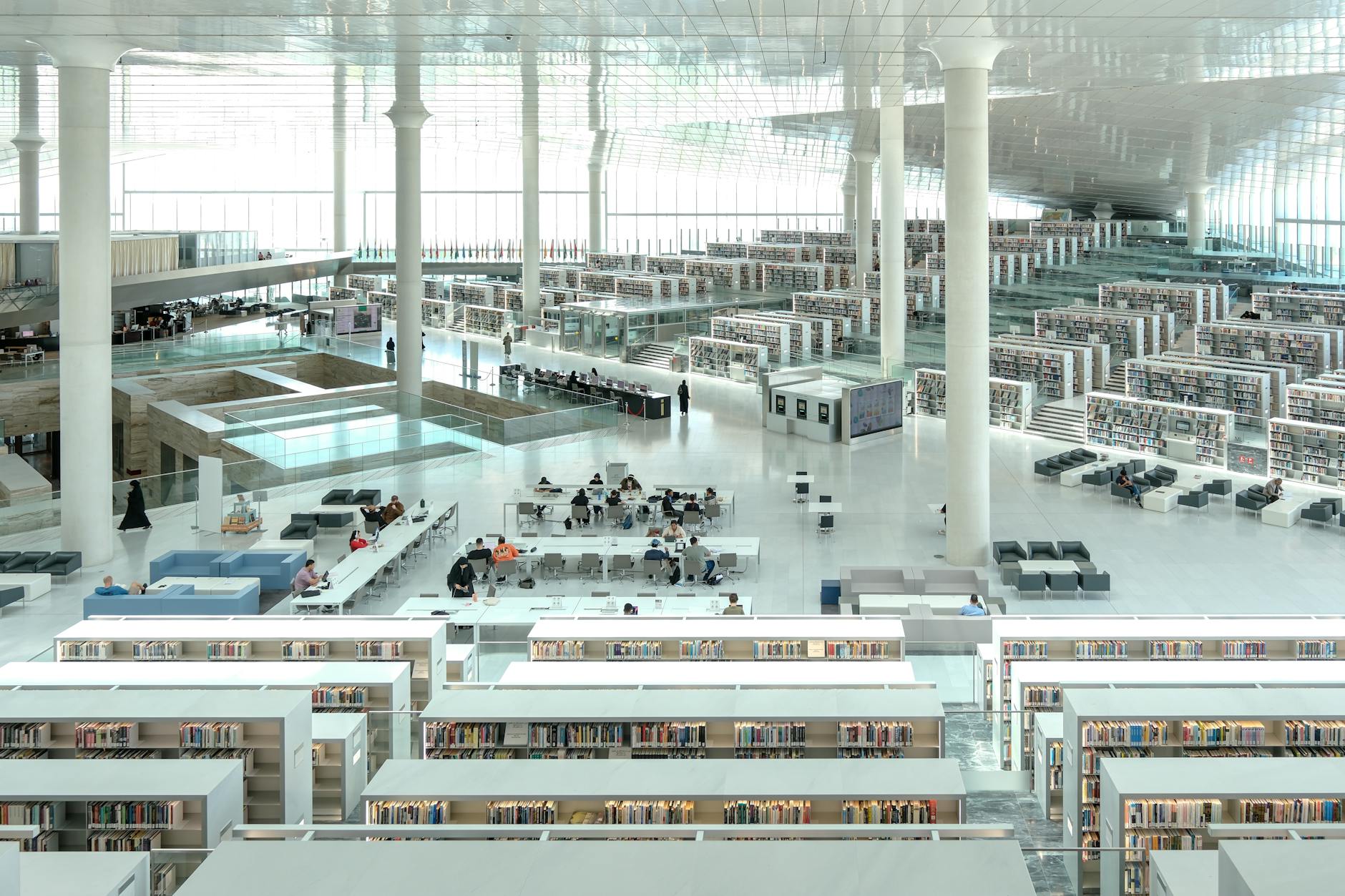
Creating BookTok-Worthy Spaces
The visual nature of BookTok has pushed libraries to prioritize aesthetics alongside functionality. Traditional fluorescent-lit study areas are being replaced with warm lighting, comfortable seating clusters, and carefully curated book displays that photograph well for social media.
The Seattle Public Library system recently completed a renovation that includes dedicated “aesthetic reading spaces” with plants, soft lighting, and colorful furniture specifically chosen to complement popular BookTok color schemes. The renovation cost $2.3 million and was partly funded by increased city budget allocations after demonstrating rising youth engagement numbers.
Similar transformations are happening nationwide. The Chicago Public Library has installed over 200 new reading nooks across its branches, featuring velvet chairs, fairy lights, and built-in phone holders for readers who want to film BookTok reviews. The Denver Public Library created “cozy corners” with throw pillows and faux fur blankets after noticing young patrons bringing their own comfort items.
“We realized we weren’t just competing with other libraries anymore,” explains Jennifer Walsh, Denver’s youth services coordinator. “We’re competing with the aesthetic appeal of reading at home or in coffee shops that these creators showcase online.”
Collection Strategy Overhauls
BookTok’s influence extends far beyond interior design. Libraries are fundamentally changing how they select and organize books, moving away from traditional Dewey Decimal arrangements toward trend-based displays and genre-focused sections.
The phenomenon has created massive demand spikes for specific titles and authors. When Colleen Hoover’s novels exploded on BookTok, library systems nationwide found themselves with hundred-person waiting lists for books that had previously sat untouched on shelves. The Harris County Public Library in Texas now maintains a dedicated BookTok collection with multiple copies of trending titles, rotating displays, and QR codes linking to popular TikTok reviews.
This shift mirrors broader cultural changes in how young people discover and engage with content, similar to how Korean skincare routines have transformed corporate wellness programs through social media influence.
Libraries are also investing heavily in diverse voices and previously underrepresented genres. Young adult fantasy, romance, and books by authors of color have seen unprecedented circulation increases. The Los Angeles Public Library expanded its YA fantasy section by 300% and created multilingual BookTok displays featuring translated works that have gained international TikTok attention.
“BookTok has democratized literary taste-making,” notes Dr. Sarah Kim, a library science professor at Syracuse University. “Librarians are learning from teenage TikTok creators about what resonates with young readers, rather than relying solely on professional reviews or literary awards.”
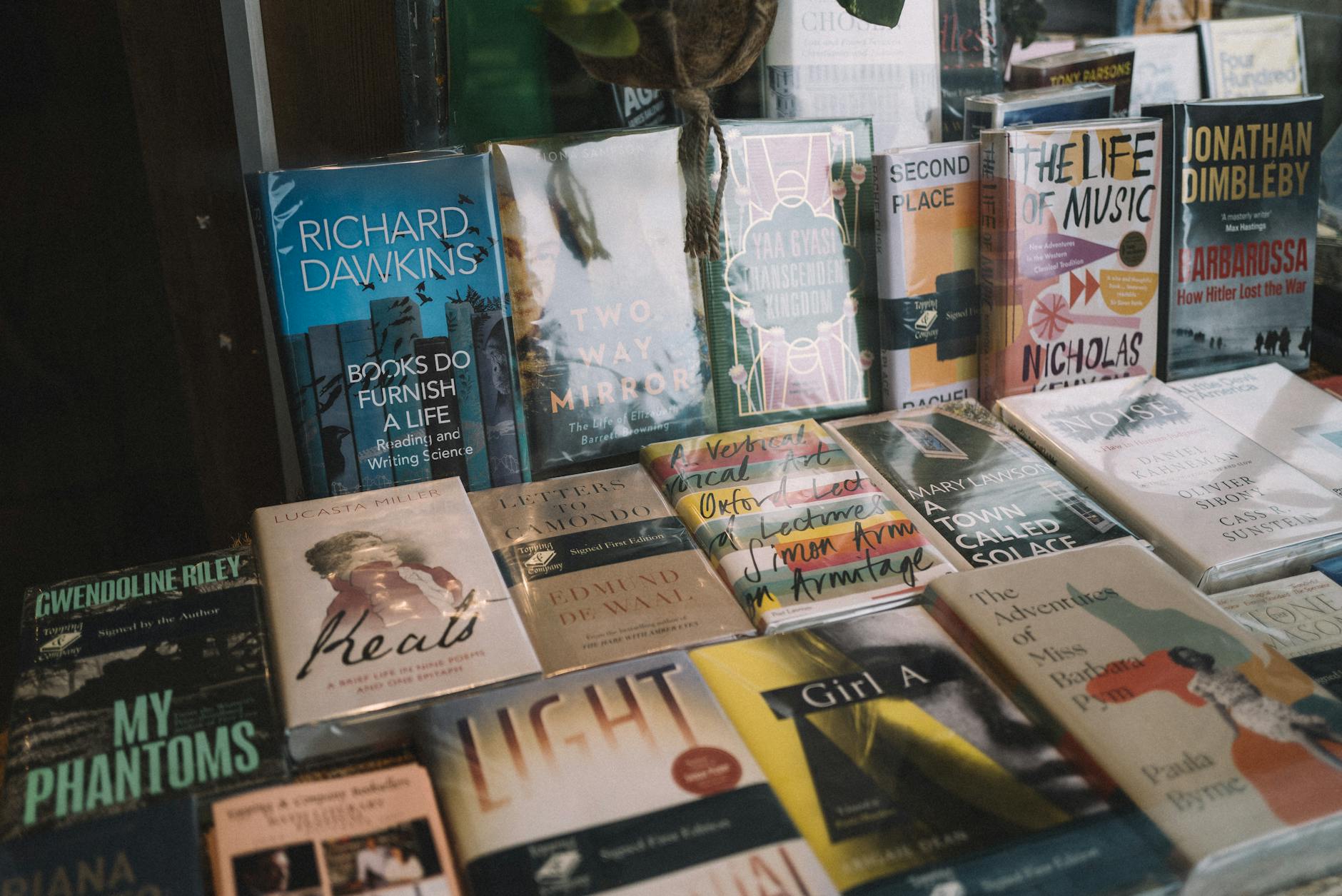
Technology Integration and Community Building
The renovation wave includes significant technology upgrades designed to support the social media aspects of BookTok culture. Libraries are installing charging stations, improving WiFi infrastructure, and creating designated spaces for content creation.
The Brooklyn Public Library’s newest branch features a “Creator Corner” with professional lighting, neutral backgrounds, and acoustic panels designed for filming book reviews. Users can reserve 30-minute slots to record content, and the library provides phone tripods and ring lights. The space is booked solid weeks in advance.
Many libraries are also hosting BookTok-inspired events and book clubs. The Phoenix Public Library runs monthly “BookTok Favorites” discussions where participants recreate popular TikTok challenges and share their own reviews. These events regularly draw 50-100 attendees, compared to traditional book clubs that typically attracted 8-12 participants.
Some systems are partnering directly with local BookTok creators. The Miami-Dade Public Library collaborates with regional TikTok influencers for collection recommendations and hosts quarterly “BookTok Creator Meetups” that have become major community events.
The renovation efforts extend beyond teen spaces. Libraries are discovering that BookTok’s influence reaches into adult collections as well, particularly for genres like historical fiction and contemporary romance that have gained popularity through the platform. Adult reading areas are being redesigned with more comfortable seating and better lighting to accommodate the longer reading sessions that BookTok enthusiasm tends to inspire.
Measuring Success and Looking Forward
The results of these renovations are measurable and dramatic. The American Library Association reports that libraries investing in BookTok-inspired renovations have seen average increases of 45% in young adult circulation and 30% in overall youth programming attendance.
The Portland Public Library, which completed its renovation in early 2023, saw youth library card registrations increase by 67% in the following year. More significantly, these new cardholders are active users, checking out an average of 2.3 books per month compared to the previous average of 0.8 books among young adult patrons.
“It’s not just about the numbers,” explains Portland’s youth services manager, David Chen. “We’re seeing genuine reading engagement and community building that extends far beyond social media trends.”

The long-term impact extends beyond individual libraries to the profession itself. Library science programs are adding social media literacy and aesthetic design courses to their curricula. The renovation trend has attracted new funding sources, including grants from technology companies and partnerships with furniture manufacturers who want to showcase their products in these photogenic spaces.
As BookTok continues evolving, libraries are preparing for the next wave of changes. Several systems are experimenting with audiobook listening stations, collaborative reading spaces, and even partnerships with local cafes to create hybrid library-social spaces that reflect the community-oriented culture of successful BookTok creators.
The transformation represents more than aesthetic updates or collection changes. It signals a fundamental shift in how libraries position themselves as community spaces for the digital generation, proving that physical spaces remain vital even as reading culture increasingly lives online.
Frequently Asked Questions
How is BookTok changing library design?
Libraries are creating Instagram-worthy reading spaces with cozy seating, warm lighting, and aesthetic displays that photograph well for social media.
What books are libraries adding because of BookTok?
Libraries are expanding young adult fantasy, romance, and diverse author collections, with multiple copies of trending titles like Colleen Hoover novels.