




The Aesthetic That Algorithms Couldn’t Bury
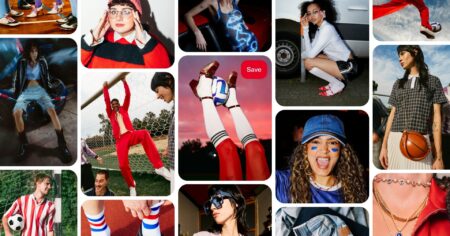
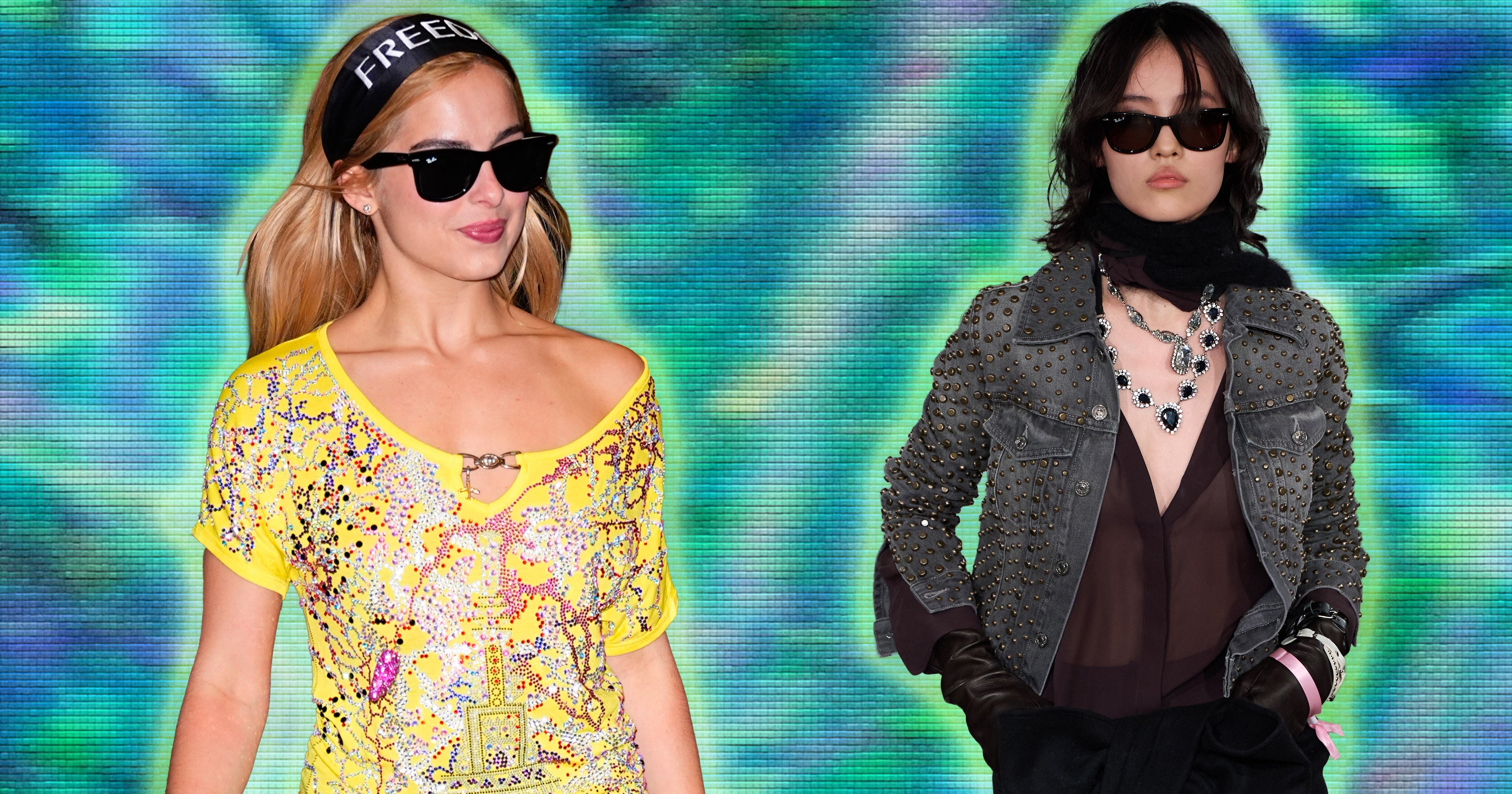
Something shifted recently – not loudly, but in the way things online tend to move when they’re real: slowly, then all at once. Crystal Castles songs are trending again. Fishnet tights are back in rotation. Flash photography with blown-out highlights is flooding feeds that, not long ago, were dominated by clean-girl minimalism and mob wife maximalism. The Tumblr girl aesthetic has resurfaced, and this time it doesn’t feel like a trend cycle doing its predictable lap. It feels like a correction.
For anyone who was paying attention around 2014, the references are unmistakable – Brandy Melville basics, skinny scarves, smudged eyeliner, and a general atmosphere of studied melancholy. The mood boards are back. So are the Arctic Monkeys lyrics treated like personal manifestos. Whether you were born early enough to watch Tumblr happen in real time or you’re encountering it now through a secondhand filter, the aesthetic reads less like a costume and more like a philosophy that a generation quietly never abandoned.
What Tumblr Actually Was – Before the Nostalgia Cleaned It Up
It’s worth being specific about what the Tumblr era meant, because memory has a way of flattening things into highlight reels. In 2014, Tumblr operated as a genuine cultural zeitgeist for a particular kind of moody, image-obsessed teenager. Grainy photos of Sky Ferreira. GIFs from Skins – specifically Effy Stonem, specifically looking destroyed and gorgeous. American Apparel ads shot like they were already vintage. Lana Del Rey providing the sonic background for aesthetics that were still figuring out their own names. These weren’t mood boards in the polished, Pinterest-categorized sense. They were identity documents.
What distinguished Tumblr from the social media that followed it was a near-total absence of optimization pressure. Posts weren’t ranked by engagement metrics the way they are now. There was no algorithm demanding you post consistently, perform happiness, or package yourself for maximum reach. You reblogged what you loved, and what you loved said everything about you. That freedom – accidental as it was – created a space where melancholy wasn’t a liability. It was the entire point.
The cultural inputs feeding that era were specific and traceable. Skins aired its most culturally saturated seasons in the early 2010s. Sky Ferreira’s Night Time, My Time came out in 2013. Crystal Castles released III that same year. These weren’t random references – they were the actual architecture of a sensibility. A generation of girls built their aesthetic taste around them, and those foundations don’t just disappear because the platform stopped being relevant.
The chokers, the flash photography, the general posture of detached coolness – underneath all of it was something that rarely got named directly: a generation deeply invested in melancholy as a mode of being. Not depression as a crisis, but sadness as texture. As something to sit with, soundtrack, and photograph. Clean-girl aesthetics, which dominated the early 2020s, operated on the opposite principle – control, brightness, expensive-looking simplicity. The exhaustion with that standard has been building for a while.
Nostalgia as a Psychological Exit Ramp
In 2017, Wired covered research from Southampton University researcher Tim Wildschut, who explained that nostalgia gives people a “sense of social connectedness,” particularly during periods of loneliness and uncertainty. That framing was written seven years before the current revival, and it maps precisely onto what’s happening now.
Nostalgia stopped being just an aesthetic category. It became a coping mechanism – specifically a coping mechanism for the exhaustion of algorithmic performance. The pressure to appear polished, productive, and aspirational online has compounded year over year since Tumblr’s peak. What the Tumblr revival offers is something structurally opposite to that pressure: a visual and emotional language that never promised perfection, never pretended the goal was optimization, and treated a blurry photo of your bedroom at 2am as something worth sharing for its own sake. That’s not nostalgia for a platform. It’s nostalgia for a different relationship with the internet itself.
Why This Cycle Feels Different From Clean Girl or Quiet Luxury
Trend cycles in the social media era have a recognizable shape: a look emerges, gets named, gets saturated, and dies within 18 months. Clean girl peaked and then became a parody of itself. Quiet luxury burned through its moment. Mob wife had maybe a single strong season before it calcified into Halloween costume territory. The Tumblr revival doesn’t quite behave the same way, because it isn’t arriving as a new trend – it’s arriving as a memory that large numbers of people already have a personal relationship with.
There’s a meaningful difference between adopting an aesthetic because it’s circulating and returning to one you actually lived in. For people born in the late ’90s – 1999, specifically, sits right at the edge of having experienced this in real time – the Tumblr era was formative in ways that go beyond style. It was the first place many of them encountered certain music, certain films, certain ideas about what it meant to be young and slightly despairing and interested in things that weren’t mainstream. You don’t forget that. You just sometimes let it sit in the back of a drawer for a decade.
The internal logic of the revival also connects to something Gen Z has been doing with music – returning to physical, imperfect, analog formats not out of ignorance of better options, but out of preference for the texture that imperfection provides. A scratched CD and a blurry flash photo operate on the same emotional register. The Tumblr aesthetic was always about the grain, the smear, the slight wrongness of the image. That quality is almost impossible to fake convincingly, which may be exactly why it keeps coming back.
Crystal Castles trending isn’t a data point about music discovery. It’s a signal about emotional appetite – specifically, an appetite for something that sounds like being 15 and staying up too late and not yet knowing how to be anything other than exactly what you are. Whether that appetite leads somewhere new or just completes another loop is the question the next 18 months will answer.