





The conference room buzzed with the familiar sound of sticky notes being pressed against whiteboards. Twenty-three marketing professionals sat cross-legged on yoga mats, armed with colored markers and boundless optimism. Their mission: create a “vision board” for Q3 goals. What they actually accomplished: three hours of elaborate procrastination wrapped in corporate wellness packaging.
Vision board workshops have infiltrated office spaces across America faster than standing desks and kombucha on tap. Companies shell out thousands for facilitators who guide employees through magazine cutouts and motivational quotes, promising clarity and purpose. The reality? Most participants leave with glitter under their fingernails and zero actionable plans.
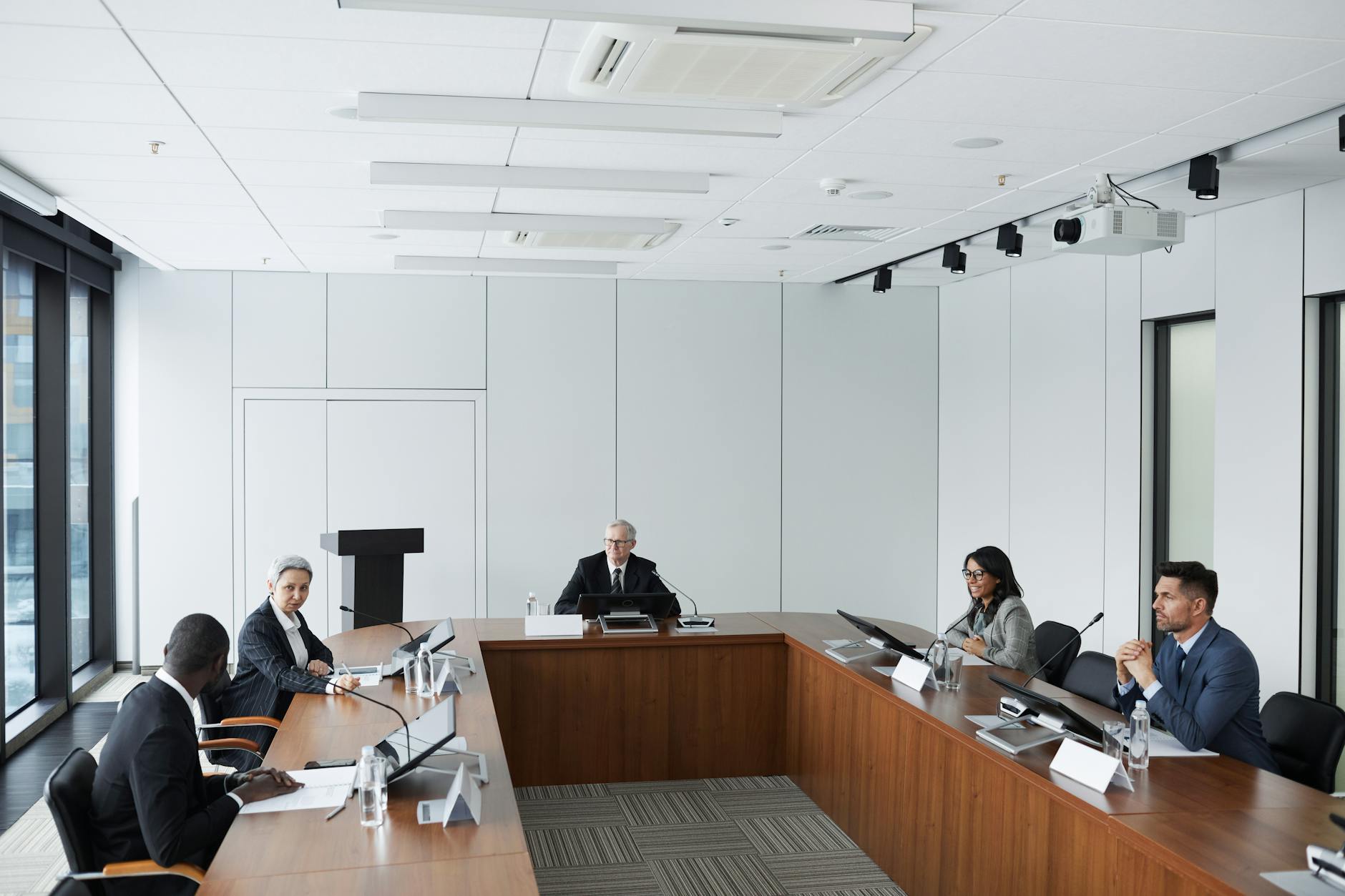
The Art of Productive Avoidance
Vision boards tap into our collective desire to feel productive without actually producing anything measurable. Sarah Chen, a project manager at a tech startup in Austin, describes her recent workshop experience: “We spent two hours cutting out images of mountains and sunset beaches. My actual quarterly goals involved database migration and user testing protocols. Somehow my vision board featured a woman doing yoga on a cliff.”
The workshop format follows a predictable pattern. Teams gather in a “creative space” – usually the break room with inspirational posters hastily taped to walls. A facilitator, often someone with “mindfulness” or “transformation” in their LinkedIn headline, guides participants through “intention setting” exercises. Employees dutifully paste magazine clippings onto poster board while discussing “authentic alignment” and “manifesting outcomes.”
Meanwhile, actual quarterly planning documents remain untouched in shared drives. Deadlines approach. Budgets demand allocation. Strategic decisions await approval. But the vision board workshop provides a sanctioned escape from these concrete challenges, offering the illusion of forward movement without requiring difficult decisions or resource allocation.
When Inspiration Becomes Procrastination
Corporate vision boards represent a fundamental misunderstanding of how professional goals actually function. Traditional goal-setting involves specific metrics, timelines, and accountability structures. Vision boards substitute emotional imagery for analytical thinking, encouraging participants to “feel” their way toward success rather than plan strategically.
Emma Rodriguez, an HR director in Chicago, witnessed this disconnect firsthand during her company’s recent workshop. “One team created a board centered around ‘abundance and flow’ for their customer service department. Their actual challenge was reducing response times from 48 hours to 24 hours. The vision board showed waterfalls and golden retriever puppies. Beautiful, but utterly useless for solving their operational problem.”
The workshop facilitators often compound this issue by discouraging practical questions. When participants ask about budget constraints, resource availability, or timeline conflicts, they’re redirected toward “abundance mindset” thinking. This approach treats legitimate business concerns as limiting beliefs rather than essential planning parameters.
Research from productivity consultants increasingly shows that visualization without concrete action planning leads to decreased motivation, not increased results. The brain, satisfied by the emotional experience of imagining success, reduces its drive to pursue actual achievement. Vision board workshops exploit this neurological quirk, providing feel-good experiences that actively undermine productive planning.

The Real Cost of Craft Time
Beyond the obvious expense of facilitator fees and craft supplies, vision board workshops carry hidden costs that few organizations calculate. The opportunity cost alone staggers when you consider twenty professionals spending three hours on collage creation instead of actual strategic planning. For many companies, this represents thousands of dollars in lost productivity disguised as team building.
More damaging than the time investment is the cultural message these workshops send. When leadership prioritizes vision boards over concrete planning sessions, they signal that emotional expression matters more than analytical rigor. This messaging particularly impacts teams handling complex technical challenges or tight deadlines, where feelings-based approaches provide little practical value.
The trend mirrors other workplace wellness initiatives that prioritize perception over performance. Just as corporate book clubs often become performance reviews disguised as literature, vision board workshops transform legitimate planning processes into therapeutic experiences that serve management’s desire to appear innovative rather than employees’ need for clear direction.
Jason Park, a software development manager in Seattle, experienced this mismatch during his team’s mandatory workshop. “We’re debugging a critical authentication system with a two-week deadline. The vision board showed images of peaceful gardens and successful mountaineers. What we needed was a risk assessment matrix and resource allocation plan. Instead, we got poster board and glue sticks.”
Alternative Approaches That Actually Work
Effective quarterly planning requires structured processes that address real constraints and measurable outcomes. Successful teams use frameworks like OKRs (Objectives and Key Results), SMART goals, or agile planning methodologies. These approaches force participants to confront resource limitations, timeline realities, and success metrics – precisely the elements vision board workshops actively avoid.
The most productive planning sessions involve detailed project breakdowns, risk analysis, and stakeholder alignment discussions. Teams examine past performance data, identify bottlenecks, and develop contingency plans. This work feels less inspiring than creating motivational collages, but it produces actual results that advance organizational objectives.
Some companies have found success combining tactical planning with limited creative elements. Brief brainstorming sessions using visual tools can spark innovation when followed immediately by concrete action planning. The key difference: using creativity to enhance analytical thinking rather than replace it entirely.
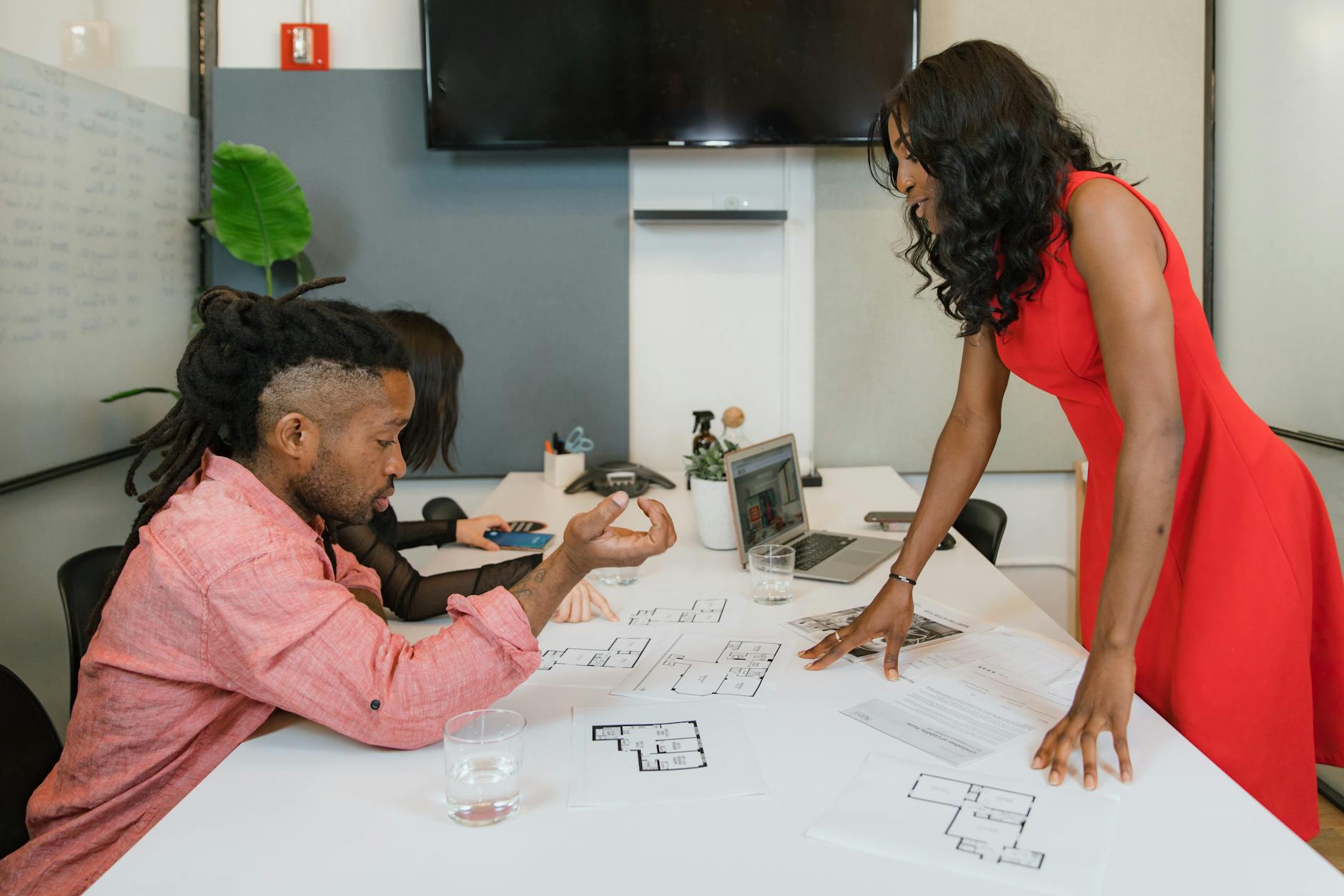
The vision board workshop phenomenon reveals deeper issues about how modern workplaces approach planning and productivity. Companies increasingly substitute emotional experiences for analytical rigor, hoping inspiration will compensate for inadequate strategic thinking. This approach satisfies our desire to feel productive while avoiding the difficult work that actual productivity requires.
As organizations face mounting pressure to demonstrate innovation and employee engagement, expect more elaborate workshops promising transformation through arts and crafts. The companies that thrive will be those that recognize the difference between genuine planning and procrastination with better marketing. They’ll invest their time and resources in frameworks that produce measurable results rather than poster board masterpieces that gather dust in storage closets.
The future belongs to teams that can balance creative thinking with analytical discipline – but that balance requires relegating vision boards to personal development rather than professional planning. Corporate America needs fewer glue sticks and more spreadsheets, fewer inspirational quotes and more actionable timelines. The quarterly goals won’t achieve themselves, no matter how beautifully they’re illustrated on poster board.
Frequently Asked Questions
Are corporate vision board workshops effective for goal setting?
No, research shows visualization without concrete action planning actually decreases motivation and results.
What should companies use instead of vision board workshops?
Structured frameworks like OKRs, SMART goals, and agile planning that address real constraints and measurable outcomes.