




Author: Alma Rivers


The subscription economy promised convenience but created a generation that never owns anything, making consumers dependent on platforms that can change terms anytime.

Instagram’s shopping features have transformed trusted influencers into relentless sales machines, prioritizing profit over authentic content and exploiting follower trust for commercial gain.

Celebrity NFT collections used fame and artificial scarcity to extract millions from fans through sophisticated pyramid-like schemes that exploited parasocial relationships.

Sustainable fashion brands charge premium prices for eco-friendly materials but still rely on exploitative labor practices, failing to address the industry’s core problems.

True crime podcasts have built billion-dollar audiences by turning real murders into entertainment content, exploiting victims’ families for profit while normalizing graphic violence.
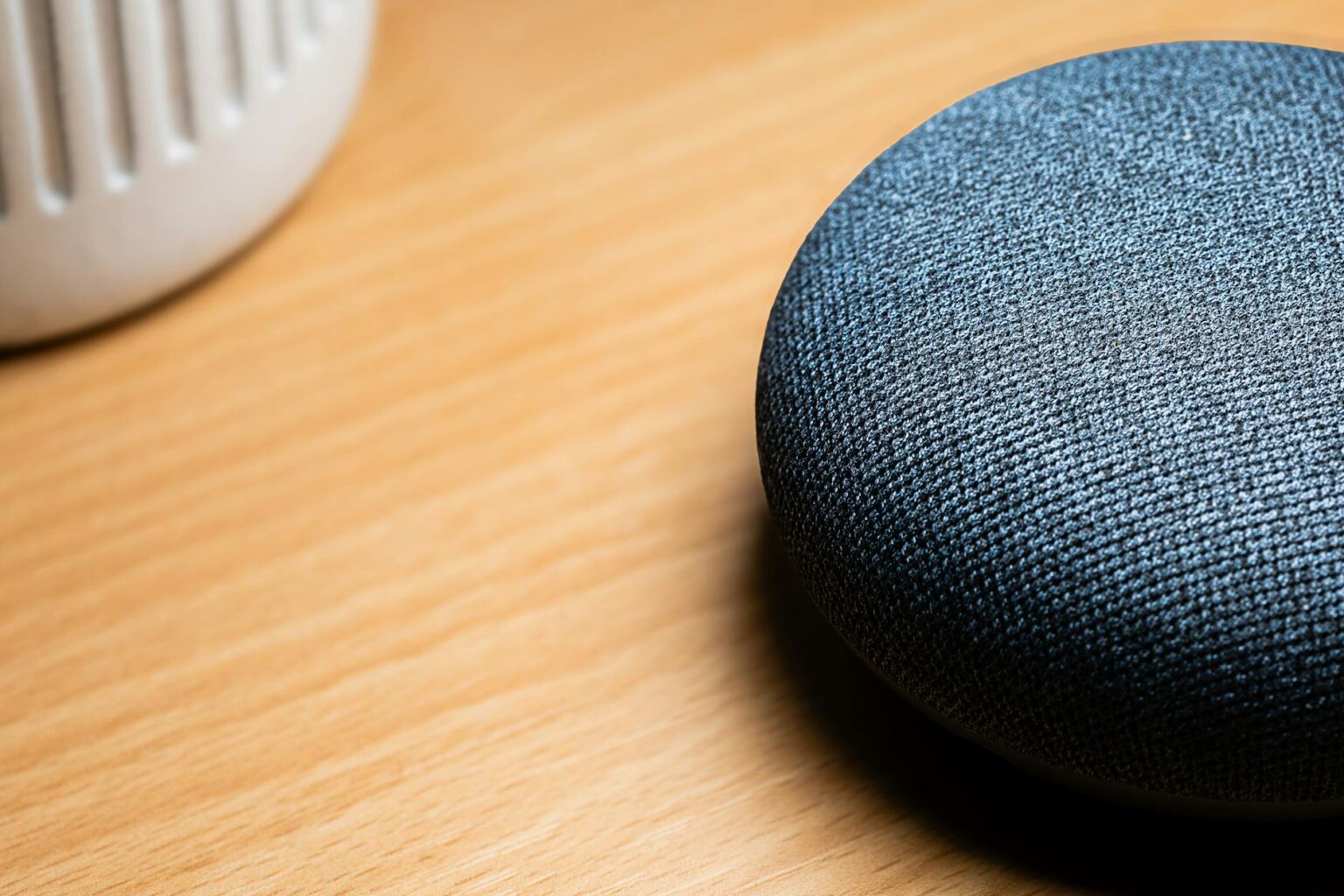
Amazon’s Alexa Skills have quietly trained consumers to accept corporate surveillance as normal, fundamentally changing privacy expectations through convenience.

Book banning attempts have become the most powerful marketing force in publishing, driving sales far beyond what literary awards achieve.

Dating apps profit by keeping users single longer, using addictive design and algorithm manipulation to maximize subscription revenue instead of facilitating genuine connections.

Natural wine markets itself as authentic and accessible, but high prices and exclusive culture create barriers that lock out casual wine drinkers while insiders perform sophistication.

Celebrity social media vulnerability has evolved from genuine sharing into calculated marketing strategy, with stars timing emotional posts around releases and brands monetizing authenticity.